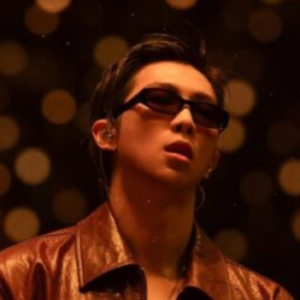
Jungkook has been crowned Most Handsome Man Alive 2026 by Netizens Choice after reportedly receiving more than 31 million votes, defeating fellow stars Zhang Zhehan and Kim Taehyung.
But almost immediately after the result was announced, the massive voting figure became a topic of debate online.
The question isn’t necessarily whether Jungkook is attractive. Instead, fans and critics are questioning what those 31 million votes actually represent.
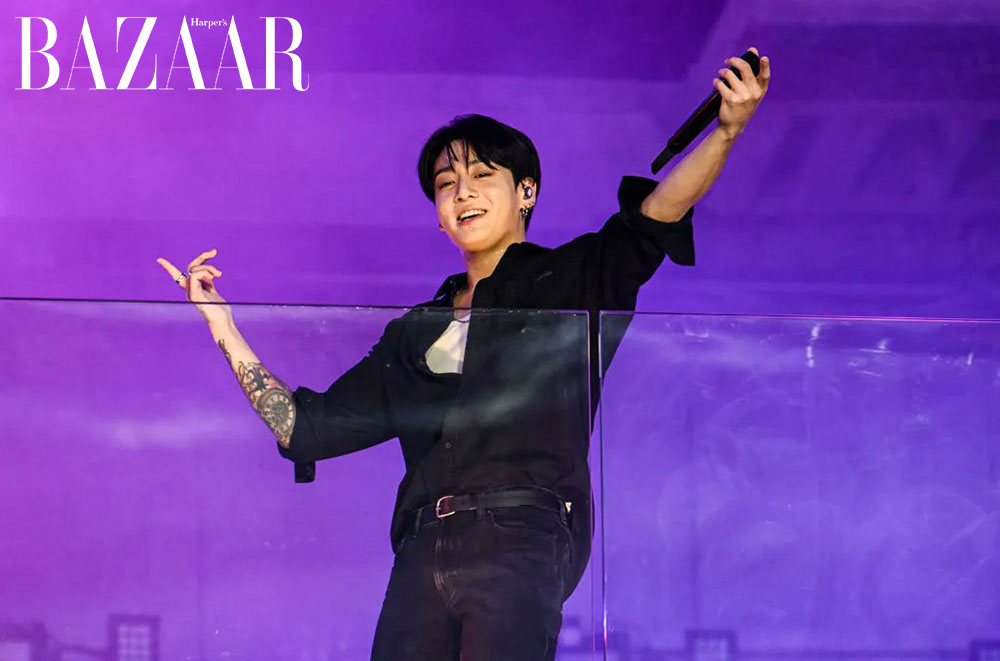
The competition was based on a public fan vote, rather than a professional panel evaluating the nominees’ appearance. That distinction matters because a fan-voted ranking can measure popularity, online engagement and the ability of a fandom to mobilize — as much as it measures the qualities being voted on.
Jungkook’s enormous total therefore highlights the extraordinary strength of his global fanbase.
Supporters can point to the result as another indication of the BTS star’s enormous international popularity. Mobilizing millions of votes is itself a remarkable achievement, particularly in an online competition involving major stars from different countries and entertainment industries.
But critics have raised a different interpretation.
If one fandom can organize and generate tens of millions of votes, does the final ranking necessarily tell us who is objectively the most handsome?
Or does it tell us which celebrity has the most powerful and organized voting base?
That distinction has fueled arguments across social media, especially because Jungkook finished ahead of both Zhang Zhehan and Kim Taehyung, another member of BTS with an enormous international following.

Still, there is an important line between questioning the methodology and accusing someone of cheating.
There is currently no verified evidence that Jungkook’s votes were purchased, fabricated or otherwise manipulated. Calling the result a “fake win” or claiming that his fandom “bought” the title would therefore go beyond what the available evidence establishes.
The more reasonable criticism concerns the nature of fan-voted rankings themselves.
A competition built around votes naturally rewards celebrities whose supporters are willing and able to vote repeatedly or mobilize on a massive scale. That doesn’t necessarily make the result illegitimate — but it does mean the title should not automatically be interpreted as an objective measurement of physical appearance.
For Jungkook’s supporters, however, the debate may ultimately miss the point.
They didn’t need a professional panel to declare him the winner. Millions of people actively chose him.

And that raises the question at the heart of the controversy:
Is the title celebrating Jungkook’s appearance — or demonstrating just how powerful the people who support him can be?