A major legal development has emerged in one of South Korea’s most controversial celebrity disputes of 2026. Kim Se Ui, the head of the YouTube channel Garo Sero Research Institute, has been formally indicted while in custody over allegations that he spread false information about actor Kim Soo Hyun, including claims linking him to the death of late actress Kim Sae Ron.
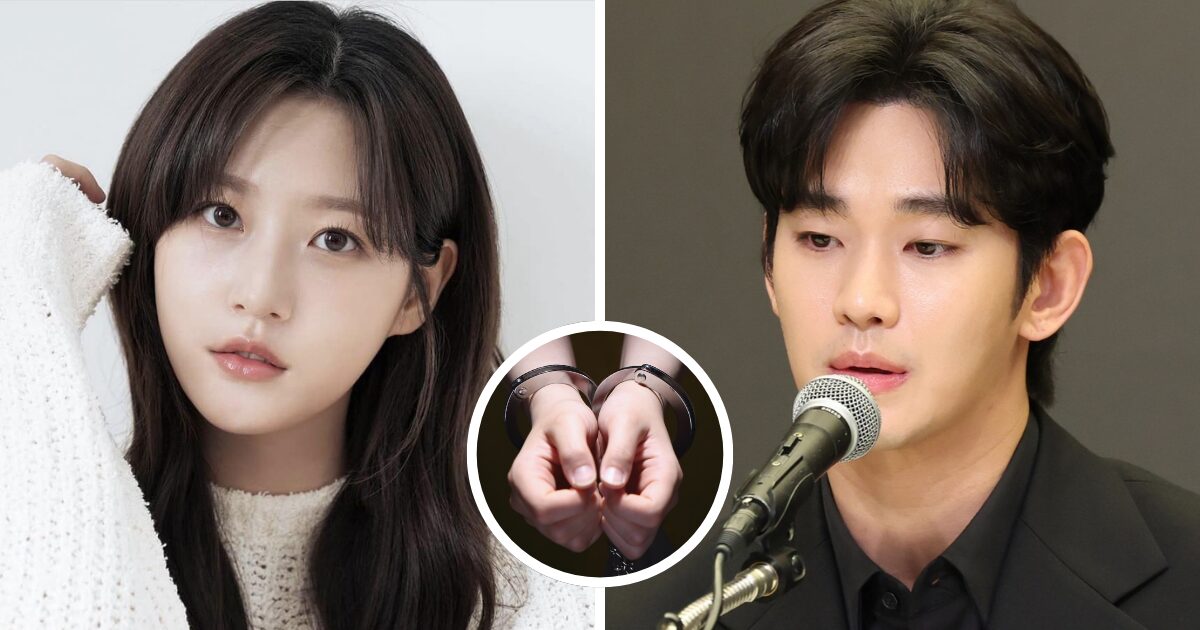
According to prosecutors, Kim Se Ui was indicted on June 23 by the Seoul Central District Prosecutors’ Office on multiple charges, including defamation under South Korea’s Information and Communications Network Act, violations of the Sexual Violence Punishment Act, and violations of the Stalking Punishment Act.
The indictment stems from a series of allegations that Kim Se Ui repeatedly promoted through YouTube broadcasts and other online platforms. Among the most explosive claims were accusations that Kim Soo Hyun had been involved in a relationship with Kim Sae Ron while she was still a minor and that financial pressure connected to debt repayment demands from Kim Soo Hyun’s side had directly contributed to her death.
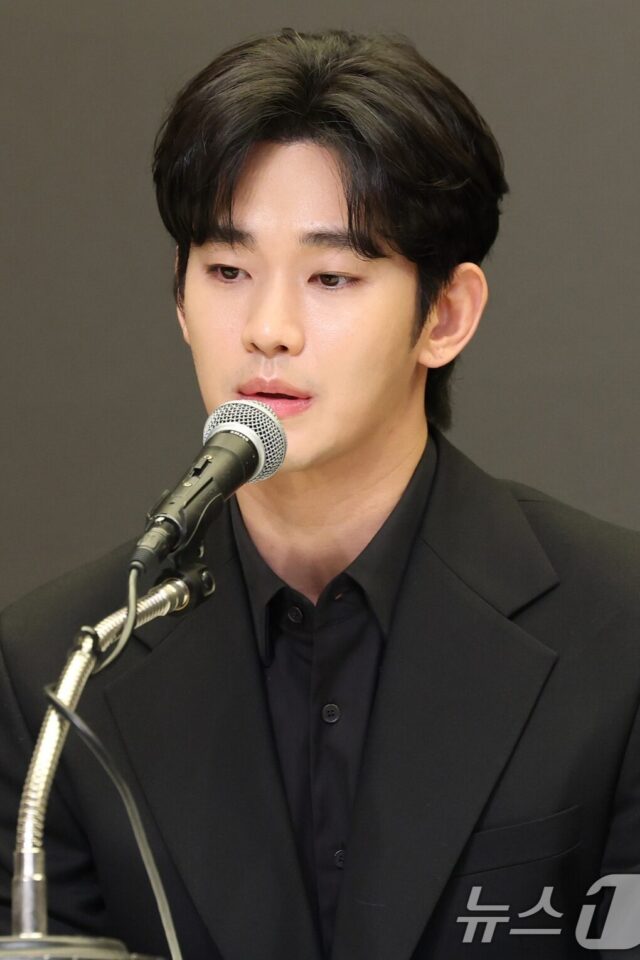
The allegations generated enormous public attention and fueled months of online speculation. However, investigators ultimately concluded that the claims lacked factual support.
Authorities revealed that the Seoul Gangnam Police Station requested an arrest warrant in May after determining that Kim Se Ui had allegedly continued producing and distributing content despite being aware that the information being presented was false.
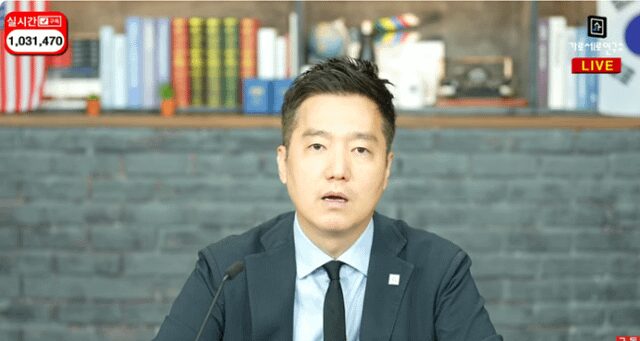
Investigators also accused him of broadcasting private photographs of Kim Soo Hyun without consent and allegedly threatening to release additional personal materials unless the actor issued a public apology.
Kim Se Ui has denied all accusations against him.
Despite those denials, the court approved the arrest warrant, citing concerns that evidence could be destroyed or that the suspect might attempt to evade the investigation. Following the arrest, prosecutors reportedly expanded their inquiry through additional victim interviews, digital forensic examinations, and analysis of audio recordings connected to the case.
According to prosecutors, the investigation found evidence that certain audio materials had been edited in a misleading manner and that information was distributed without sufficient verification. Authorities concluded that some of the content presented to the public created a distorted impression of the facts surrounding Kim Soo Hyun and Kim Sae Ron.
The indictment represents a significant escalation in a case that has become one of the most closely watched celebrity legal battles in South Korea this year.
The timing is particularly notable because it comes just before a major change in South Korean regulations aimed at combating online misinformation. Beginning in July, large YouTube channels with more than 100,000 subscribers that are found to have intentionally spread false information may face substantially increased financial liability.
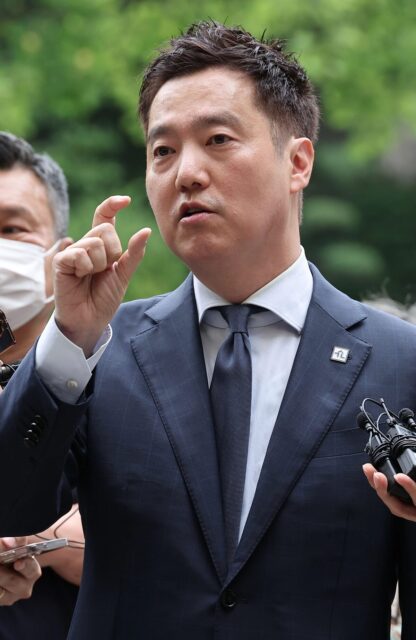
Under the new rules, courts could order creators and channel operators to pay up to five times the amount of damages suffered by victims if deliberate dissemination of false information is proven.
Many legal observers believe the Kim Se Ui case could become an early test of South Korea’s increasingly aggressive approach toward online defamation, misinformation, and privacy violations involving public figures.
For Kim Soo Hyun, the indictment marks a major turning point after months of damaging allegations that circulated widely online. While the criminal proceedings against Kim Se Ui are still ongoing, prosecutors’ decision to indict while keeping him in custody signals that authorities view the accusations as serious and believe there is sufficient evidence for the case to proceed to trial.
As the legal process moves forward, the outcome could have significant implications not only for the individuals involved but also for how South Korea regulates influencer-driven media, YouTube reporting, and the spread of unverified claims in the digital age.