For years, Kevin Costner’s Wyatt Earp was remembered as one of the biggest disappointments of the actor’s career. Released in 1994, the ambitious Western arrived with enormous expectations but was quickly labeled a failure by critics and audiences. Despite its impressive scale, a reported budget of more than $60 million, and a cast filled with major Hollywood names, the film struggled at the box office, earning only around $55 million worldwide. The result was a financial disappointment for the producers, and the movie became associated with the wave of setbacks that affected Costner during that period of his career.
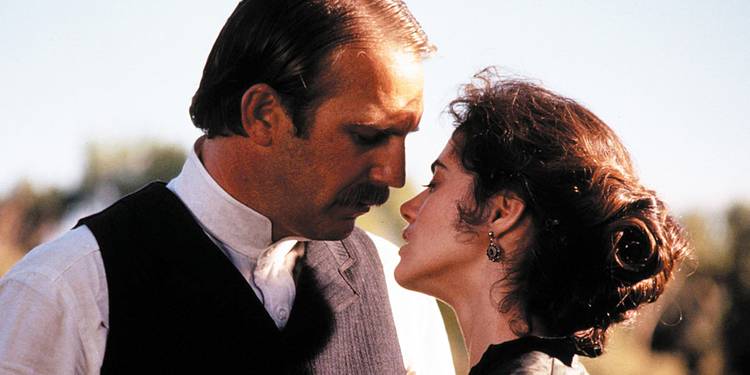
Yet, more than three decades later, Wyatt Earp has experienced an unexpected change in fortune. In a surprising twist of irony, the film that was once criticized and overlooked has returned to the spotlight. Thirty-two years after its original release, Kevin Costner’s ambitious Western is now available to stream for free in the United States, allowing a new generation of viewers to revisit a movie that was once considered a major misstep.
At the time Wyatt Earp was made, Kevin Costner was one of Hollywood’s most powerful stars. Following the record-breaking success of Dances with Wolves, the actor-director was at the height of his career. His success gave him significant creative freedom, and for several years he was able to pursue large-scale projects with major studio support. Some of his early follow-up films continued to perform well, but later in the decade, Costner experienced a difficult period that included major commercial disappointments such as Waterworld and The Postman.
Before those highly publicized failures, however, there was another project that carried great personal importance for Costner: Wyatt Earp. The film was a passion project centered on one of the most famous figures in American Western history. Rather than creating a simple action-driven cowboy adventure, Costner and director Lawrence Kasdan chose to focus on a more detailed character study. Kasdan, known for his work as a writer on Star Wars, approached the story as an exploration of the man behind the legend rather than a traditional gunslinger spectacle.
However, the film faced a major challenge before it even reached theaters. Wyatt Earp was released in 1994, only a few months after another major Hollywood production about the same historical figure. The competing film was Tombstone, starring Kurt Russell as Wyatt Earp. The situation created an unusual rivalry between two Western movies covering similar material, making the releases a rare example of competing projects arriving at nearly the same time.
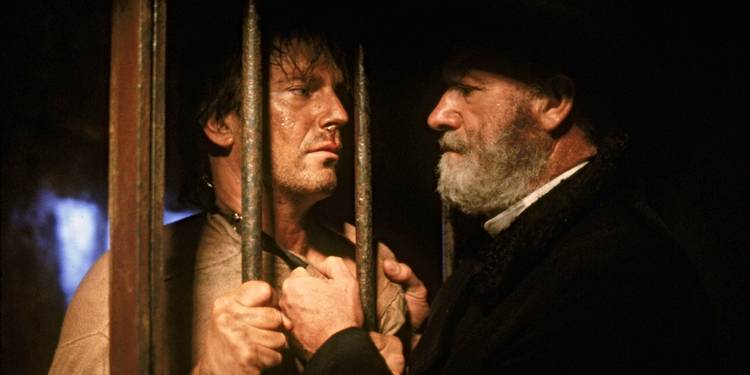
The comparison between the two films became difficult for Wyatt Earp. While Costner’s film attempted to deliver a slower and more detailed examination of its central character, Tombstone gained attention for its more traditional Western style and stronger audience response. The two movies had very different approaches, but their close release dates naturally encouraged comparisons.
Financially, the contrast was also noticeable. Wyatt Earp earned approximately $55 million worldwide from a budget exceeding $60 million, making it a commercial disappointment. Meanwhile, Tombstone, produced with a reported budget of around $25 million, earned more than $70 million at the box office. The results contributed to the perception that Costner’s film had failed, despite its large production scale and respected cast.
The cast of Wyatt Earp included several well-known performers, including Gene Hackman, Dennis Quaid, Bill Pullman, Michael Madsen, Isabella Rossellini, and Catherine O’Hara. Despite the strength of its ensemble, the film received mixed reactions from critics. On Rotten Tomatoes, it currently holds a 33% score, reflecting the divided response it received. The critical consensus described the movie as a project that was easy to admire but difficult to fully embrace, noting that its impressive direction and talented cast were affected by a story considered overly long and unfocused.
Years after the film’s release, Costner himself reflected on the unusual circumstances surrounding the two competing Wyatt Earp movies. In an interview with GQ, he explained that the situation became a kind of competition between the two projects and admitted that he regretted the way the rivalry unfolded. While he acknowledged that Tombstone was an enjoyable movie, he expressed disappointment that both films became connected through this unexpected comparison.
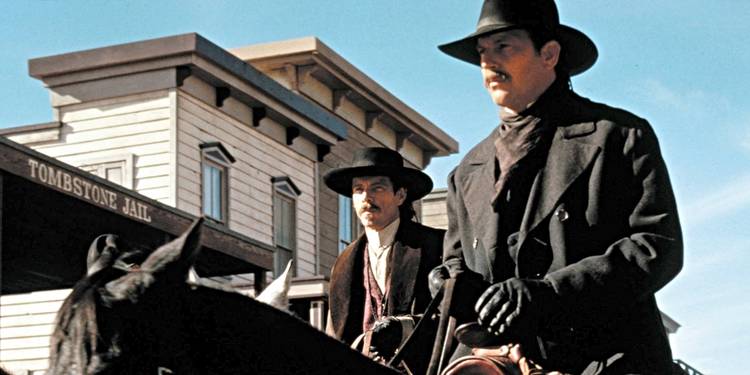
Now, decades later, Wyatt Earp is receiving a new opportunity through streaming. The film’s availability for free on Tubi in the United States offers audiences a chance to judge it outside the expectations and competition that surrounded its original release. A movie once remembered mainly for its failure can now be viewed through a different perspective, separated from the box office battle that shaped its reputation.
The renewed attention surrounding Wyatt Earp also comes as Kevin Costner continues pursuing ambitious Western projects, including his four-part passion project Horizon: An American Saga. While he works to continue that new chapter of his Western filmmaking ambitions, his earlier effort has unexpectedly returned to public conversation. After 32 years, Wyatt Earp stands as a reminder that some films can experience a second life long after their initial struggles, proving that a difficult beginning does not always define a movie’s lasting legacy.