The controversy surrounding Perfect Crown has officially escalated to the point where its lead actor, Byeon Woo-seok, personally issued a public apology — and the reaction online has been explosive.
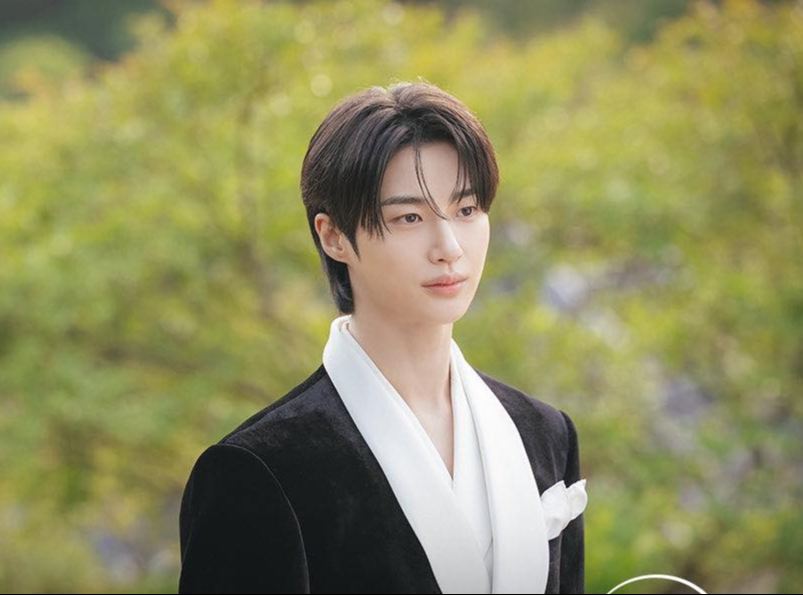
On May 18, Byeon Woo-seok posted a lengthy statement on social media addressing the growing backlash tied to the drama’s historical symbolism and political implications. The actor admitted he had spent the entire weekend debating whether speaking out would only worsen the controversy, ultimately deciding he needed to apologize directly to viewers who felt “discomfort and concern” because of the series.
What shocked many fans was not simply that he apologized — but how serious and reflective the statement sounded.
Byeon acknowledged that during filming, he “did not sufficiently consider the historical context and meaning embedded in the work, or how it might be received by viewers.” He added that reading audience criticism made him realize actors also carry responsibility for the messages and implications within a project, not just the performance itself.
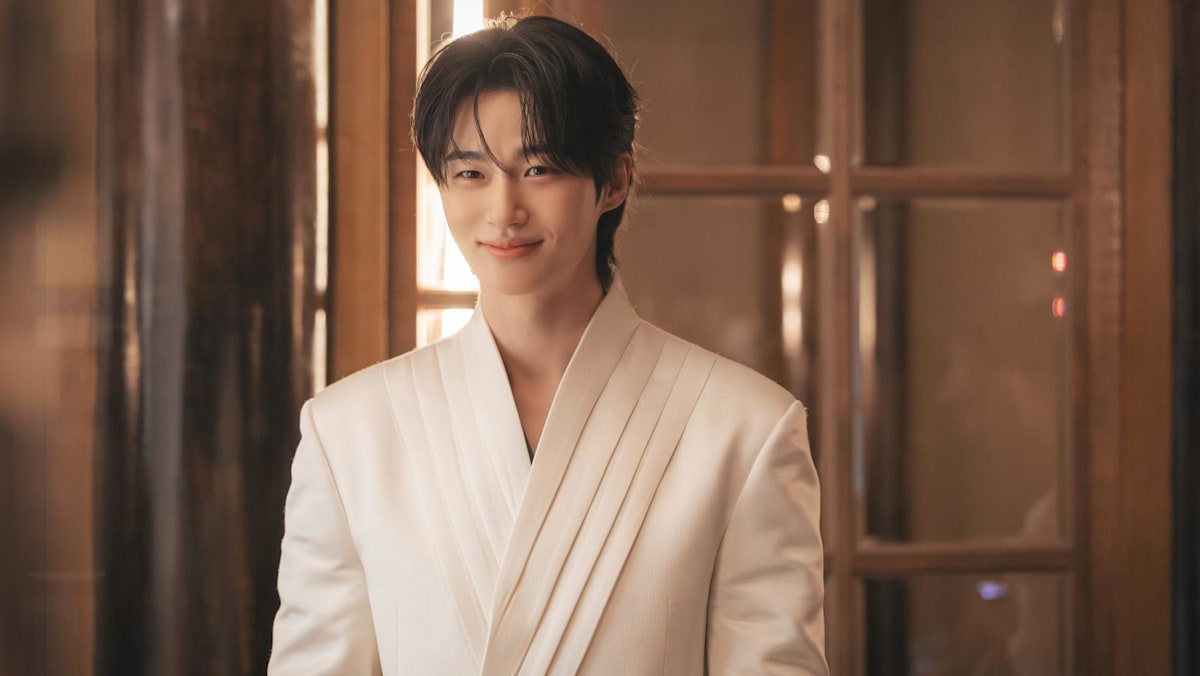
For many Korean netizens, this was the first time someone directly connected to the show publicly recognized the controversy instead of dismissing it as “overreaction.”
The backlash around Perfect Crown had already been simmering for weeks despite the drama’s strong ratings and massive online popularity. The series finale reportedly reached 13.8% nationwide ratings, making it one of the biggest Korean dramas of the year. But at the same time, criticism over the show’s fictional monarchy worldbuilding kept intensifying across Korean forums and social media.
The biggest issue centered around symbolism tied to sovereignty and historical identity.
Viewers pointed out that the crown used during Prince Lee Ahn’s coronation featured nine rows instead of the twelve traditionally associated with an independent emperor-level sovereign nation. In East Asian imperial symbolism, nine-row crowns were historically linked to vassal states rather than fully independent empires.
That detail alone might have remained niche discourse among history enthusiasts — except the drama compounded it with another controversial moment.
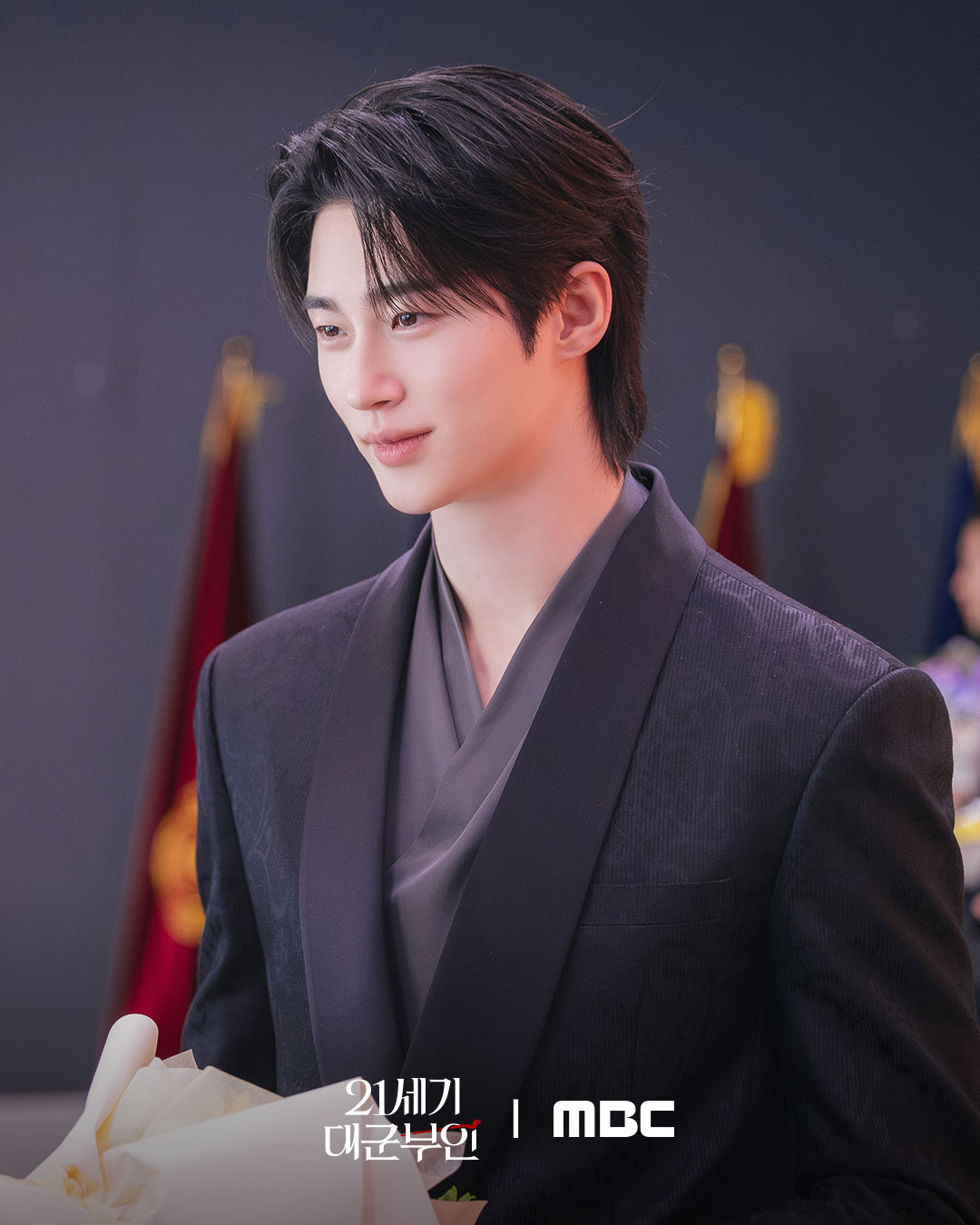
During ceremonial scenes, retainers reportedly shouted “cheonse” instead of the more nationally symbolic “manse,” triggering accusations that the fictional Republic of Korea monarchy in the drama was being framed more like a tributary state than an independent nation.
Once those discussions exploded online, the controversy spiraled much further than typical “historical inaccuracy” complaints.
Some critics even began connecting the drama to debates surrounding the so-called Northeast Project — a politically sensitive controversy involving Chinese historical claims and interpretations of Korean history. At that point, the discourse surrounding Perfect Crown stopped being merely about costumes or production design and became deeply nationalistic and political.
That escalation explains why Byeon Woo-seok’s apology is being treated as such a major development.
What makes the situation even more fascinating is that the controversy exists alongside enormous commercial success. The drama has dominated online discussion for weeks, but the audience remains deeply divided on whether popularity should excuse criticism of the writing and symbolism.

Critics of the show argue that Perfect Crown prioritized aesthetics, visuals, and marketability over coherent storytelling and historical sensitivity. Viral commentary from Korean critic Oh Soo Kyung — who famously described the series as “a moving photoshoot” rather than a real drama — only intensified that perception.
Meanwhile, defenders argue that the show was always intended to be a fictional fusion monarchy romance and should not be judged by strict historical standards.
But Byeon’s statement may have changed the tone of the debate because it implicitly acknowledges that viewers’ criticisms were legitimate enough to deserve reflection.
Another reason the apology is generating huge attention is because Korean actors rarely apologize this directly for controversies tied to production decisions rather than personal scandals. Byeon essentially accepted moral responsibility for participating in a work that many viewers felt mishandled sensitive symbolism.
Some fans praised the apology as mature and responsible, saying he handled the backlash better than many celebrities would have.
Others, however, believe the apology came too late — or argue that the production team and writers should be the ones speaking out rather than the actor carrying the burden publicly.
The irony is that IU and Byeon Woo-seok’s chemistry remains one of the most praised aspects of the drama, and the finale itself generated enormous engagement online. Yet instead of ending with celebration, the show’s final days have become dominated by debates about nationalism, symbolism, historical literacy, and whether visually stunning dramas can still fail at deeper storytelling responsibility.
At this point, Perfect Crown may end up remembered as much for its controversies as for its ratings success — and Byeon Woo-seok’s apology has only ensured that discourse will continue long after the finale aired.