The backlash surrounding Perfect Crown has escalated even further after an older promotional interview featuring IU and Byeon Woo-seok resurfaced online — and many netizens are now accusing the two stars of knowingly overlooking the drama’s controversial elements from the very beginning.
The interview, which was originally meant to promote the series before its premiere, has suddenly taken on an entirely different meaning after weeks of criticism aimed at the drama’s historical symbolism, monarchist world-building, and alleged use of imagery many viewers considered insensitive in the context of Korean history.
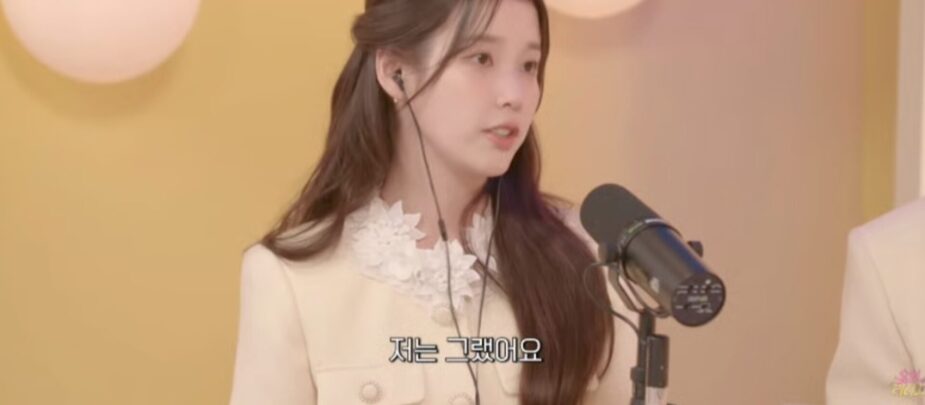
In the resurfaced clips, IU explained that she became interested in the project almost immediately after reading the early scripts. According to her, she read up to episode four and found herself curious about where the story would go next. That curiosity, she said, was what made her decide to join the production.
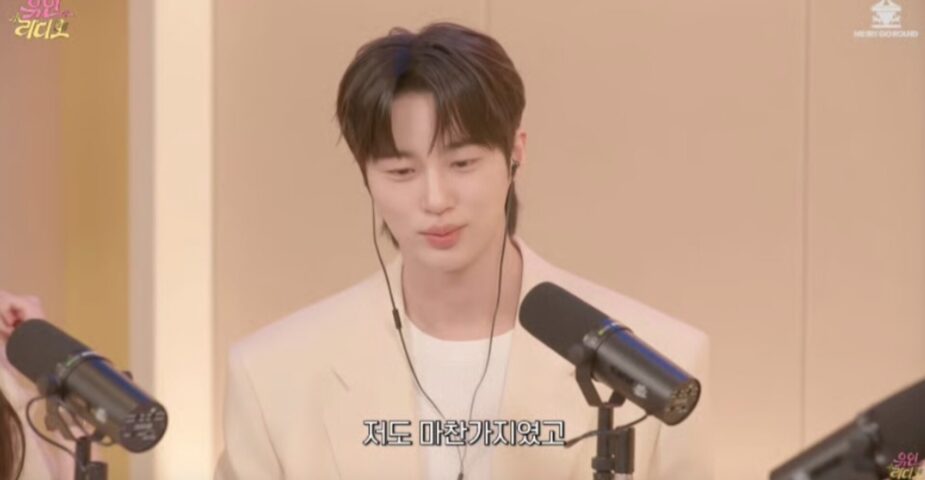
Byeon Woo-seok shared a very similar reaction. He recalled reading the script while traveling overseas for work and said he instantly felt that “this was the one.” He described feeling excited about introducing a new character to viewers and admitted he wanted to participate in the drama almost as soon as he finished reading the material.
Under normal circumstances, comments like these would have sounded like standard promotional enthusiasm. But because the controversy surrounding the show exploded throughout its run, viewers interpreted the interview very differently this time around.
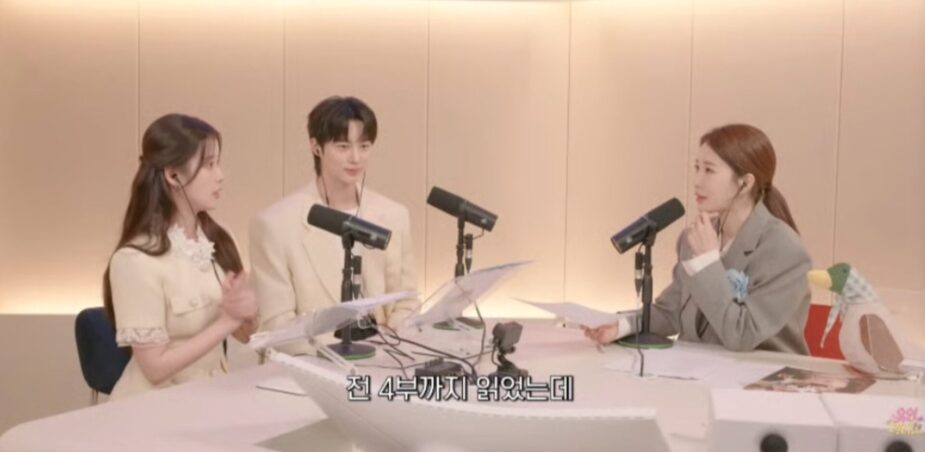
The biggest issue for critics is that many of the drama’s most controversial elements were reportedly already visible within the first few episodes. Since both actors openly admitted they had read at least up to episode four before signing on, some viewers now believe they cannot claim complete ignorance regarding the project’s themes and direction.
Online reactions quickly turned harsh.
Many commenters argued that the actors either failed to recognize the historical implications embedded in the script or simply ignored them because the project was commercially attractive. Some accused the stars of prioritizing visuals, fame, and profit over cultural sensitivity. Others mocked their “script judgment,” saying they were shocked that experienced actors would supposedly fail to notice what audiences identified almost immediately after the premiere.
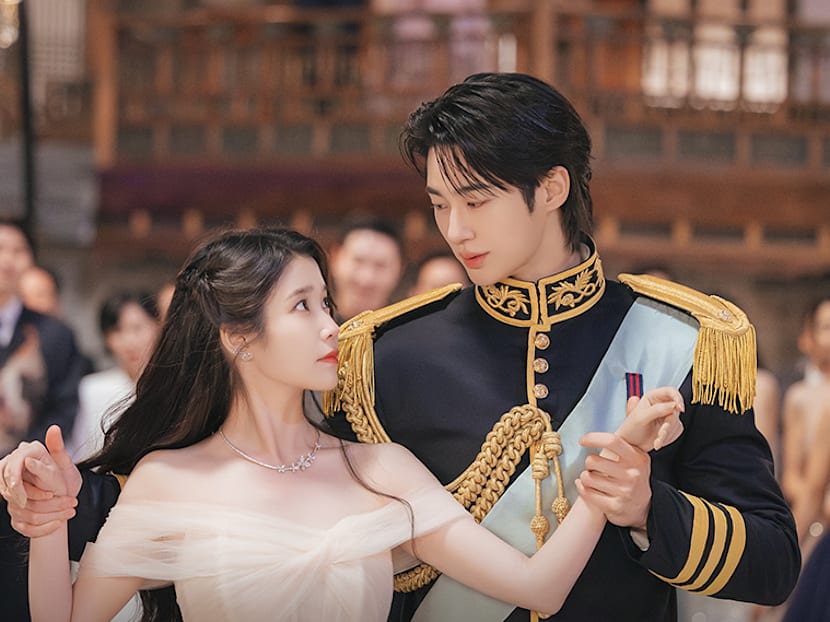
The controversy is especially intense because the criticism toward the drama has grown far beyond ordinary complaints about writing quality. Throughout its broadcast, the series faced accusations of mishandling symbols associated with Korean sovereignty and monarchy. Debate intensified after viewers pointed out details such as the royal crown containing nine rows instead of twelve — imagery some interpreted as symbolically portraying Korea as subordinate rather than sovereign. Additional outrage emerged over the use of terminology that some audiences associated with tributary-state language.
What originally began as criticism of world-building and historical inconsistency eventually snowballed into accusations involving nationalism and historical revisionism. That atmosphere made the resurfaced interview far more explosive than it otherwise would have been.
The timing also matters because Byeon Woo-seok recently issued a formal apology addressing the controversy. In his statement, he admitted he had not sufficiently considered the historical context or how viewers might interpret the work. He acknowledged that audience criticism made him reflect on the responsibilities actors have regarding both storytelling and messaging.
That apology initially softened reactions among some viewers. However, the rediscovered interview complicated matters again because critics now argue the cast had multiple opportunities to recognize potential issues before production even began.
At the same time, not everyone agrees with the backlash.
Some fans defended the actors, arguing that performers are not historians and should not bear sole responsibility for every creative or political implication within a drama. Others pointed out that scripts frequently change during production, making it unfair to assume the actors fully understood how the final product would be received. Supporters also argued that much of the outrage has become excessively personal, especially toward IU, whose acting and public image had largely avoided major controversy for years before this project.
Still, the incident highlights a larger conversation currently happening in the Korean entertainment industry: how much responsibility actors should carry for the political, cultural, or historical implications of the projects they choose.
For many viewers, the resurfaced interview transformed the controversy from “the production made mistakes” into a broader debate about accountability — especially when stars openly admit they were enthusiastic about the material from the start.