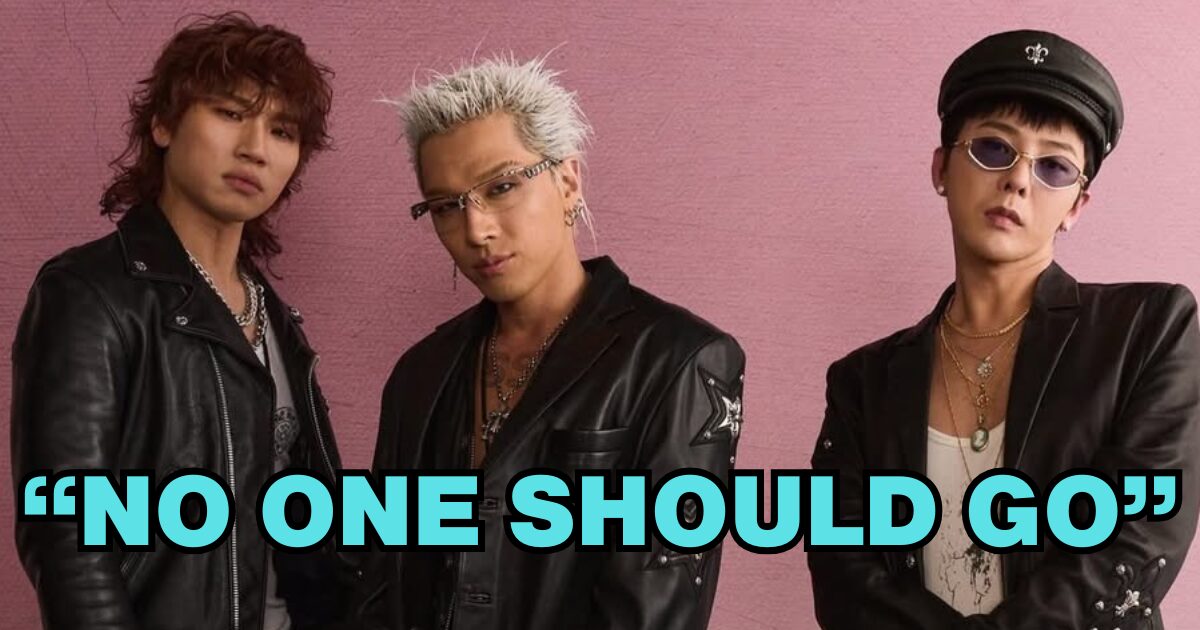
BIGBANG’s long-awaited return to the concert stage should have been a moment of celebration for fans. Instead, the group’s upcoming 2026 World Tour stop in Goyang has become the center of a growing controversy after ticket prices were revealed, triggering criticism across Korean online communities and prompting some fans to call for a boycott.
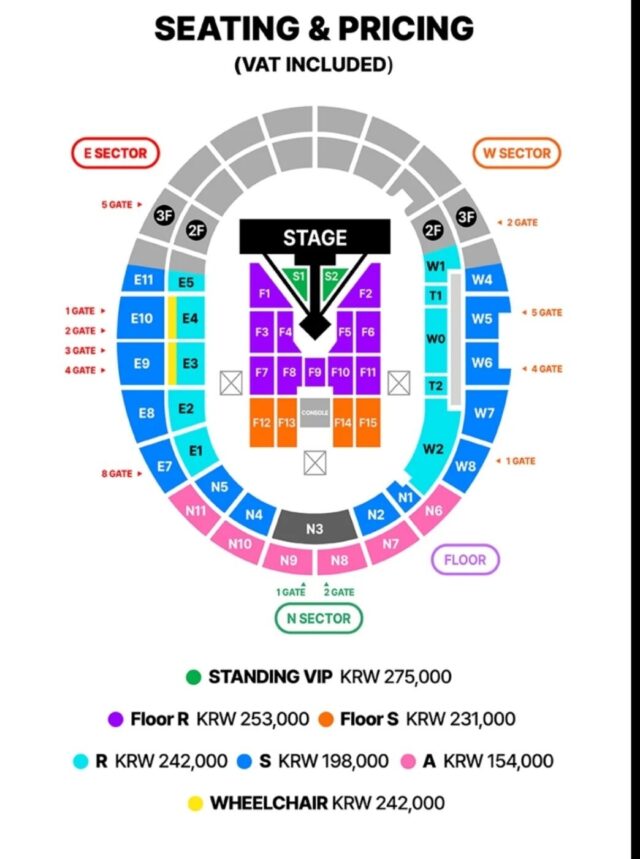
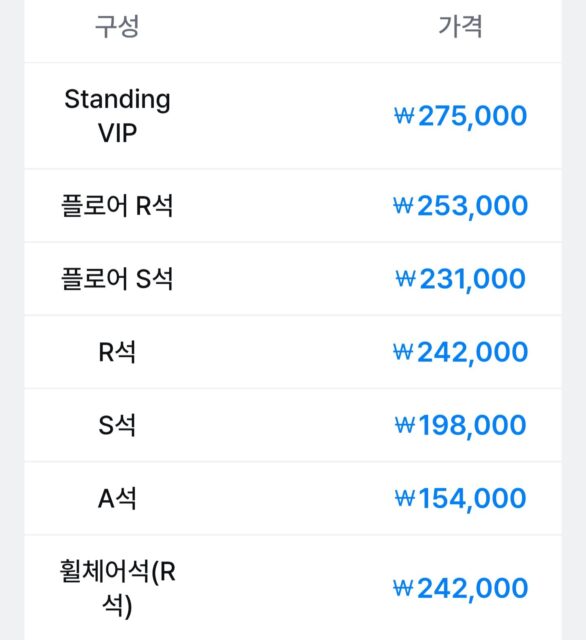
The pricing structure for the concert quickly became a hot topic after details were shared online. According to the announced seating chart, Standing VIP tickets are priced at ₩275,000 KRW (approximately $181 USD), while Floor R seats cost ₩253,000 KRW (around $166 USD). Regular R seats are set at ₩242,000 KRW ($159 USD), Floor S seats at ₩231,000 KRW ($152 USD), S seats at ₩198,000 KRW ($130 USD), and A seats at ₩154,000 KRW ($101 USD).
While concert ticket prices have generally increased across the entertainment industry in recent years, many fans felt these figures pushed the limits of what they considered reasonable. For some, the frustration stems from the fact that BIGBANG’s fanbase has remained loyal throughout years of inactivity, military enlistments, lineup changes, and long periods without group promotions.
Many expected the group’s comeback tour to be expensive, but few anticipated prices reaching this level.
The backlash intensified even further when fans noticed the pricing assigned to wheelchair-accessible seating.
According to the seating information, wheelchair-accessible seats are categorized within the R-tier section and carry a price tag of ₩242,000 KRW, making them one of the most expensive ticket options available for the event.
That detail immediately became one of the biggest talking points online.
Critics argued that accessibility seating should not come with such a significant financial burden, especially when those seats are intended to accommodate fans with disabilities. Many questioned why wheelchair users would be required to pay a premium price comparable to some of the venue’s best viewing sections.
As screenshots of the seating chart circulated on social media and Korean forums, reactions quickly poured in.
On popular community site TheQoo, numerous users expressed disbelief over the pricing strategy.
Some commenters urged fellow fans not to purchase tickets, arguing that only consumer resistance would send a message to organizers. Others described the prices as excessive, while many specifically focused on the wheelchair-accessible seating issue.
Several users questioned whether the pricing was appropriate at all, suggesting that the accessibility section had become the most controversial aspect of the entire ticketing announcement.
The criticism has expanded beyond simple complaints about expensive concert tickets. For many fans, the debate has evolved into a broader discussion about accessibility, fairness, and how entertainment companies should accommodate disabled concertgoers.
At the same time, not everyone believes the backlash will have a significant impact on ticket sales.
BIGBANG remains one of the most influential groups in K-pop history, and demand for the group’s return remains extremely high. The members have built a devoted global fanbase over nearly two decades, and many supporters have waited years for the opportunity to see the group perform together again.
Because of that, some observers believe the concerts could still sell out despite the controversy.
Others argue that the criticism itself reflects the passion of the fanbase. Fans who have followed BIGBANG for years often hold the group and its organizers to particularly high standards, making pricing decisions more likely to face intense scrutiny.
Regardless of how ticket sales ultimately perform, the conversation surrounding the Goyang concert has already become one of the biggest K-pop controversies of the week.
What was intended to be an exciting announcement for BIGBANG’s highly anticipated world tour has instead shifted attention toward questions about affordability and accessibility. While many fans remain eager to attend the concerts, others are demanding answers about the pricing structure—especially when it comes to wheelchair-accessible seating.
For now, the debate continues to spread across social media and online communities, with fans closely watching to see whether organizers respond to the growing criticism or leave the pricing unchanged ahead of ticket sales.