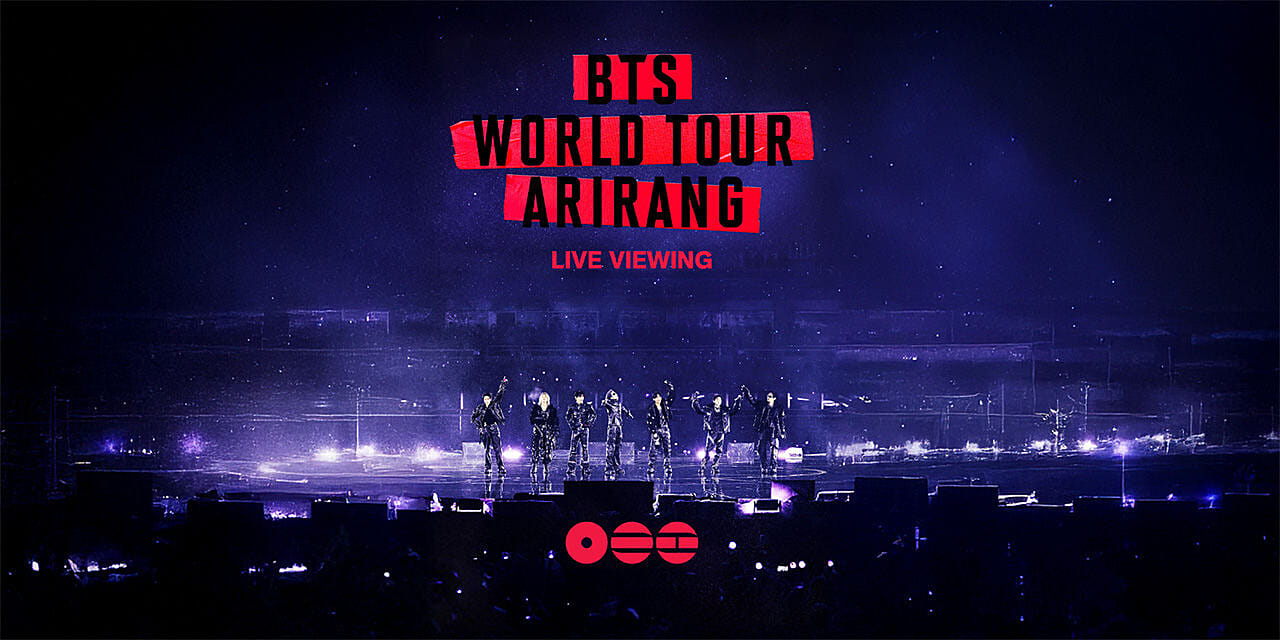
BTS’s long-awaited Busan concert was meant to be one of the biggest celebrations of the group’s 2026 activities. Instead, a significant delay before the show began has sparked frustration among fans and renewed criticism of management decisions behind the scenes.
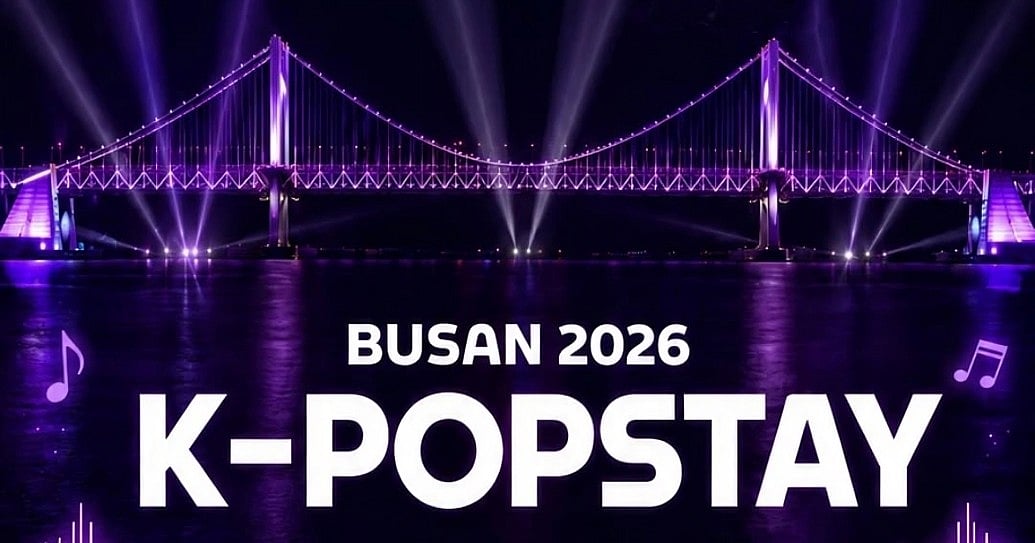
According to reports from attendees, the concert at the Busan Asiad Main Stadium was delayed by approximately one hour and fifteen minutes. The delay was reportedly caused by problems involving venue entry procedures and the distribution of fan gifts, creating confusion and long wait times for thousands of concertgoers.
As complaints began spreading online, BTS’s agency, BIGHIT MUSIC, released an official apology acknowledging the inconvenience experienced by fans.
What surprised many ARMYs, however, was what happened after the concert ended.
During a livestream on Weverse, BTS members Jimin and Jungkook personally addressed the situation and apologized to fans.
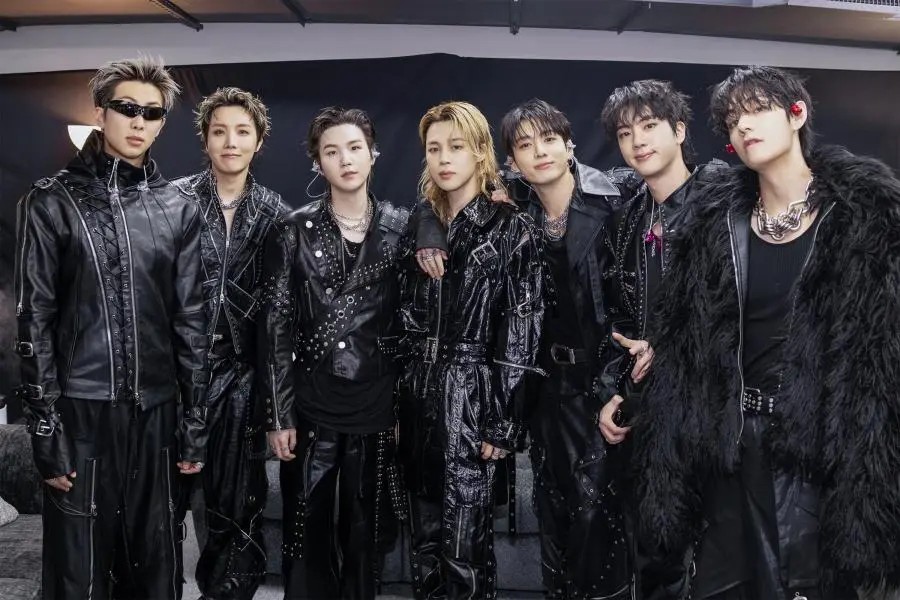
Jimin explained that the members themselves were not fully aware of exactly what had gone wrong behind the scenes. He expressed regret that the fan gifts, which were intended to create a positive experience for attendees, ended up contributing to difficulties during the event.
The apology was widely viewed as sincere and respectful. However, it quickly triggered a wave of anger from fans—not toward the members, but toward the company.
Many ARMYs argued that the artists should not have been placed in a position where they felt responsible for operational failures they did not control. Social media platforms were soon flooded with comments questioning why BTS members were apologizing for what appeared to be management and event-planning issues.
The criticism largely centered on accountability.
Fans pointed out that BTS had no involvement in organizing venue logistics, crowd management, ticket scanning procedures, or gift distribution systems. As a result, many felt it was unfair for the members to publicly shoulder responsibility while the individuals directly responsible remained largely out of the spotlight.
A common sentiment among fans was that the artists were once again protecting the relationship between the company and its audience, despite not being the source of the problem themselves.
Others praised Jimin and Jungkook for their professionalism, noting that their willingness to address fans directly demonstrated why BTS continues to enjoy such strong support worldwide.
Still, the situation has reopened a familiar debate within the fandom.
Over the years, BTS members have frequently stepped forward to apologize for issues ranging from technical difficulties to scheduling problems, even when those issues were beyond their control. While many fans appreciate the group’s sense of responsibility, others increasingly question whether the burden of public accountability falls too heavily on the artists themselves.
The latest controversy reflects that tension.
Rather than criticizing Jimin or Jungkook, most reactions focused on the belief that management should have taken greater ownership of the situation and communicated more clearly about what caused the delay and how similar problems will be prevented in the future.
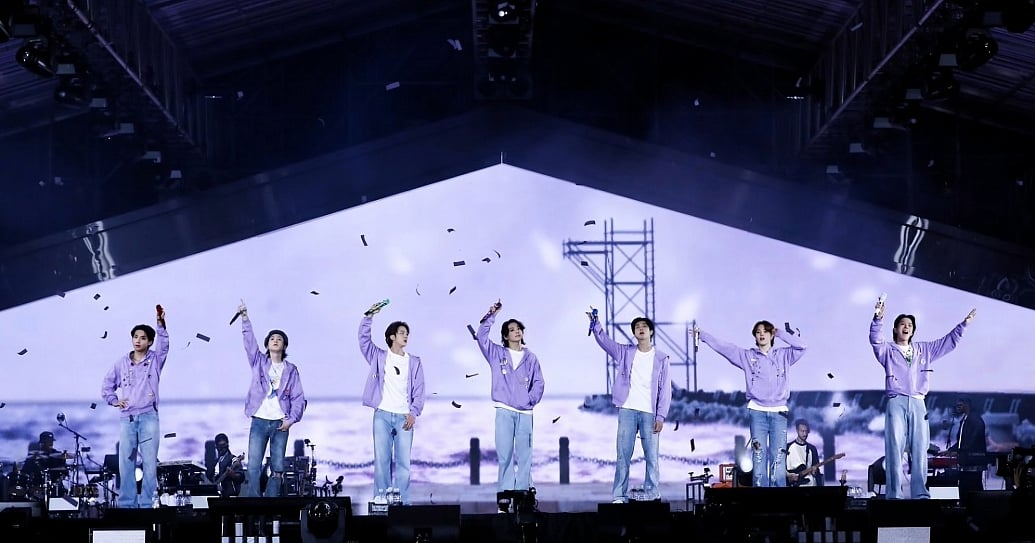
At the moment, there is no indication that the delay affected the remainder of BTS’s Busan performances, and many attendees still described the concert itself as a memorable experience once it finally began.
Nevertheless, the discussion surrounding the incident has shifted away from the performance and toward a broader question: when problems occur at major concerts, who should be expected to apologize?
For many ARMYs, the answer is clear. They believe BTS showed grace and professionalism by addressing disappointed fans, but they also argue that the responsibility for explaining operational failures should ultimately rest with the organizers and management teams—not the artists standing on stage.