The upcoming U.S. leg of BTS’s highly anticipated “ARIRANG” World Tour is already facing a wave of backlash—before a single show has even begun. What should have been a celebratory return to North America has instead turned into a heated debate over ticketing practices, with fans accusing Ticketmaster of unfair pricing and last-minute changes that have disrupted carefully made plans.
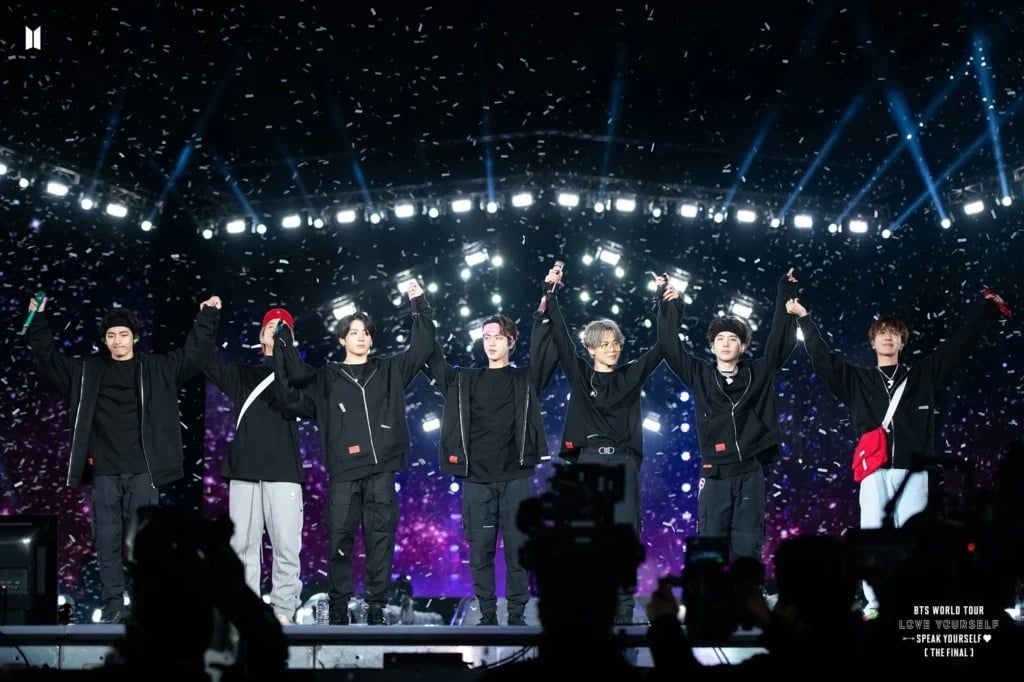
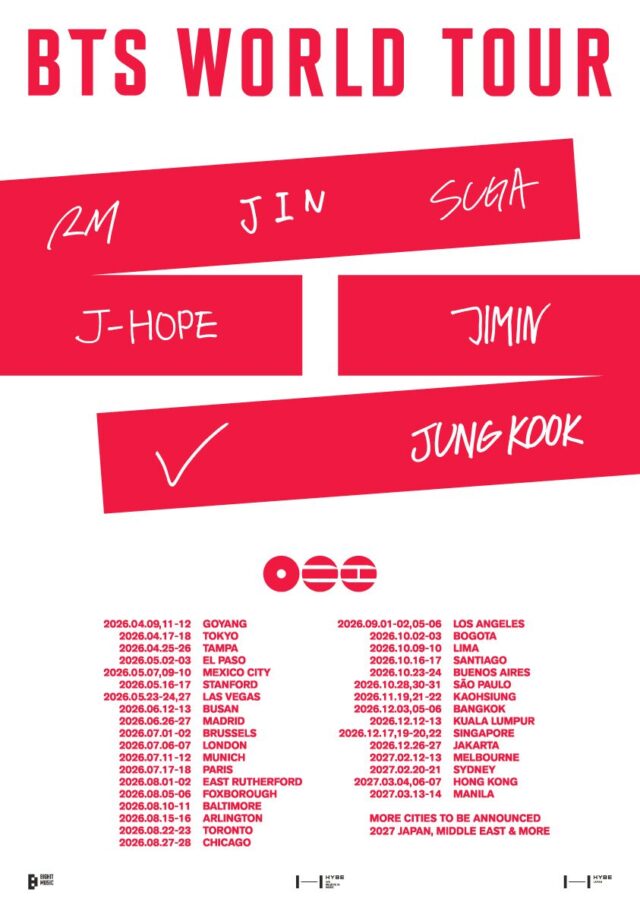
Just days before the first concerts kick off, new batches of tickets were suddenly released for several major tour stops, including Tampa, El Paso, and Las Vegas. While additional inventory is not unusual in large-scale stadium tours, the timing and pricing of these tickets have sparked outrage among fans—especially those who purchased seats during earlier sales phases at significantly higher prices.
Many fans pointed out that some of the newly released tickets were not only cheaper, but also located closer to the stage. This revelation has been particularly frustrating for early buyers who paid premium prices—often including membership fees for exclusive pre-sale access—only to find themselves seated farther away than newly purchasing attendees.
The controversy deepened when reports suggested that seating configurations may have been adjusted, with additional rows—sometimes labeled as “VIP” or premium sections—being added closer to the barricade. For fans who believed they had secured some of the best available spots during the initial sale, this felt like a breach of trust.
Social media platforms quickly became flooded with complaints from ARMY, BTS’s global fanbase. Some fans expressed anger over what they described as “dynamic pricing manipulation,” while others questioned the purpose of fan club memberships if better deals and seats would be made available later. A recurring concern was the financial burden placed on loyal fans who had planned travel, accommodation, and tickets months in advance—often at considerable expense.
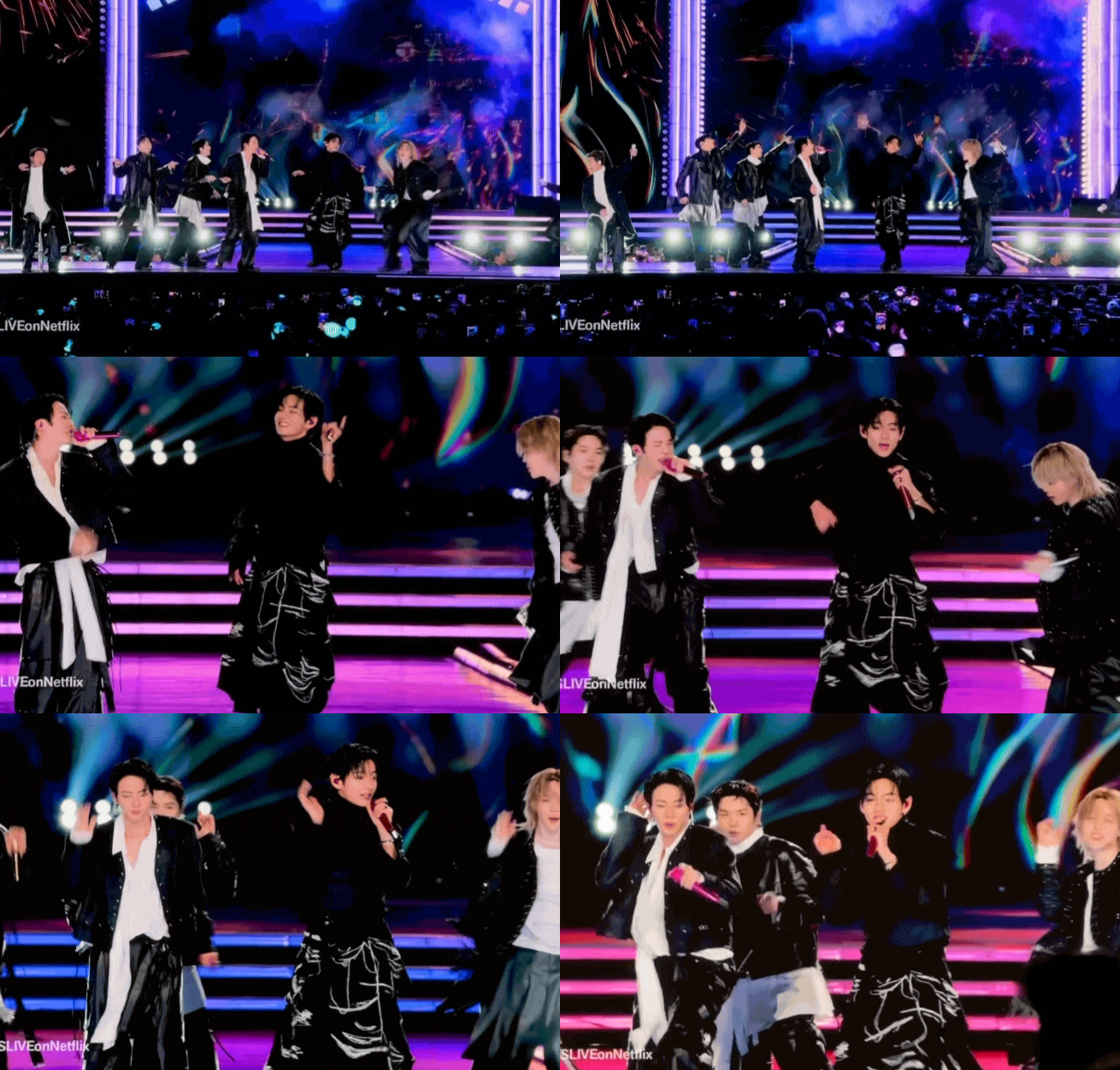
The situation has also highlighted broader frustrations with modern ticketing systems. Dynamic pricing, a model increasingly used by platforms like Ticketmaster, allows ticket prices to fluctuate based on demand. While this can benefit sellers and event organizers, critics argue that it creates an uneven playing field for fans, rewarding those who wait while penalizing those who act early.
For BTS, the timing of this controversy is far from ideal. The group—one of the biggest global acts in music—has just launched its ambitious world tour, which spans 34 cities and includes 85 performances, making it the largest tour ever undertaken by a Korean artist. Expectations are exceptionally high, and the U.S. leg is a critical part of that global rollout.
Despite the mounting backlash, neither BTS nor their agency has publicly addressed the ticketing concerns so far. This silence has left fans directing most of their frustration toward Ticketmaster, rather than the artists themselves. However, the situation still risks overshadowing the excitement surrounding the tour’s launch.
Ultimately, the controversy underscores a growing tension in the live entertainment industry: the clash between large-scale commercial ticketing systems and the expectations of dedicated fan communities. For BTS and their team, maintaining trust with their audience will be crucial as the tour progresses.
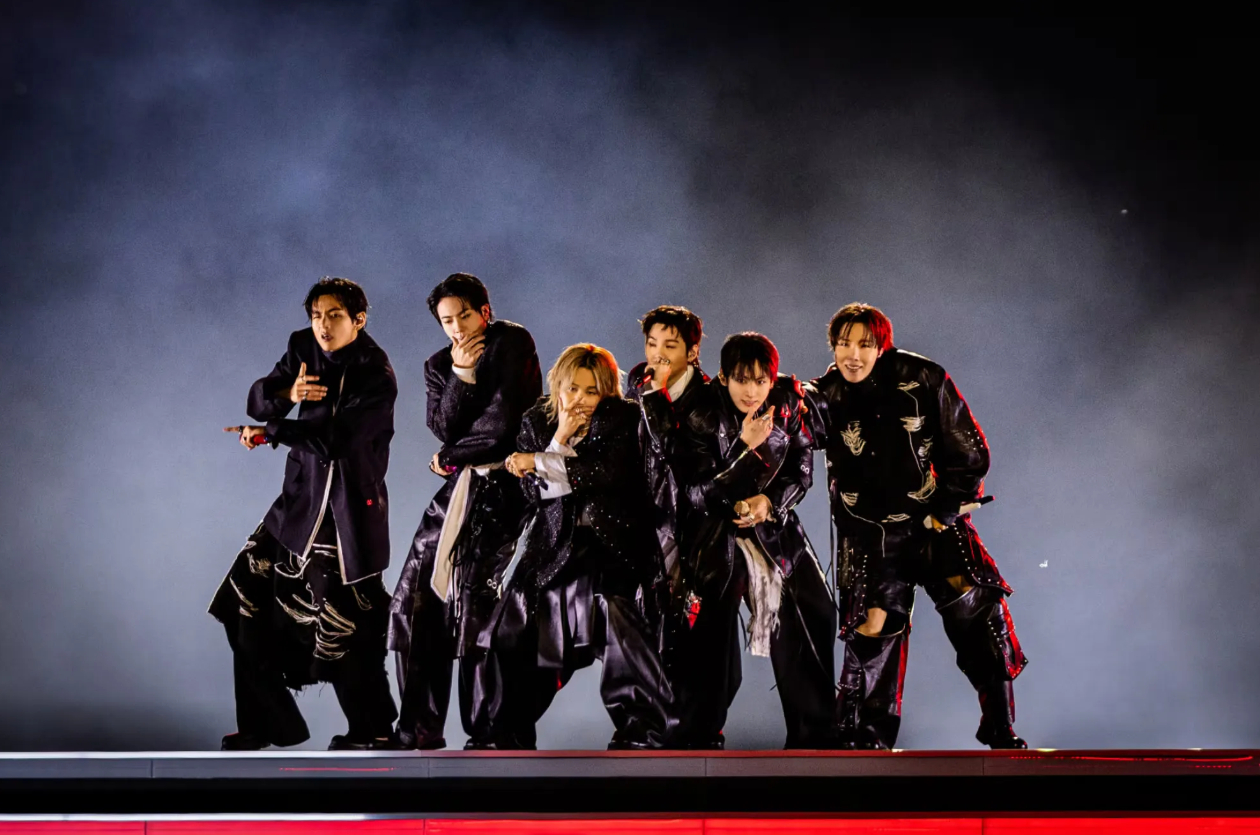
With opening night just around the corner, all eyes are now on how this situation unfolds—and whether the energy inside the stadiums can outweigh the frustration that erupted long before the lights go down.