A controversial new trend on TikTok is drawing widespread backlash, as some K-pop fans use AI technology to create fabricated intimate images of themselves with members of BTS.
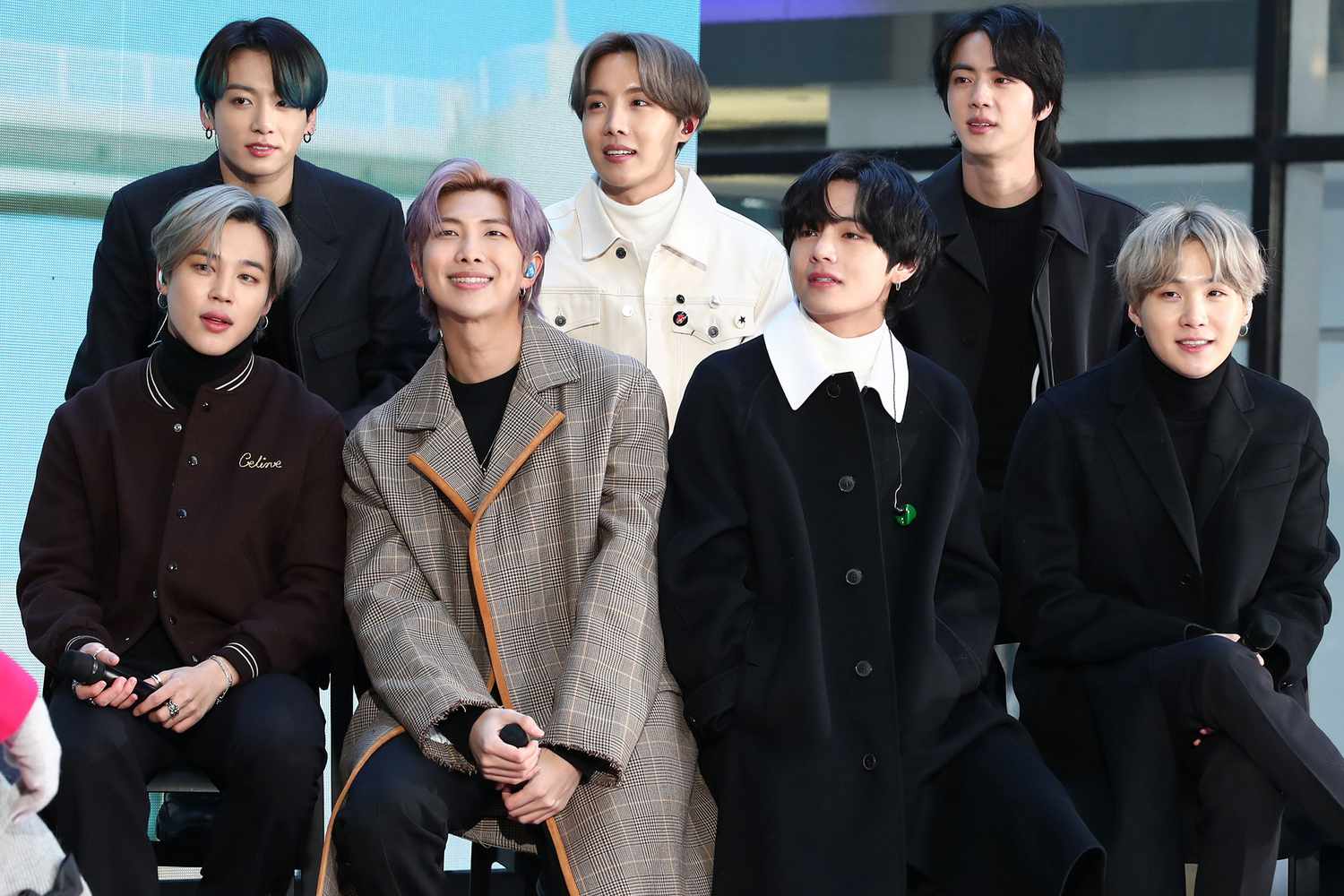
The trend involves generating edited or AI-assisted visuals that place fans alongside BTS members in highly suggestive scenarios. While some images are relatively mild, others cross into more provocative territory, including shirtless edits and poses that imply romantic or physical closeness.
These videos have quickly gained traction on TikTok, with many racking up thousands of views. What has raised even more concern is that some creators are actively sharing tutorials, teaching others how to replicate the process using their favorite idols. As a result, the trend has not only spread rapidly but is also being normalized within certain corners of the platform.
The issue soon extended beyond TikTok, sparking heated debate on other social media platforms like Twitter. A significant number of fans have strongly criticized the trend, calling it inappropriate and disrespectful. Many pointed out that BTS members themselves are active online and could easily come across such content.
Critics argue that the use of AI in this way blurs ethical boundaries, especially when it involves real individuals who have not consented to being portrayed in such contexts. Some fans have gone as far as labeling the trend a form of digital harassment, noting its similarity to deepfake content—an area that has already raised serious legal and ethical concerns globally.
There are also discussions about potential consequences. Given the scale and public nature of the trend, some believe that Big Hit Music the group’s management company, could take action if the content is deemed harmful to the artists’ image or rights.
Ultimately, the controversy highlights a growing challenge in the digital age: the intersection of fan culture, rapidly advancing AI tools, and the boundaries of personal privacy. As technology continues to evolve, so too does the conversation around what is acceptable—and where the line should be drawn.