In a powerful demonstration of their enduring commitment to cultural diplomacy, BTS continues to bridge contemporary pop music with Korea’s rich historical heritage. The group has launched the interactive “Korea Gallery Trail” program at the National Museum of Korea’s exhibition space within a major London institution, running through July 23, 2026 (local time). This initiative forms part of the broader “BTS the City Arirang – London” events, timed to coincide with the septet’s performances in the UK capital as part of their global “Arirang” tour.
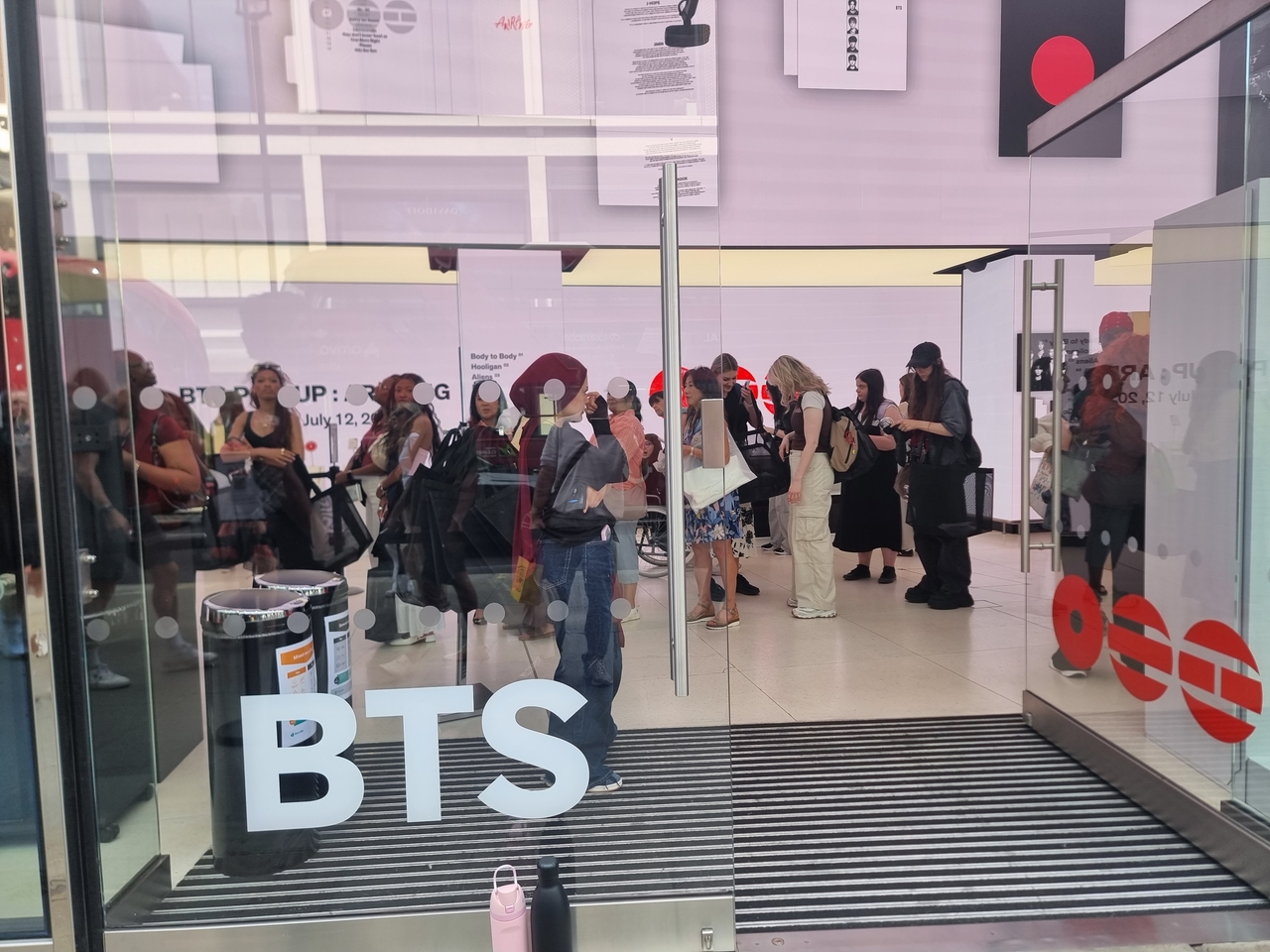
Unlike conventional promotional campaigns, the “Korea Gallery Trail” transforms a museum visit into a thoughtful journey of discovery. By weaving together BTS’s music—particularly from their fifth studio album Arirang—with tangible historical artifacts, the program invites international visitors to explore the deep-rooted values of Korean culture that have endured across generations. Themes of hope, resilience, and communal harmony take center stage, creating an emotional resonance that feels both educational and deeply personal.
The experience draws direct inspiration from the Arirang album, selecting artifacts that mirror its lyrical and emotional core. Highlights include the traditional Sarangbang, a guest reception space symbolizing new beginnings and hospitality; the elegant Dal Hangari (moon jar), a quintessential representation of Korean ceramic artistry; exquisite gold earrings showcasing masterful metalworking techniques; and Sumaksae, ornamental roof tiles that embody ancient architectural sophistication. These items, many on regular display, come alive through the lens of BTS’s artistry.
A particular focus shines on treasures from the Silla Kingdom (also known as Shilla), inspired by “No. 29,” the sixth track on the Arirang album. The song incorporates sonic elements derived from the renowned Seongdeok Daewang Bell—one of Korea’s most celebrated national treasures—creating a multisensory link between past and present. Visitors scan a QR code at the entrance to access guided narratives, learning the historical context and cultural significance of each piece as they progress through the trail.
The program culminates in an interactive invitation: participants are encouraged to reflect on “What is Your Arirang?”—identifying a personal artifact or story that resonates with them—and share it on social media. This participatory element fosters a sense of ownership and global dialogue, turning passive observation into active cultural engagement. According to HYBE, the initiative aims to make Korea’s artistic and historical legacy more accessible and relatable to international audiences, fostering meaningful connections between modern K-pop and time-honored traditions.
This London collaboration with the National Museum of Korea (or affiliated UK institution) builds upon BTS’s long-standing efforts to promote Korean culture on the world stage. The group has consistently incorporated traditional elements into their work—hanbok costumes, folk instruments, palace architecture motifs, and symbolic imagery—transforming music videos, performances, and concerts into vibrant showcases of national identity. Their 2021 appointment as South Korean Presidential Special Envoys for Future Generations and Culture further formalized this role, leading to landmark appearances at the United Nations General Assembly and other high-profile international forums where they advocated for youth empowerment, education, and cross-cultural understanding.

The timing of the “Korea Gallery Trail” enhances the overall fan experience during the “Arirang” tour. BTS recently delivered two electrifying nights at Tottenham Hotspur Stadium on July 6 and 7, 2026. By integrating cultural activities alongside concerts, the group expands the visit beyond music into a holistic immersion, allowing fans to carry home not just memories of powerful performances but also newfound appreciation for Korea’s heritage. This multifaceted approach strengthens emotional bonds with global ARMY while positioning BTS as influential cultural ambassadors.
The broader impact of such initiatives extends far beyond ticket sales and streams. BTS’s ability to popularize Korean culture has contributed significantly to the global Hallyu (Korean Wave) phenomenon, boosting interest in everything from language learning and cuisine to tourism and traditional arts. Economic studies have long highlighted the substantial returns from their tours and related activities, but the intangible value—fostering mutual respect and curiosity between nations—is equally profound.
As the “Korea Gallery Trail” unfolds in London, it exemplifies a thoughtful evolution in how artists engage with their platform. Rather than superficial branding, BTS invests in substantive experiences that educate, inspire, and connect. In an era where cultural exchange can sometimes feel performative, their approach feels authentic and purposeful, rooted in genuine pride for their roots and a desire to share them generously.
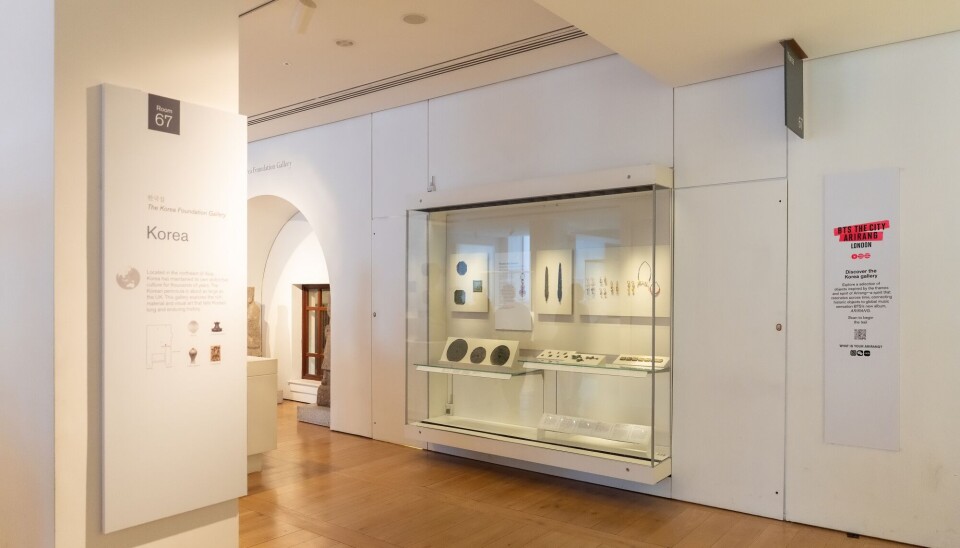
For international visitors navigating the trail, the program offers a rare window into the soul of a nation: its enduring spirit of arirang—a folk motif of longing, perseverance, and unity that transcends time. Through QR-guided stories, artifact contemplation, and personal reflection, participants leave not just informed but moved. This is cultural promotion at its most effective—subtle yet profound, artistic yet educational.
As BTS continues their “Arirang” world tour, projects like the London gallery trail reinforce their legacy as more than musicians. They are storytellers, connectors, and bridges between eras and continents. In spotlighting treasures from Silla to modern pop anthems, they remind the world that culture thrives when shared, and that the most powerful performances often happen not only on stage but in the quiet moments of discovery and connection that follow