J-Hope has sparked intense online discussion after candidly opening up about his feelings toward his work — a rare moment of vulnerability that quickly divided public opinion.
In a recent statement, the BTS member reflected on his relationship with his career, admitting that his passion may not be as straightforward as it appears. “There are not many things that I actually enjoy. I think I pretend to like them,” he shared. While acknowledging that music has always been a central part of his life, he added that he sometimes questions whether he truly enjoys it as much as he says he does.
just retire omg, you have enough money, the greed can’t be that high pic.twitter.com/5aufJzyIpz
— swaraa (@ladydiorz) April 21, 2026
The honesty of the confession immediately resonated with some fans, who interpreted it as a glimpse into the emotional complexity behind life as a global superstar. Many pointed out that years of intense schedules, constant public scrutiny, and high expectations could naturally lead to moments of self-doubt or burnout — even for artists who genuinely love what they do.
However, not all reactions were supportive. A wave of criticism quickly followed, with some netizens arguing that if J-Hope no longer feels passionate about his work, he should consider stepping away from the industry. These comments, often blunt in tone, fueled further debate about the pressures placed on celebrities and the expectations fans have regarding authenticity and dedication.
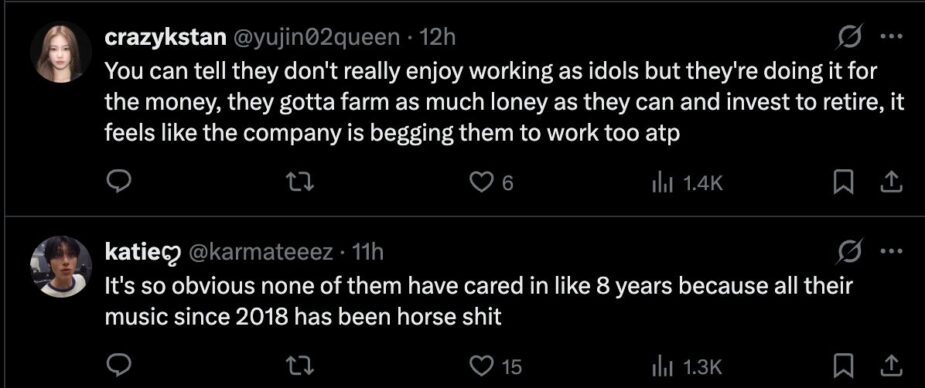
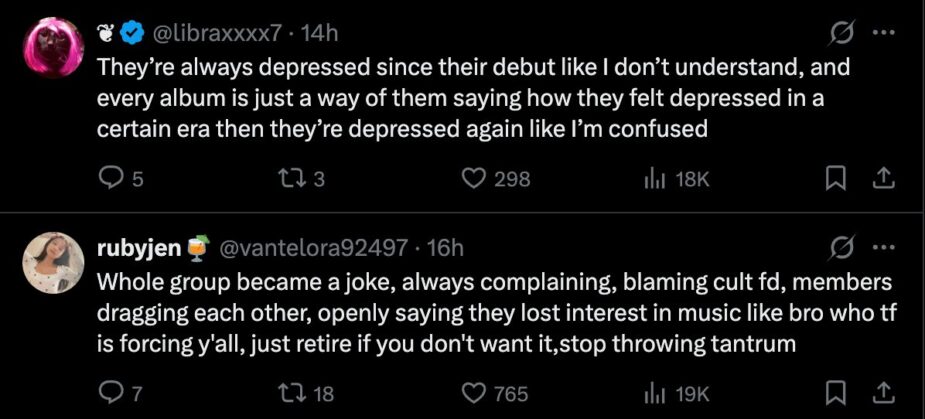
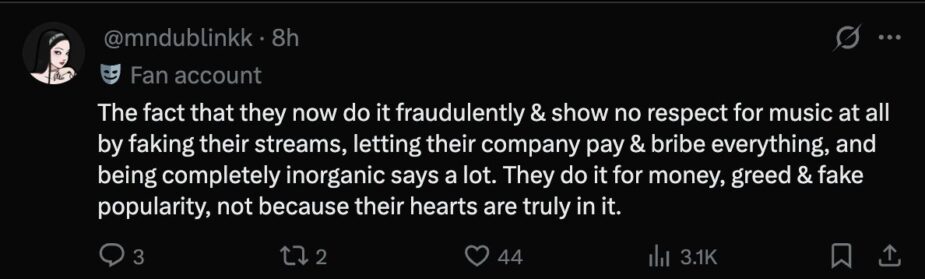
Supporters were quick to push back against those demands, emphasizing that expressing uncertainty does not equate to losing passion entirely. Instead, they framed J-Hope’s words as a reflection of emotional honesty — something rarely seen at his level of fame. Many argued that being able to question one’s own feelings is a sign of self-awareness, not a reason to quit.
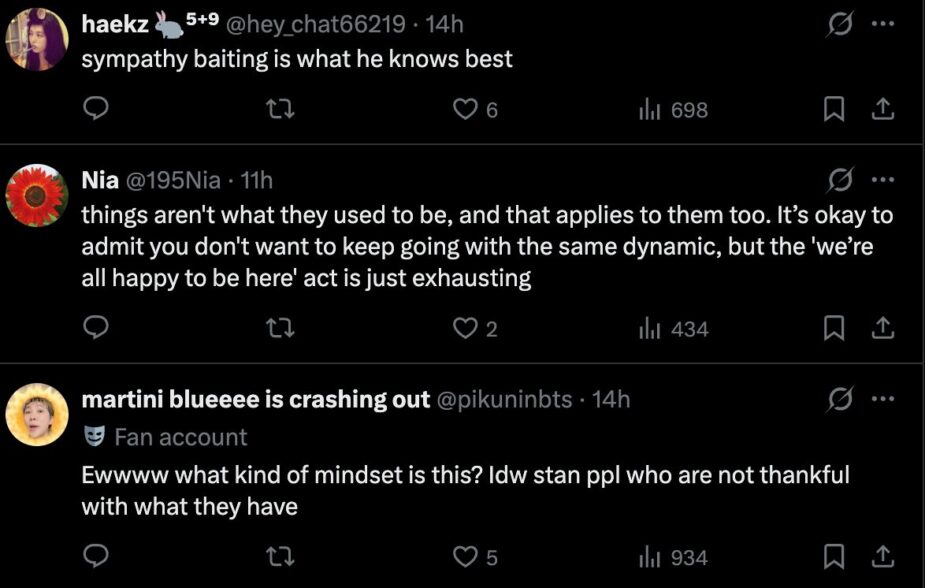
The situation highlights a broader conversation about how public figures are perceived when they show vulnerability. In an industry that often rewards unwavering confidence and enthusiasm, moments of doubt can be misunderstood or taken out of context. For artists like J-Hope, whose career has been built on energy, positivity, and performance, such admissions can feel especially jarring to audiences.
At the same time, others noted that his statement may reflect a deeper distinction between loving music as an art form and navigating it as a profession. The demands of maintaining a global career — from touring and recording to constant media attention — can change how that passion is experienced over time.
As of now, J-Hope has not addressed the backlash directly. But the conversation surrounding his words continues to grow, with fans and critics alike debating what it means to “love” one’s work — especially at the highest level of the entertainment industry.
Ultimately, the moment serves as a reminder that even the most successful artists are not immune to doubt. And while opinions remain divided, J-Hope’s honesty has undeniably opened up a larger discussion about burnout, authenticity, and the human side of global stardom.