RM of BTS has come under scrutiny following a report from Japanese media alleging that he smoked in restricted areas during a recent այց to Tokyo.
On April 22, Japanese weekly magazine Shukan Bunshun claimed that RM—whose real name is Kim Nam-joon—was seen smoking multiple times in places where it is prohibited. According to the report, these incidents occurred while he was visiting a tavern and a bar in the Shibuya district, with allegations that he smoked in a building corridor and near clearly marked no-smoking signs.
![theqoo] WEEKLY BUNSHUN: RM, trưởng nhóm BTS, liên tục hút thuốc ở khu vực cấm tại Nhật Bản và vứt đầu lọc thuốc lá → Tính đến hiện tại, công ty và](https://blogger.googleusercontent.com/img/a/AVvXsEhBmUjxffWjUGIQLPbukT9GLT3n6FnmDSIx8jPrRGWIPJEJn5KfUnpMkVJDPOXIvjJDzo4x6vbCoGsUFzuic_UH_UOPnmMTedd3kCfzyLbFrx5Qn4k4KtvWzCqoM4pAyohKY3quYlSpb1mZvgQ5aZ1oVCp314oIRT7MaixhVxb42tYq0vo9K_fc0HvYbpBS)
The report further alleged that RM discarded a cigarette butt on the ground, prompting a warning from a security guard at the scene. In Japan, public smoking regulations are notably strict, with street smoking widely restricted. Instead, smokers are expected to use designated smoking rooms or clearly marked areas.
The controversy comes shortly after BTS concluded two major performances at the Tokyo Dome on April 17 and 18 as part of their ongoing Arirang World Tour. The tour supports their latest release, Arirang, the group’s first full-length album in three years and nine months.

According to Shukan Bunshun, reporters had been closely following BTS members during their stay in Japan, ultimately leading to the publication of the allegations. However, no official evidence beyond the report has been publicly confirmed.
As of now, neither RM nor his agency HYBE has issued an official statement addressing the claims. The lack of response has fueled ongoing discussion online, with fans and netizens divided over the situation—some calling for clarification, while others question the reliability of tabloid reporting.
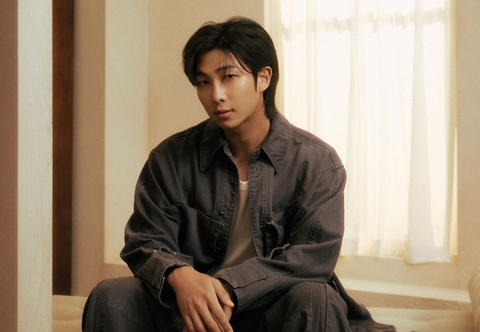
The timing of the controversy adds further attention, as BTS has just returned to the global stage with a large-scale tour spanning North America, Europe, South America, and Asia. With the group actively promoting their new album and reconnecting with fans worldwide, any controversy involving a member is likely to draw significant public interest.

Until an official response is released, the situation remains unconfirmed, with much of the discourse driven by speculation and media interpretation.