With just over three months remaining until the South American leg of BTS’s highly anticipated “Arirang” World Tour, thousands of dedicated ARMY members have taken to the streets of Santiago, Chile, in a passionate demonstration calling for the group’s concerts to be held at the iconic National Stadium. The protests highlight growing frustration over delays in venue approval, turning what should be a celebratory milestone into a point of significant contention.
Fans gathered in the heart of Chile’s capital with banners and chants urging authorities to bring BTS to the Estadio Nacional. The wave of opposition intensified after Chile’s National Institute of Sports (IND) has yet to approve the rental of the stadium for three scheduled shows on October 14, 16, and 17, 2026. These dates form a key part of the tour’s South American leg and are among the most eagerly awaited stops for regional fans.
Tickets for the shows went on sale as early as April 2026 and sold out rapidly through organizer DG Medios. However, the company has been unable to finalize the venue contract due to ongoing negotiations with IND. The primary obstacle revolves around the ambitious production scale planned by BTS and their team. Reports indicate a 360-degree stage setup positioned in the center of the field, weighing approximately 600 tons. Installation and dismantling would take around nine days, requiring extensive coverage of the grass pitch and the movement of heavy technical equipment.

IND has expressed concerns that such an intensive setup could damage the field’s quality. The National Stadium serves as a multi-purpose venue and must accommodate numerous important events through the end of the year, including matches for the Chilean national team, Club Universidad de Chile, and various community and sports activities. Maintaining the pitch’s condition and adhering to the existing schedule remain top priorities for the institute.
Adding to the complications, organizers reportedly began selling tickets before securing full approval, which has created additional bureaucratic hurdles during the review process. The situation has quickly transcended a simple entertainment logistics issue, drawing attention from Chile’s political sphere. Opposition lawmakers have demanded transparency regarding the approval procedures and the public release of related documents. They argue that failing to facilitate a major cultural event of this magnitude could harm Chile’s international image and its events industry.
In response to mounting public pressure and the vocal ARMY community, Chilean officials announced on July 6 that they would consider conditional approval if organizers implement adequate protective measures for the pitch that meet technical standards. While this development offers a glimmer of hope, a final agreement has not yet been reached, leaving fans anxious about the concerts’ future.
The “Arirang” World Tour marks BTS’s grand reunion following the completion of mandatory military service by all seven members — RM, Jin, Suga, J-Hope, Jimin, V, and Jungkook. The tour, which celebrates their enduring legacy and artistic evolution, is set to traverse major cities across Asia, Europe, and the Americas. For many ARMY, the South American dates hold special significance, representing not just a concert but a long-awaited celebration of connection between the group and their global fanbase.
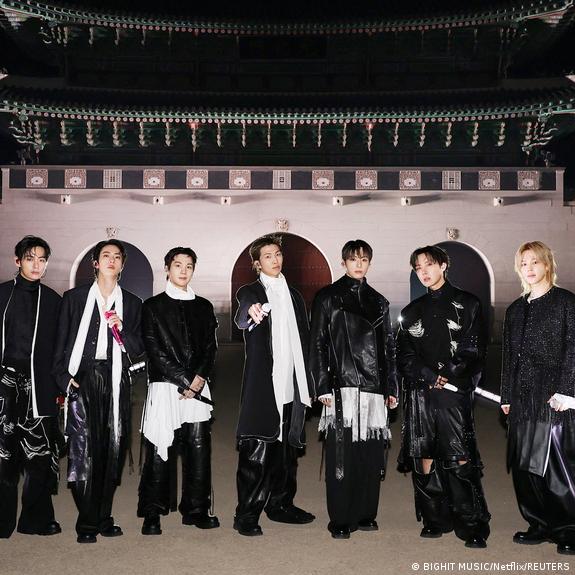
BTS has consistently broken records and pushed boundaries throughout their career, becoming one of the most influential musical acts worldwide. Their post-military return has been met with immense excitement, with “Arirang” promising spectacular productions that reflect the group’s growth. However, venue challenges like the one in Chile underscore the complex logistics behind large-scale tours, particularly when balancing artistic ambitions with local infrastructure constraints.
The protests in Santiago reflect the deep passion of ARMY, a fandom known for its organization, activism, and loyalty. Fans have used social media to amplify their voices, sharing stories of how BTS’s music and message have impacted their lives and calling for a swift resolution. Many emphasize that approving the event could boost tourism, local economy, and cultural exchange for Chile.
As negotiations continue, both sides are under pressure to find a mutually beneficial solution. Organizers are reportedly exploring alternative protective systems for the field, while IND evaluates the feasibility amid the tight timeline. For ARMY in Chile and across South America, the hope remains that the National Stadium — a symbol of national pride and historical significance — will host BTS, creating memories that will last a lifetime.
The coming weeks will be critical. A positive resolution would not only fulfill fan dreams but also reinforce Chile’s reputation as a welcoming destination for world-class entertainment. Until then, the streets of Santiago and online platforms continue to echo with calls for BTS to shine on one of the country’s most prestigious stages.