What was supposed to be one of the most anticipated stops of BTS’s ARIRANG world tour instead became the center of controversy after serious organizational issues reportedly disrupted the concert experience before the members even stepped on stage.
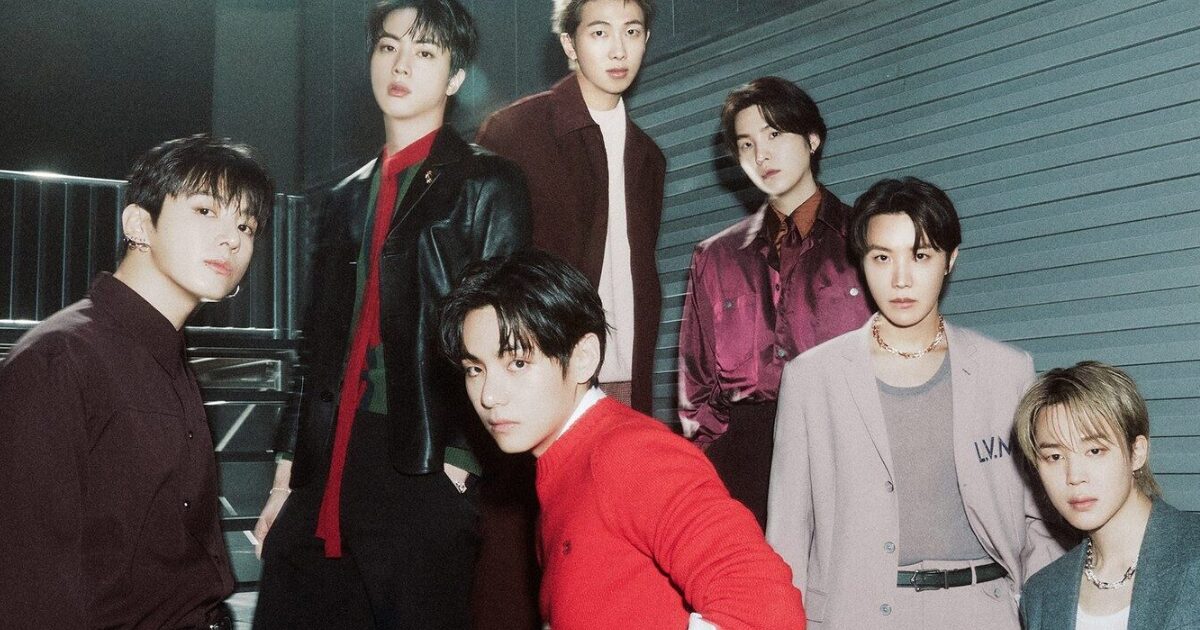
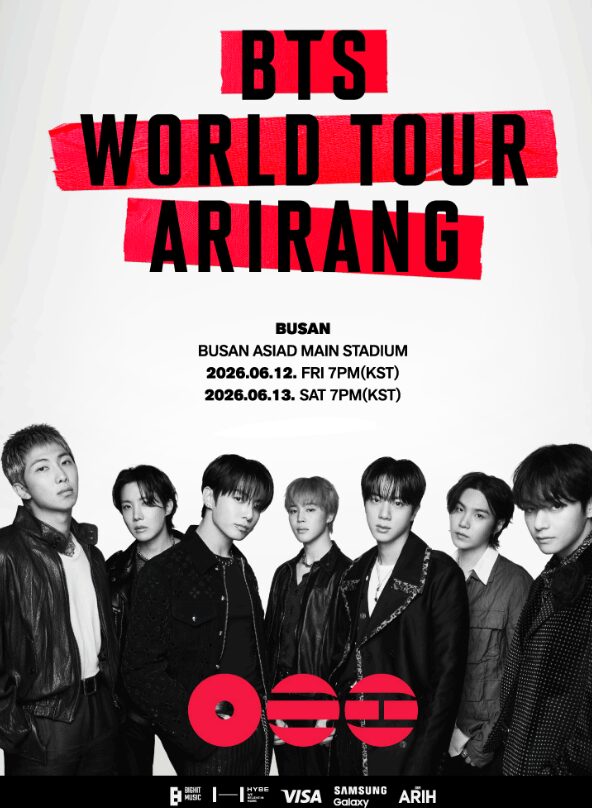
On June 12, thousands of fans gathered at the Busan Asiad Main Stadium for the first of BTS’s two scheduled Busan concerts. Excitement had been building for weeks, with fans traveling from across South Korea and overseas to attend the highly anticipated event.
However, as the scheduled 7:00 p.m. start time approached, concern began spreading rapidly across social media.
Videos posted by concertgoers appeared to show massive crowds still waiting outside the venue just minutes before the concert was supposed to begin. Long lines stretched across entry areas, and many attendees reported confusion regarding admission procedures and the collection of special fan gifts.
As more footage surfaced online, frustration among fans grew. Many questioned how such significant delays could occur at one of the largest concerts of the year, especially given the scale of preparation typically associated with BTS events.
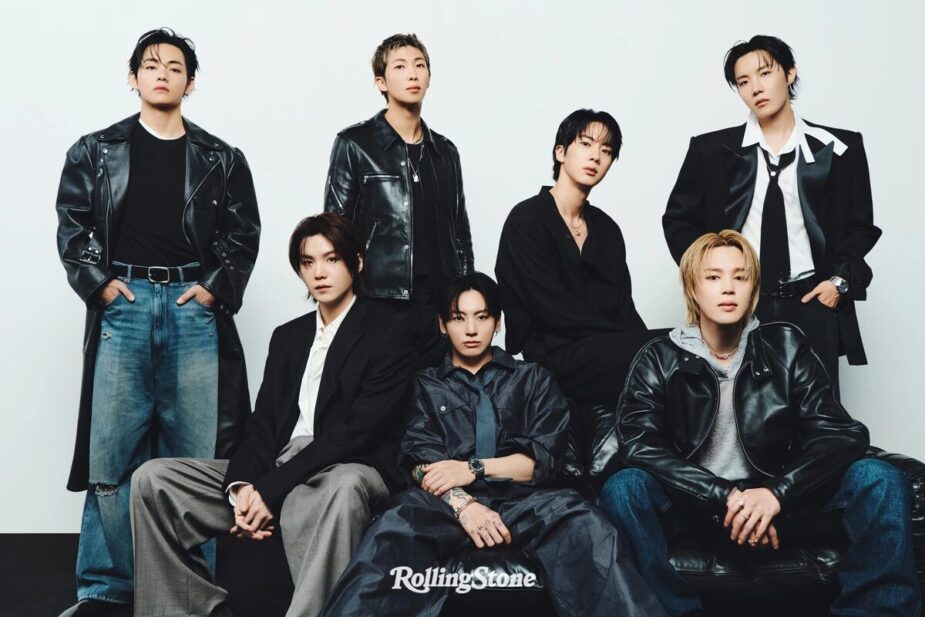
The situation became even more notable when BTS members themselves appeared to acknowledge the problem.
According to fans following the event in real time, several members communicated through online fan platforms while waiting backstage. Messages shared during the delay suggested that the group was already prepared to perform and had been ready well before the scheduled start time.
Some fans interpreted these messages as evidence that the delay was not caused by the artists themselves but rather by difficulties related to venue operations and crowd management.
The members’ comments quickly became a major talking point online.
Many ARMYs praised BTS for keeping fans informed and trying to ease concerns during the unexpected wait. Others believed the messages revealed the members’ own disappointment that the concert could not begin as planned.
As discussions intensified, attention shifted toward the event’s organizational structure.
Numerous fans argued that the entry process appeared overwhelmed by the volume of attendees. Others speculated that distribution systems for concert benefits and gifts may have contributed to bottlenecks that slowed admission into the stadium.
While official details regarding the exact cause of the delays remain limited, many attendees expressed frustration that thousands of fans were still outside the venue so close to the scheduled start time.
The incident also sparked broader conversations about concert logistics and crowd safety.

Some fans pointed out that delays of this magnitude create unnecessary stress for attendees who have often spent significant amounts of money and time traveling to major events. Others noted that large-scale crowd congestion can quickly become a safety concern if not managed effectively.
Despite the problems before the show, many attendees later reported that the atmosphere inside the stadium improved once the concert finally got underway. The performance itself received positive reactions from fans who praised BTS’s energy and professionalism throughout the night.
Nevertheless, the controversy surrounding the delayed entry overshadowed much of the pre-concert excitement and generated widespread criticism online.
What particularly resonated with fans was the perception that BTS members were aware of the difficulties unfolding outside and appeared concerned about the experience of those still waiting to enter. As a result, many fans expressed sympathy for the group, arguing that the artists should not have to bear the consequences of operational issues beyond their control.
The incident has since become one of the most discussed topics among ARMYs following the Busan show, with many calling for clearer communication and improved crowd management ahead of future tour dates.
For now, the focus remains on ensuring that the second Busan concert proceeds more smoothly. But the first night has already left a lasting impression—not because of what happened on stage, but because of the challenges thousands of fans faced before the music even began.