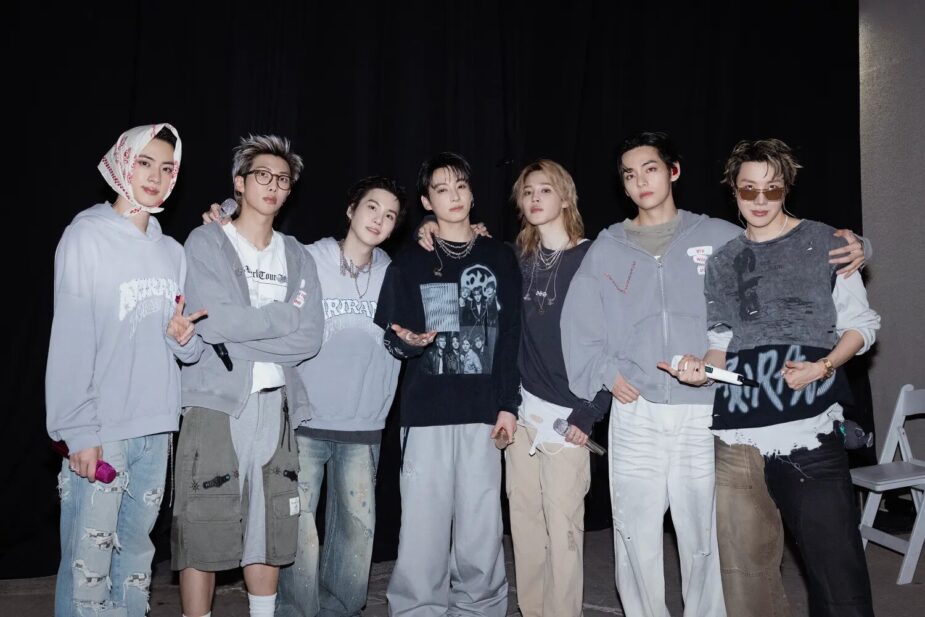
In the vibrant yet often scrutinized world of K-pop fandom, the unbreakable bond between artists and their supporters frequently blurs the lines of devotion and personal boundaries. A recent video circulating widely on social media has ignited intense debate, highlighting one such moment where enthusiasm crossed into territory many observers deem excessive. The clip, purportedly from a recent BTS concert, captures devoted ARMY members lingering at the venue afterward, eagerly sharing and consuming remnants from a water bottle reportedly used by one of the group’s members.
The footage, initially posted by a BTS fan account on TikTok, shows fans discovering a bottle marked with the number “7”—widely interpreted as belonging to a specific member, given the group’s iconic lineup. Rather than discarding it, the individuals took turns sipping from the same straw, finishing whatever liquid remained, and even posing for commemorative photos with the prized item. What began as a seemingly innocent act of admiration quickly escalated into a global spectacle, drawing sharp criticism and ridicule across platforms like X (formerly Twitter), Instagram, and various online forums.
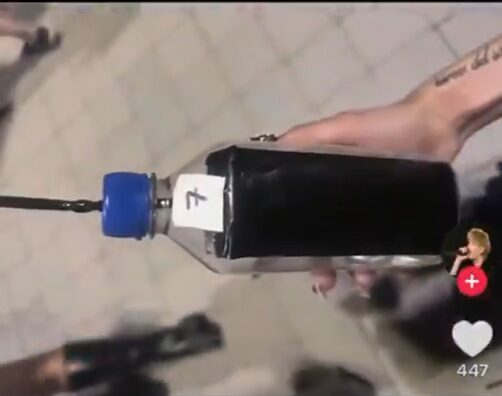
Critics have not minced words. Many netizens labeled the behavior as “socially delusional” or deeply unsettling, arguing it exemplifies an unhealthy level of parasocial attachment. Comments ranged from mocking memes to outright concern, with some questioning the hygiene implications and the psychological intensity of fandom culture in the digital age. “This isn’t admiration anymore; it’s crossing into something uncomfortable,” one viral post read, encapsulating the sentiment of detractors who view such actions as emblematic of broader issues within passionate fan communities.
This incident is not isolated but reflects deeper dynamics within K-pop. BTS, the global phenomenon known for their chart-topping hits, intricate choreography, and genuine connection with fans, has cultivated one of the most dedicated followings in music history. ARMY’s loyalty has propelled the group to unprecedented heights, from breaking records on Billboard to influencing cultural conversations worldwide. Yet, this very passion can sometimes manifest in ways that invite scrutiny. The water bottle episode taps into long-standing discussions about fan-idol interactions—where gestures of appreciation risk veering into obsession.
cest dégueulasse ptdr pic.twitter.com/0xnWcAl635
— lili⁷ 🪭 (@7hue_) July 7, 2026
Context adds nuance. Concert venues are high-energy environments where dehydration is a real concern amid hours of dancing and screaming. Members like V (Kim Taehyung) have been praised in similar scenarios for sharing water directly with fans during performances, such as pouring it into mouths at barricades in Madrid during the Arirang tour. These moments often stem from genuine care, especially in sweltering conditions, and have been celebrated by many as heartwarming fan service. However, post-show scavenging of used items shifts the narrative from spontaneous kindness to ritualistic collecting.
Psychologists and cultural commentators often point to the intense emotional investment in idols as a coping mechanism for fans seeking belonging, especially among younger demographics navigating personal challenges. In an era of social media amplification, every fan action becomes magnified. What might have been a private, quirky memento turns into public fodder, fueling both adoration and derision. The “number 7” bottle, in particular, became a symbol: for supporters, a tangible link to their heroes; for outsiders, evidence of overstepping.
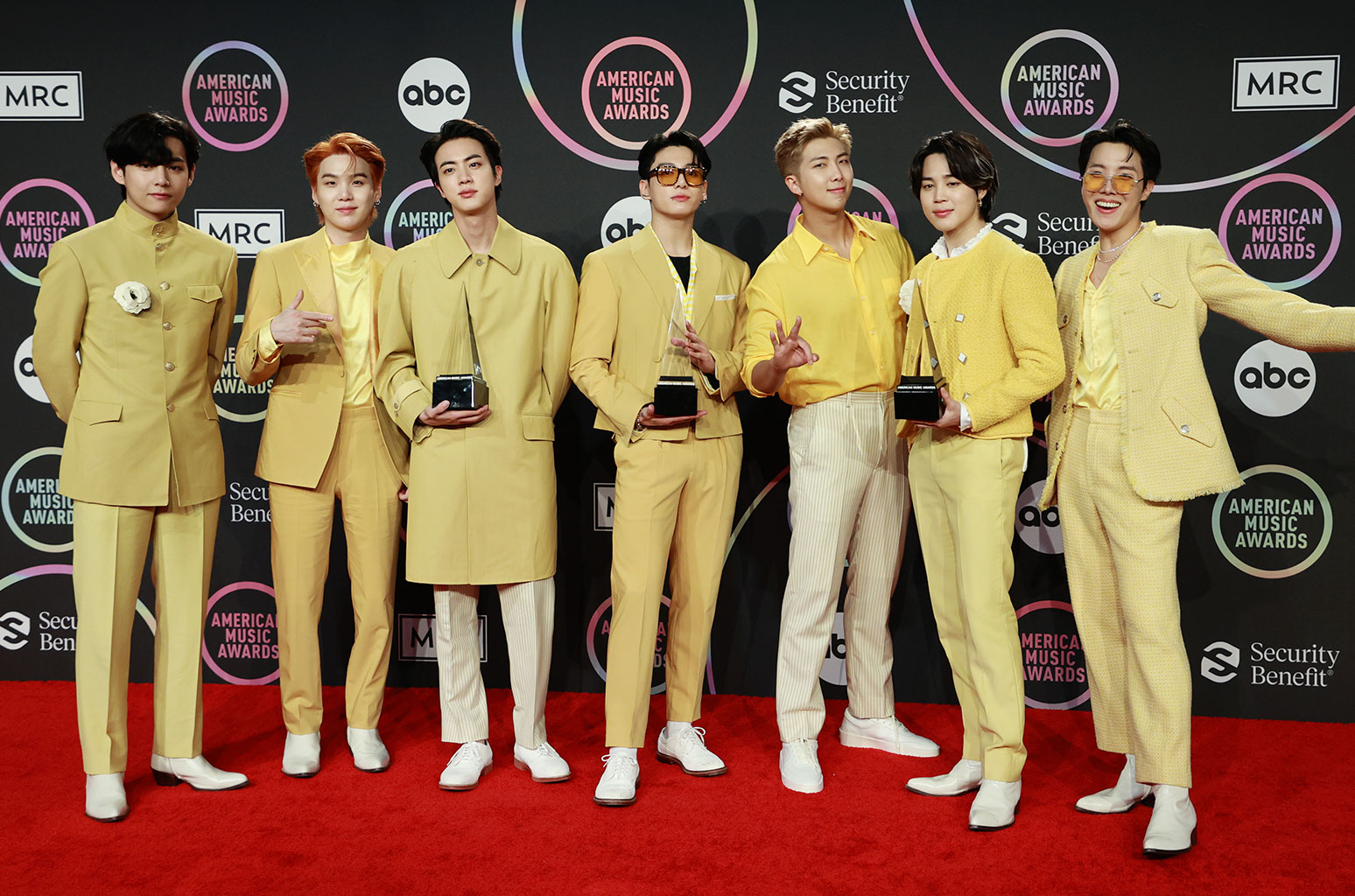
The backlash underscores ongoing tensions in celebrity culture. K-pop agencies invest heavily in crafting accessible, relatable personas for idols, encouraging fan engagement through live streams, merchandise, and concert experiences. Yet boundaries remain crucial. Incidents like this prompt reflections on consent, privacy, and respect—not just from fans toward artists, but within the community itself. Some ARMY voices have joined the conversation, urging peers to prioritize healthier expressions of love, such as supporting the group’s music, charitable initiatives, or creative projects rather than physical relics.
BTS’s influence extends far beyond entertainment. Their music addresses mental health, self-love, and societal pressures, resonating with millions. Members have spoken openly about the pressures of fame and the need for personal space. Moments like the water bottle sharing, while rooted in affection, risk undermining that by blurring public and private spheres. As one observer noted, true fandom should uplift rather than provoke discomfort or health concerns.
Social media’s role cannot be overstated. Algorithms thrive on controversy, propelling such videos into viral territory where context often gets lost. What starts as a TikTok snippet evolves into heated threads, with users dissecting intent, hygiene, and implications. This cycle perpetuates division, pitting “understanding” fans against critics and even fracturing the fandom.
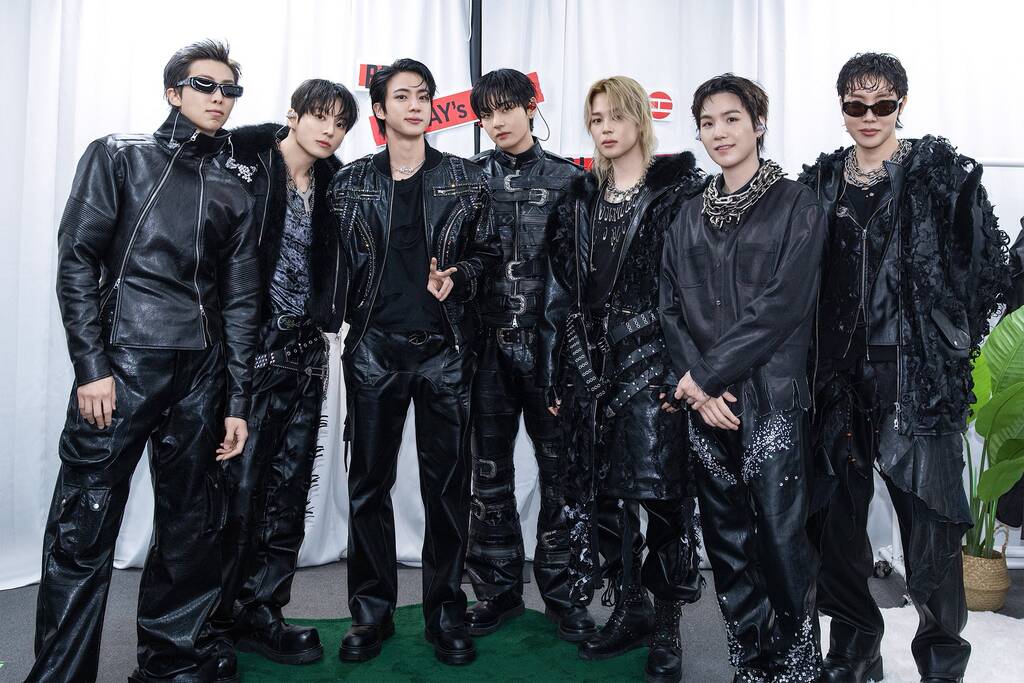
Ultimately, this episode serves as a mirror to the complexities of modern fandom. It celebrates the profound joy idols bring while cautioning against excesses that invite judgment. For BTS and ARMY, navigating this balance remains key as the group continues its journey. Whether through chart dominance, meaningful messages, or stage charisma, their connection endures—but perhaps with clearer boundaries, it can flourish more sustainably.
As debates rage on, one thing is clear: the passion of BTS fans is undeniable. Channeling it constructively could strengthen the community, ensuring admiration enhances rather than complicates the artist-fan relationship. In the spotlight of global scrutiny, lessons from this viral moment may guide future interactions toward greater respect and positivity.