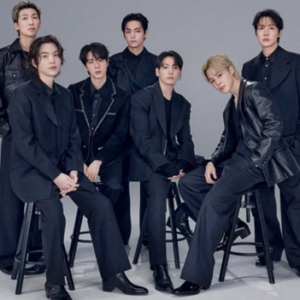
BTS has received another extraordinary welcome in North America, and this time the honor comes from an entire U.S. state. Illinois Governor J.B. Pritzker has officially proclaimed August 27 and 28, 2026, as “BTS Day in Illinois,” coinciding with the group’s highly anticipated return to Chicago for two sold-out concerts at Soldier Field. The proclamation recognizes BTS not simply as global music stars, but as artists whose influence has extended into mental health awareness, self-love, philanthropy and community engagement. It also highlights the charitable activities of ARMY, the group’s global fandom, whose grassroots campaigns have repeatedly transformed admiration for BTS into donations and community service. The declaration has therefore become much more than a ceremonial welcome, marking another striking example of how BTS’s cultural influence is being recognized at the governmental level.
The timing of the proclamation is particularly significant because BTS is returning to Chicago after more than seven years away from Soldier Field. The group last performed at the stadium in May 2019 during the Love Yourself: Speak Yourself world tour, when more than 100,000 fans attended across two sold-out nights. Their upcoming August 27 and 28 performances are part of the massive ARIRANG World Tour and represent another major chapter in BTS’s return to full-group activities. The fact that both Chicago shows are sold out makes the state-wide celebration even more meaningful, because Illinois is preparing to welcome not only seven Korean artists but thousands of fans traveling into the state. In other words, BTS Day arrives at the intersection of music, tourism, culture and a major economic event for Chicago.
Governor Pritzker’s proclamation also reveals why Illinois chose to recognize BTS in such an official way. Rather than focusing exclusively on the group’s commercial success, the document points to BTS’s advocacy around mental health, self-love and philanthropy. It argues that these values align with Illinois’ civic principles and recognizes the way BTS has encouraged millions of fans to participate in community service and charitable giving. That distinction matters because it places BTS within a broader cultural conversation rather than treating the group as simply another entertainment act passing through Chicago. The state is effectively acknowledging that the group’s influence has created communities that exist beyond the concert venue. For ARMY, this may be particularly meaningful because charitable activism has become one of the most visible ways the fandom expresses its connection to BTS.

One of the clearest examples is BTS’s long-running LOVE MYSELF campaign with UNICEF. The initiative has used BTS’s global platform to promote messages surrounding violence prevention, emotional wellbeing and self-respect, while encouraging fans to participate in related charitable efforts. Over the years, those messages have helped create a relationship between BTS and its audience that extends beyond music consumption. Fans are not simply being asked to buy albums or attend concerts; they have repeatedly organized fundraising campaigns and community projects inspired by the group’s values. Illinois’ proclamation specifically acknowledges this wider impact, effectively giving official recognition to the idea that ARMY itself has become part of BTS’s cultural footprint. That is a significant reason why “BTS Day” carries more weight than a conventional celebrity welcome.
The scale of BTS’s return to Chicago also explains why local officials have strong reasons to embrace the event. Thousands of fans are expected to travel into the city for the two concerts, creating additional activity for hotels, restaurants, transportation services, retailers and other local businesses. Chicago is also preparing a series of fan-oriented cultural activities around the concerts, meaning the BTS presence will extend beyond Soldier Field. Fan gatherings have been planned in areas including Downtown and Chinatown, turning the concert weekend into a broader city-wide celebration. From a local-government perspective, the arrival of a global fandom on this scale represents an opportunity to promote Chicago as a major cultural destination. BTS Day is therefore both a symbolic gesture and a recognition of the tangible economic and tourism impact generated by the tour.
The Chicago skyline is also expected to become part of the celebration. Willis Tower is scheduled to illuminate in purple on August 27 and 28, creating a visual tribute to BTS and its fandom. Purple has become deeply associated with BTS and ARMY through the phrase “Borahae,” commonly translated as “I purple you,” which has evolved into a symbol of affection between the group and its fans. The proposed lighting therefore serves as more than simple decoration. It visually transforms the city into a backdrop for BTS’s arrival, making the celebration visible even to people who are not attending the concerts. Combined with the official state proclamation, the purple skyline reinforces the impression that BTS is temporarily becoming part of Chicago’s public cultural identity.

What makes Illinois particularly interesting is that it is not the first North American jurisdiction to give BTS an unusually warm welcome during the ARIRANG tour. Toronto previously designated the weekend of BTS’s concerts as “BTS Weekend” and temporarily renamed a section of a road “BTS Boulevard.” Maryland Governor Wes Moore released a Korean-subtitled welcome video ahead of BTS’s Baltimore performance, while El Paso County in Texas declared the concert period “El Paso BTS Weekend” and presented the members with an “Estimado Amigo” award. These gestures create a pattern that is difficult to dismiss as isolated fan enthusiasm. Different governments and communities are independently recognizing BTS as a cultural attraction capable of generating civic excitement and international visibility. Illinois’ decision therefore feels like the latest escalation in a broader North American welcome campaign.
The Toronto example is especially revealing because it shows how BTS fandom can influence a city’s public environment. When a road is temporarily associated with BTS and concert dates become an official weekend celebration, the group moves from the entertainment section of the cultural landscape into the physical identity of the city. Illinois has taken that concept even further by declaring BTS Day across the entire state rather than limiting the recognition to Chicago. That distinction is important because Soldier Field is located in one city, while the proclamation covers a much larger geographic area. It suggests that officials understand the concerts as an event with statewide visibility and economic consequences. BTS is effectively being treated as a major cultural visitor rather than simply a touring music act.

There is also an important historical element behind this particular Chicago return. BTS’s 2019 Soldier Field concerts were already considered significant because the group became the first K-pop act to hold a standalone concert at the stadium. At that point, BTS was still in the process of transforming from an enormously successful Korean group into one of the most recognizable music acts in the world. Seven years later, they are returning to the same venue after an extended period in which the members pursued individual activities and completed their mandatory military service. The contrast between 2019 and 2026 gives the Chicago shows a natural sense of historical continuity. Their return is not simply another tour stop; it is a reunion with a city where BTS had already demonstrated the extraordinary scale of its American audience.
That makes “BTS Day” symbolically powerful for another reason: it arrives during a period in which BTS has already demonstrated that its influence has survived the group’s temporary absence from full-scale touring. The ARIRANG World Tour began in South Korea in April and has continued through major international markets across Asia, North America, Europe and Latin America. Rather than returning to a diminished audience after their hiatus, BTS has encountered stadium-level demand and highly organized fan communities across multiple countries. The Chicago proclamation adds a governmental layer to that comeback story. It suggests that the group’s return is being recognized not merely by fans but by institutions that see measurable cultural and economic value in their arrival.
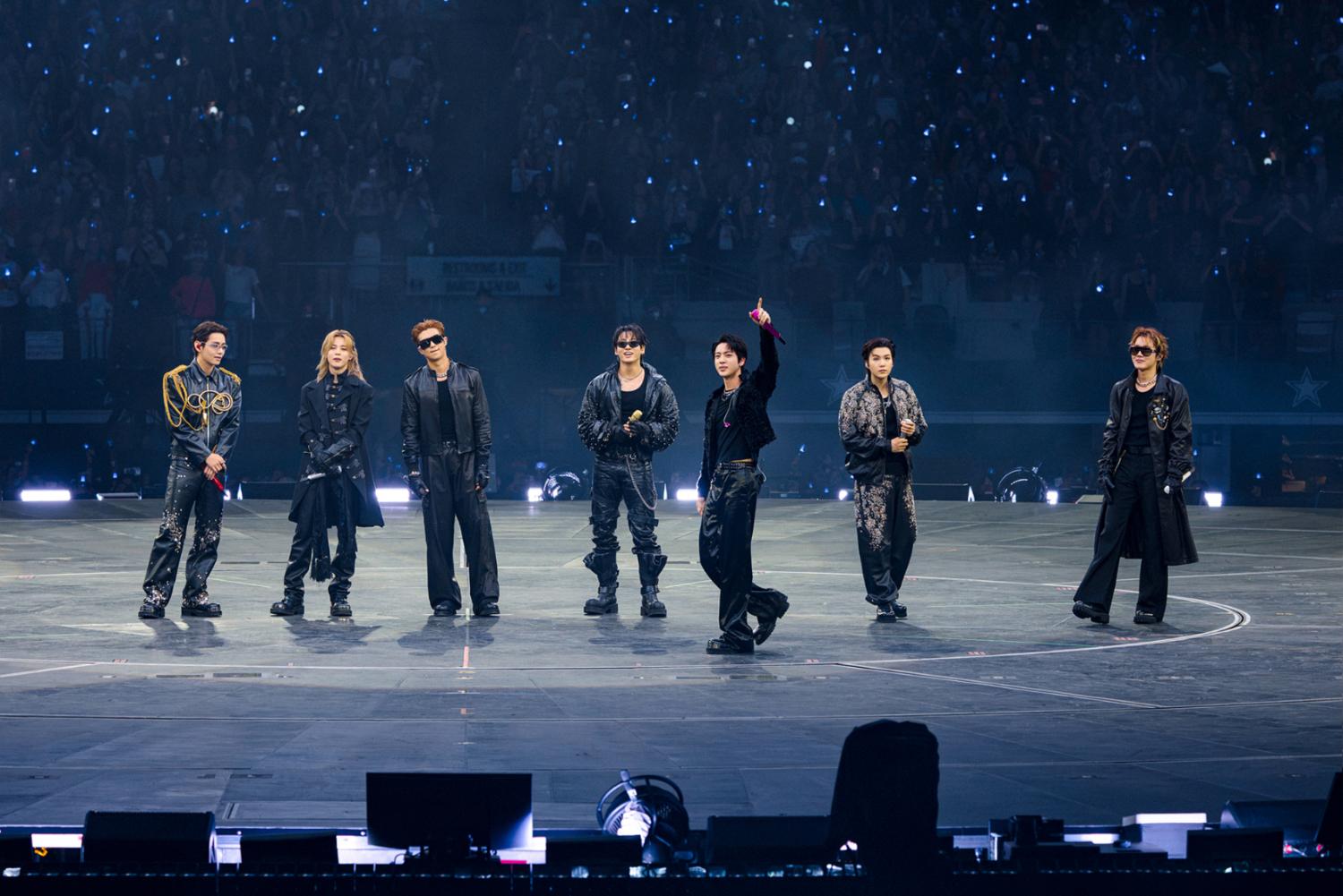
The wording of the proclamation is perhaps more revealing than the title itself. By emphasizing mental health, self-love and philanthropy, Illinois is choosing to celebrate the values associated with BTS rather than simply listing their musical achievements. That framing allows the state to present the group as an example of cultural influence that extends beyond entertainment. It also gives ARMY a central role in the narrative because the proclamation explicitly recognizes the fandom’s community service and charitable giving. In effect, the honor is being shared between BTS and the people who have amplified the group’s message around the world. That is a much more sophisticated form of celebrity recognition than simply declaring a day because a famous performer happens to be visiting.
There is another fascinating dimension to the Illinois celebration: it demonstrates how Korean popular culture has become increasingly normalized within American civic life. A state government formally recognizing a K-pop group would have been difficult to imagine at the beginning of BTS’s career. Today, the same group can arrive in an American city to sold-out stadium shows while government officials, community organizations and local businesses coordinate around the event. This is not simply evidence of K-pop becoming popular; it shows how deeply Korean cultural exports have entered mainstream American public life. BTS is functioning as a cultural bridge, bringing Korean music and fandom culture into direct contact with local American communities. Illinois’ proclamation is therefore another small but highly visible marker of that broader cultural transformation.
For ARMY, however, the most emotional part may simply be seeing BTS welcomed back to a place that already carries history for the group. The 2019 Soldier Field performances happened during a period when BTS was rapidly expanding its global presence, while the 2026 concerts arrive after years of uncertainty about when fans would once again see all seven members touring together. The return to the same stadium creates a natural before-and-after moment. In 2019, BTS was proving how far K-pop could travel; in 2026, the state of Illinois is effectively acknowledging how far that influence has grown. The declaration of BTS Day gives that journey an official stamp. For fans who remember the 2019 shows, the symbolism is difficult to miss.
At the same time, the “VIP treatment” BTS has received across North America should not be reduced to a competition over which city can offer the most spectacular tribute. Toronto, Maryland, El Paso and now Illinois have each celebrated BTS in different ways, reflecting local communities and circumstances. What connects them is the recognition that BTS concerts can bring together people across cultural, linguistic and generational boundaries. The group’s ability to attract international visitors creates opportunities for cities to promote tourism, while its philanthropic reputation gives officials a positive cultural narrative around the events. That combination makes BTS unusually attractive as a civic partner, even when the interaction remains symbolic rather than formal.
Ultimately, Illinois declaring August 27 and 28 “BTS Day” is significant because it captures just how far BTS has traveled from its early days as a Korean idol group. The state is not merely preparing for two sold-out concerts; it is recognizing a cultural phenomenon that has generated charitable movements, international fandom communities and substantial economic activity. With Soldier Field preparing to welcome BTS back for the first time since 2019 and Chicago itself preparing purple lights and fan celebrations, the group’s return is becoming a city-wide event rather than a two-night performance. And perhaps that is the clearest measure of BTS’s evolution: they once needed to convince the world that a Korean group could fill an American stadium, but now an entire U.S. state is declaring two days in their honor before they even walk onto the stage.