In the high-stakes world of reality television, where first impressions can make or break a contestant’s journey, one participant on Netflix’s Better Late Than Single 2 has found himself at the center of an unforgiving online firestorm. Kim Jae Seo, a 32-year-old contestant whose distinctive appearance turned heads from the very first episode, has become the subject of intense scrutiny following a much-hyped makeover segment that many viewers now deem an outright failure. What began as a well-intentioned attempt to refresh his image has instead sparked widespread criticism, with netizens passionately defending his original look while lambasting the new one.
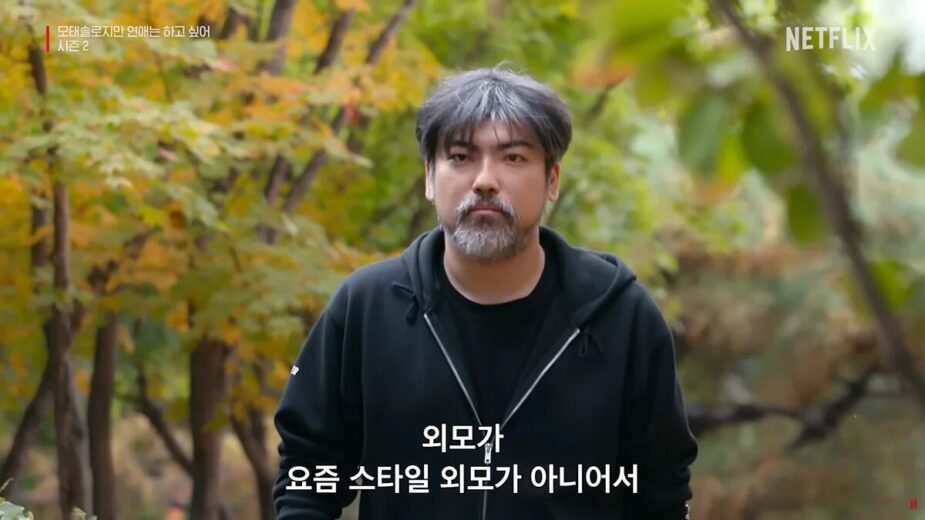
Kim Jae Seo made an immediate impact upon entering the show’s carefully curated dating arena. His unconventional visuals—marked by a striking head of prematurely gray hair paired with a matching salt-and-pepper beard—set him apart in a cast typically filled with polished, youthful contenders. Panelists and audiences alike drew comparisons to the indie singer-songwriter Car the Garden, noting an artistic, almost ethereal quality to his features that blended maturity with an intriguing, bohemian edge. Far from being deterred by his appearance, many were captivated by the contrast between his striking looks and his impressive professional background. A KAIST mathematics graduate who later thrived as a game developer for the globally renowned PUBG: Battlegrounds, Kim represented a compelling blend of intellect, creativity, and quiet confidence.
Yet, in the transformative spirit typical of dating shows, producers orchestrated a complete makeover designed to align him more closely with conventional attractiveness standards. The results, however, have provoked the opposite of the intended enthusiasm. Instead of elevating his appeal, the changes appear to have stripped away the very qualities that made him memorable, leaving many fans and commentators lamenting what they see as a lost opportunity.
Online communities, particularly Korean forums like Theqoo, have erupted with candid and often scathing commentary. Discussions have drawn thousands of reactions, with users dissecting every element of the new styling—from the ha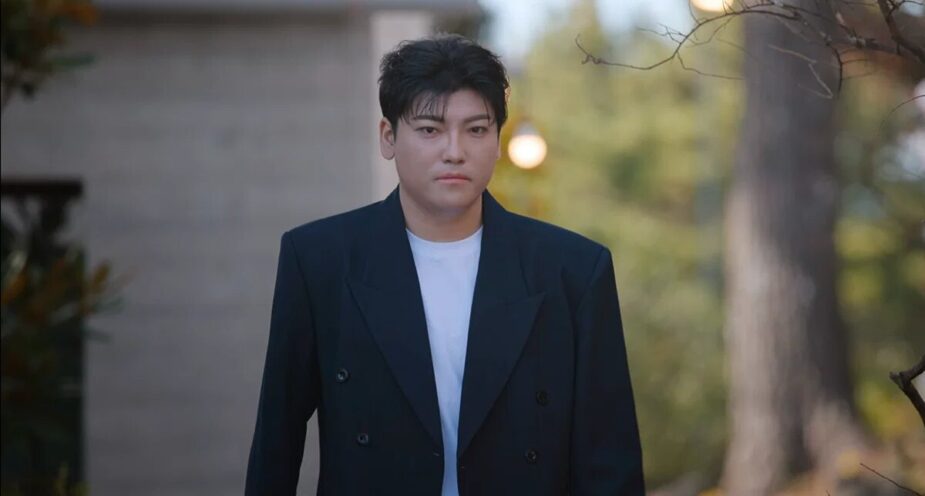 ircut and makeup to the wardrobe choices. One commenter remarked that the updated look evoked characters from a live-action Japanese film adaptation, suggesting that a simple tweak in makeup might have salvaged it. Others were more direct, declaring the original version “more hip” and possessing a superior vibe that the makeover had sadly extinguished.
Critics have not minced words. “I don’t know which hair and makeup salon it was, but don’t ever go there again,” one frustrated netizen wrote, capturing the prevailing sentiment. Comparisons to baseball player Choo Shin-soo’s appearance in the “after” photos have circulated widely, with several observers arguing that the pre-makeover Kim would likely have garnered greater popularity. Some defended the charm of his natural style, questioning the necessity of the overhaul in the first place: “I actually find that look charming. I’m sure there are people who like that style—so I don’t get why they’re doing a makeover.” Questions about the coherence of the hair, makeup, and outfit choices have dominated threads, highlighting a perceived disconnect between the contestant’s authentic presence and the imposed transformation.
This backlash reveals deeper tensions within reality dating programming. Shows like Better Late Than Single thrive on the promise of reinvention, positioning makeovers as pathways to newfound confidence and romantic success. Yet they often walk a fine line between enhancement and erasure. In Kim’s case, the changes seem to have homogenized what was uniquely compelling about him—his lived-in sophistication and intellectual depth—into something more generic and, according to critics, less visually harmonious. The episode underscores how subjective beauty remains, even in an era dominated by algorithmic ideals and heavily curated aesthetics. What producers viewed as an upgrade, a significant portion of the audience experienced as a downgrade, sparking conversations about authenticity versus marketability in the competitive landscape of love-themed content.

Kim Jae Seo’s background adds poignant layers to the narrative. His academic excellence at KAIST, one of South Korea’s most prestigious institutions, followed by contributions to a cultural juggernaut like PUBG, paints a portrait of a man whose value extends far beyond surface-level appeal. In an industry that frequently reduces participants to their visual marketability, his story resonates as a subtle critique of superficial judgments. Supporters argue that his original gray-haired, mature aesthetic projected quiet self-assurance and artistic sensibility—qualities that could have sparked more meaningful connections than a forced alignment with fleeting trends.
The controversy also reflects broader cultural conversations in K-entertainment about aging, personal style, and societal expectations. Premature graying, once potentially stigmatized, has increasingly been reclaimed as a mark of distinction or effortless cool in certain creative circles. By attempting to “correct” this feature, the show may have inadvertently dismissed a form of natural charisma that many viewers found refreshing amid a sea of similar-looking contestants.
As Better Late Than Single 2 continues to unfold, Kim Jae Seo’s journey serves as a compelling case study in the unpredictable alchemy of reality TV. While the makeover may not have won over the internet, it has undeniably amplified his visibility. Whether this heightened attention translates into stronger audience support or becomes a cautionary tale about the perils of unnecessary reinvention remains to be seen. In the meantime, the fervent online discourse stands as a testament to the passionate investment viewers place in these shows—and a reminder that sometimes, the most magnetic qualities are the ones that defy conventional makeovers.