A deeply disturbing conspiracy theory targeting IU is spreading across social media, with viral posts attempting to link her to the tragic deaths of Sulli, Goo Hara, and Kim Sae Ron.

The theory, which has circulated heavily on X in recent days, centers around extremely speculative claims involving psychiatric treatment, old interviews, and selectively framed media headlines. None of the allegations presented online have credible evidence connecting IU to the deaths of these artists.

Much of the discourse stems from old reports mentioning that Sulli’s brother once said IU had recommended a psychiatric clinic to Sulli. Online conspiracy accounts then began connecting that clinic to other celebrities who reportedly received treatment there, including Goo Hara and Jonghyun.

From there, the narrative spiraled rapidly into baseless accusations.
Posts started citing anonymous YouTube comments criticizing a psychiatrist allegedly associated with the clinic, using those comments as “evidence” for broader claims about manipulation or abuse. Other accounts attempted to reinterpret an old IU interview in which she described 2019 as “a year in which I achieved everything,” despite that same year including the deaths of Sulli and Goo Hara.
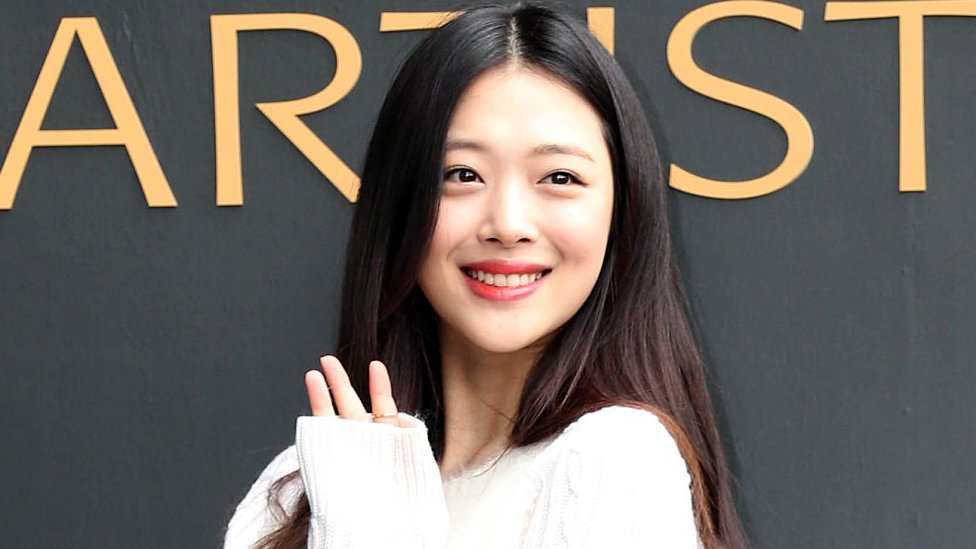
Critics online framed the quote as suspicious or emotionally inappropriate, even though many users pointed out an obvious issue:
celebrity interviews are often conducted weeks or months before publication, meaning the quote may not even have been said after those tragedies occurred.
That context, however, has largely been ignored by conspiracy-focused accounts.
What’s alarming to many observers is how quickly grief, mental health, and unrelated facts are being woven together into an internet-driven “theory” with no verifiable foundation. The situation has sparked wider concern about online witch hunts in K-entertainment spaces, especially involving female celebrities.
A large number of netizens have strongly condemned the conspiracy posts, arguing they are not only defamatory toward IU but also deeply disrespectful toward the deceased artists whose names are being weaponized for viral engagement.

Many commenters noted that the theory reflects a broader pattern seen repeatedly in Korean celebrity culture:
retroactively reframing ordinary interactions, friendships, or public statements as “evidence” after a tragedy occurs.
Others believe the timing is not accidental.
Some fans suspect the renewed attacks are partially fueled by ongoing backlash surrounding IU’s recent project discussions and lingering anti-fandom narratives that have followed her for years. IU has previously faced waves of malicious accusations online, including older controversies where critics attempted to mischaracterize her art or public image.

This latest conspiracy, however, is being viewed by many as one of the darkest examples yet because it directly involves deceased public figures and mental health treatment.
Mental health professionals and public commentators have repeatedly warned against exactly this kind of speculation. Turning therapy, psychiatric treatment, or depression into conspiracy material can discourage people from seeking help and further stigmatize mental health care.
At the center of all this is a crucial reality:
there is no verified evidence connecting IU to any wrongdoing related to the deaths being discussed online.
The viral theory is built largely on coincidence, emotional reinterpretation, anonymous online comments, and selective framing — not factual proof.
For many fans and observers, the situation has become less about celebrity gossip and more about how easily internet speculation can mutate into large-scale harassment campaigns, especially when tragedy and unresolved public grief are involved.