BLACKPINK’s Jennie has found herself at the center of widespread discussion following a series of performances at major European music festivals, where her solo stages received both enthusiastic fan support and critical reviews from parts of the European music press.
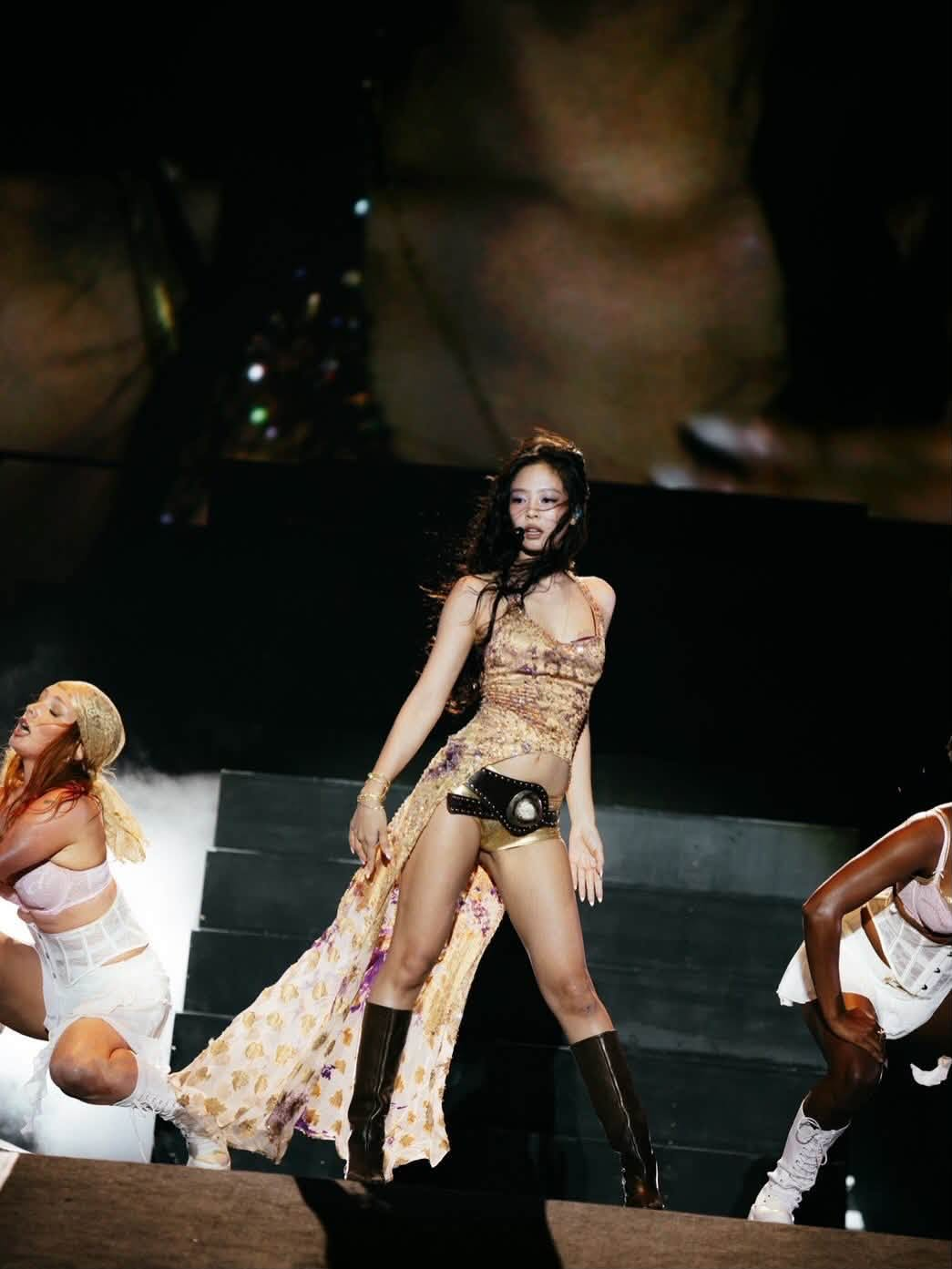
Over recent weeks, Jennie performed at Roskilde Festival in Denmark, Open’er Festival in Poland, and Mad Cool Festival in Spain, presenting a set built around songs from her solo album Ruby, including “Mantra,” “Filter,” “Love Hangover,” “Seoul City,” “ExtraL,” and “like JENNIE,” along with several unreleased tracks.
Despite the strong anticipation surrounding her appearances, some European publications offered notably critical assessments of her performances.
One of the most discussed reviews came from Danish music magazine GAFFA, which awarded Jennie’s Roskilde performance 1 out of 6 stars. The publication argued that the backing track and prerecorded vocals were mixed at such a high volume that they frequently overshadowed her live vocals. The review also suggested that her stage presence lacked the energy expected from what it described as a major moment in her solo career.
Similar criticism appeared in Poland following her performance at Open’er Festival.
Entertainment outlet WP Kultura questioned whether Jennie’s headline set fully met expectations, writing that the backing vocals were so prominent they often covered her live singing. The publication argued that stronger overall stage execution might have offset those concerns but concluded that the performance fell short of the standard expected from one of K-pop’s biggest stars.

Another review also focused on the balance between live vocals and playback, claiming that Jennie relied heavily on prerecorded audio during portions of the performance. The writer suggested that close-up shots displayed on large LED screens made it easier for viewers to compare her lip movements with the audio, contributing to online debate over the use of backing tracks.
At the same time, Jennie’s stage styling also generated divided opinions.
Throughout the European festival circuit, she appeared in outfits inspired by lingerie and body-hugging performance costumes, paired with choreography that some viewers described as bold and provocative. While many fans praised the performances as fitting her mature solo artistic identity, others felt certain styling and dance moments were overly revealing.
Videos circulating online also fueled renewed discussion about her live performances, with some viewers pointing to moments where her microphone appeared to be held away from her mouth while vocals continued at full volume. However, such clips alone cannot determine how much of a performance was live, as many festival artists use varying levels of backing tracks, harmonies, and prerecorded support during physically demanding choreography.

Despite the criticism, Jennie’s performances also received significant praise from fans attending the festivals.
Supporters argued that her artistic direction reflects the more mature image she has embraced since launching her solo career and that her performances were designed for international festival audiences rather than traditional K-pop music shows. Many also highlighted the enthusiastic crowd response throughout her sets and praised her confidence and charisma on stage.
The contrasting reactions underscore how closely Jennie’s solo career is being scrutinized. As one of K-pop’s most recognizable global stars, every major performance attracts intense attention from both fans and critics.

While several European media outlets questioned aspects of her live vocals and stage production, those reviews represent critical opinions rather than objective conclusions. Audience responses remained mixed, with some concertgoers expressing disappointment while others described her performances as among the highlights of the festivals.
As Jennie continues promoting her solo music internationally, the discussions surrounding her festival appearances illustrate both the high expectations placed upon her and the differing standards by which live performances are judged across audiences and critics alike.