
A viral image of Jimin has sparked widespread backlash online after fans discovered that the photo had been altered using artificial intelligence.
The controversy emerged following BTS’s recent concert in Busan, where numerous photos and videos of the group circulated across social media. Among them was an image that appeared to show Jimin displaying an extensively tattooed arm and visible back acne while performing on stage.

The photo quickly gained traction online, accumulating tens of thousands of likes and shares as fans discussed the unexpected details in the image.
However, the conversation soon took a dramatic turn.
Sharp-eyed fans began comparing the viral picture with original concert photos and noticed several inconsistencies. After further investigation, many concluded that the image had been manipulated using AI editing tools.
According to fans who analyzed the picture, the original photograph had been digitally altered to add both a large tattoo sleeve and skin blemishes that were not present in authentic concert images.
Once the edited nature of the image became widely known, criticism spread rapidly across social media platforms.
Many fans expressed frustration that AI-generated content is increasingly being presented as real photographs, particularly when it involves public figures. Some argued that the edited image could easily mislead casual viewers who might assume the photo accurately reflected Jimin’s appearance.

Others were especially upset because the alterations focused on physical characteristics, viewing the edits as an unnecessary manipulation of the idol’s image.
The incident has reignited a broader debate within K-pop fandoms about the growing use of artificial intelligence in fan content.
Over the past year, AI-generated images and videos involving idols have become increasingly common. While some fans enjoy using the technology for creative purposes, critics argue that realistic AI edits can spread misinformation and blur the line between authentic content and fabricated material.
BTS members have frequently found themselves at the center of such discussions due to their global popularity and massive online presence.
In this case, many fans felt the issue went beyond harmless editing. Because the photo was shared without clear disclosure that it had been altered, some viewers initially believed it was genuine.
As side-by-side comparisons of the original and edited images began circulating online, reactions became even stronger. Fans called for greater responsibility when sharing AI-generated content and urged users to verify sources before reposting viral images.
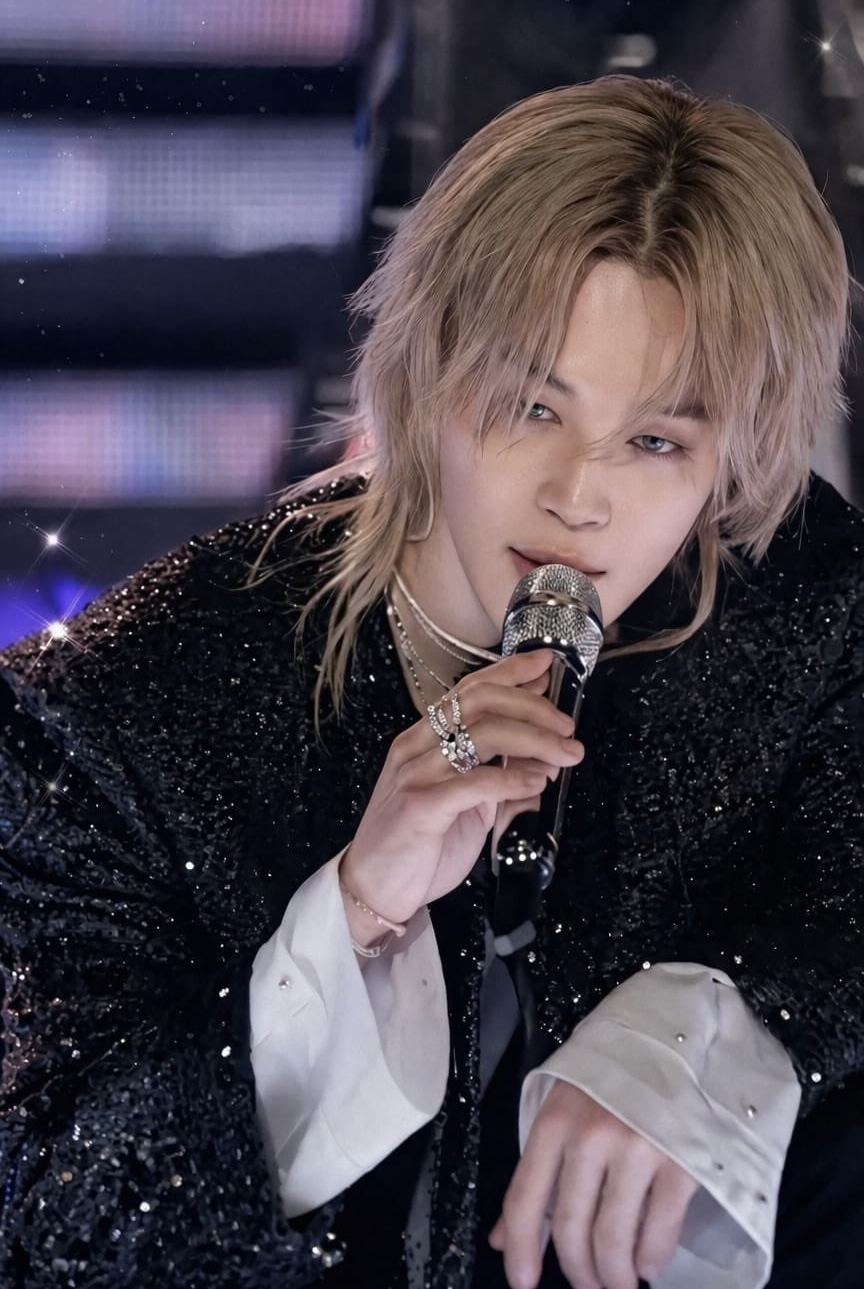
The controversy also highlights a growing challenge facing celebrities in the AI era.
As editing tools become more advanced and accessible, manipulated images can spread rapidly before fact-checking catches up. For public figures like Jimin, even minor alterations can quickly become major online discussions.
While the viral image itself may eventually fade from attention, the debate surrounding it is unlikely to disappear anytime soon.
For many fans, the incident serves as another reminder that not everything circulating online—even seemingly realistic photos—should be accepted at face value.
And judging by the strong reactions across social media, concerns about AI-generated content involving K-pop idols continue to grow as the technology becomes increasingly sophisticated.