The Korean music community is mourning the sudden passing of Lee Jun-young, widely known by his stage name LeeZu. He was 42.

News of his death was first shared on May 4 through social media by fellow composer Wang Jeong-hyeon, who paid tribute to his longtime friend and collaborator. “My friend and the composer of our beloved DJMax, LeeZu, has set off on a long journey alone,” he wrote. “Please remember the many songs he left behind, and I sincerely ask you to pay tribute so that he will not be lonely on his final path.”
The announcement came as a shock to fans and colleagues alike, many of whom remembered Lee as a deeply creative figure who quietly shaped a niche yet influential corner of the music industry.
Lee Jun-young built his career under multiple aliases, reflecting both his versatility and evolving artistic identity. Early on, he worked under names such as DEVA and P. Remi, experimenting with different styles and sounds. Over time, he gained wider recognition through his contributions to the rhythm game franchise DJMax Technika 2, where he used the name P’sycho Remi.
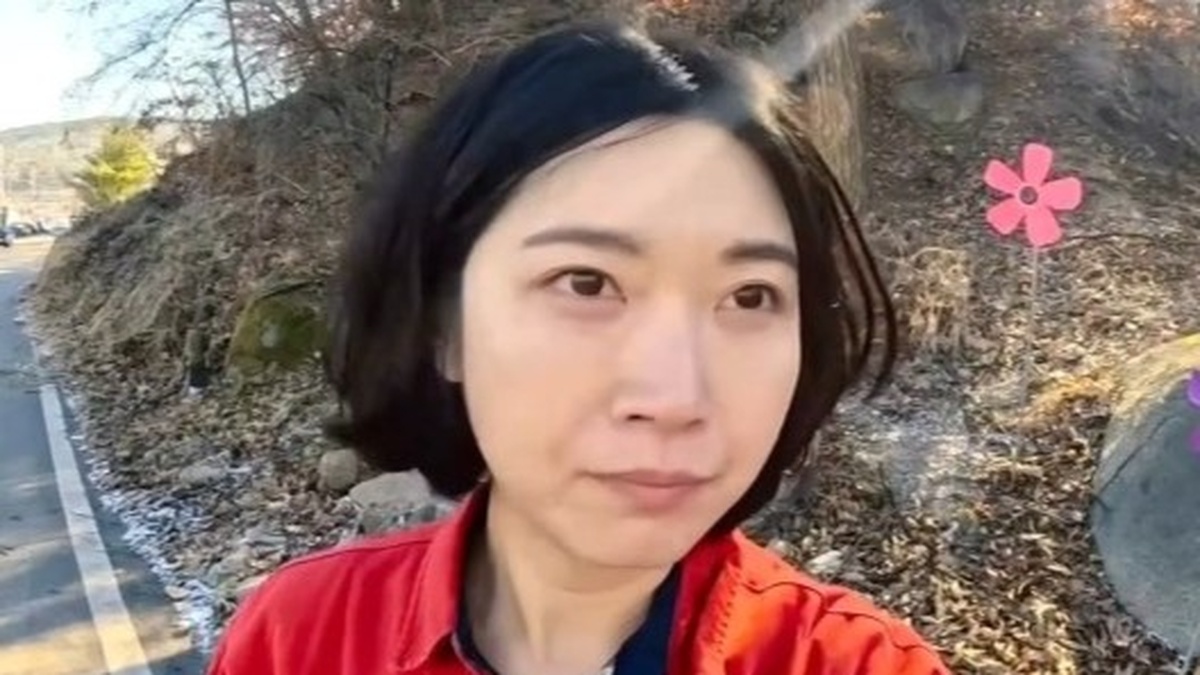
Within the DJMax series, Lee’s compositions stood out for their emotional depth and technical complexity. Tracks like “The Guilty” and “Burn It Down” became fan favorites, praised for their layered production and distinctive tone. His ability to blend electronic elements with strong melodic structure helped define the soundscape of the game and left a lasting impression on its global player base.
Beyond his work in rhythm games, Lee also explored other musical avenues. He contributed guitar features to songs such as “Love Is Beautiful,” showcasing a different side of his artistry. His work reflected a musician unafraid to cross genres, constantly experimenting while maintaining a signature emotional resonance.
In recent years, Lee’s life took a quieter turn.
After getting married, he chose to step away from the fast-paced life of Seoul and relocated to a rural area, seeking a more peaceful and grounded lifestyle. There, he embraced a slower rhythm of living, occasionally sharing glimpses of his daily routine through television appearances, including features on Hometown Report. These appearances revealed a different side of the composer — one focused on simplicity, reflection, and personal balance.
Following his divorce in 2023, Lee began a new chapter, launching a YouTube channel where he connected more directly with fans. Through this platform, he documented aspects of his everyday life while continuing his creative work. It was a space where music and personal storytelling intersected, allowing audiences to see both the artist and the individual behind the compositions.

Despite stepping away from the mainstream spotlight, Lee remained dedicated to his craft. His journey reflected a rare balance between artistic ambition and a desire for personal authenticity — a path not often taken in the industry.
His sudden passing leaves behind not only a catalog of memorable music but also a sense of unfinished potential. Fans across online communities have begun revisiting his work, sharing favorite tracks and expressing their condolences.
For many, Lee Jun-young was more than just a composer. He was a quiet innovator whose music resonated deeply with those who encountered it.
As tributes continue to pour in, one message echoes clearly:
his songs will endure — and so will the impact he made.