One of the most emotional moments in Episode 4 of Dutton Ranch had nothing to do with forged cattle records, revenge plots, or mysterious newcomers.
Instead, it centered on the relationship between Beth and Carter.
For much of the series, Beth and Carter have shared a complicated bond. While Beth has never openly embraced a traditional maternal role, she has gradually become one of the most important figures in Carter’s life. Their relationship has been built on tough love, loyalty, and a mutual understanding of loss.
But Episode 4 may have changed everything.
In what many fans are calling the biggest turning point yet in Carter’s character arc, the pair experienced their first truly major conflict.
The argument began after Beth made a decision she believed was necessary.
Faced with the grim reality of a large number of cattle being put down, Beth deliberately arranged for Carter to be somewhere else. Her intention appeared straightforward: she did not want him witnessing the destruction and trauma surrounding the ranch’s crisis.
From Beth’s perspective, she was protecting him.
From Carter’s perspective, she was shutting him out.
When Carter realized what had happened, he reacted with anger rather than gratitude.
For perhaps the first time since becoming part of the Dutton family orbit, he openly challenged Beth’s authority and questioned her motives.
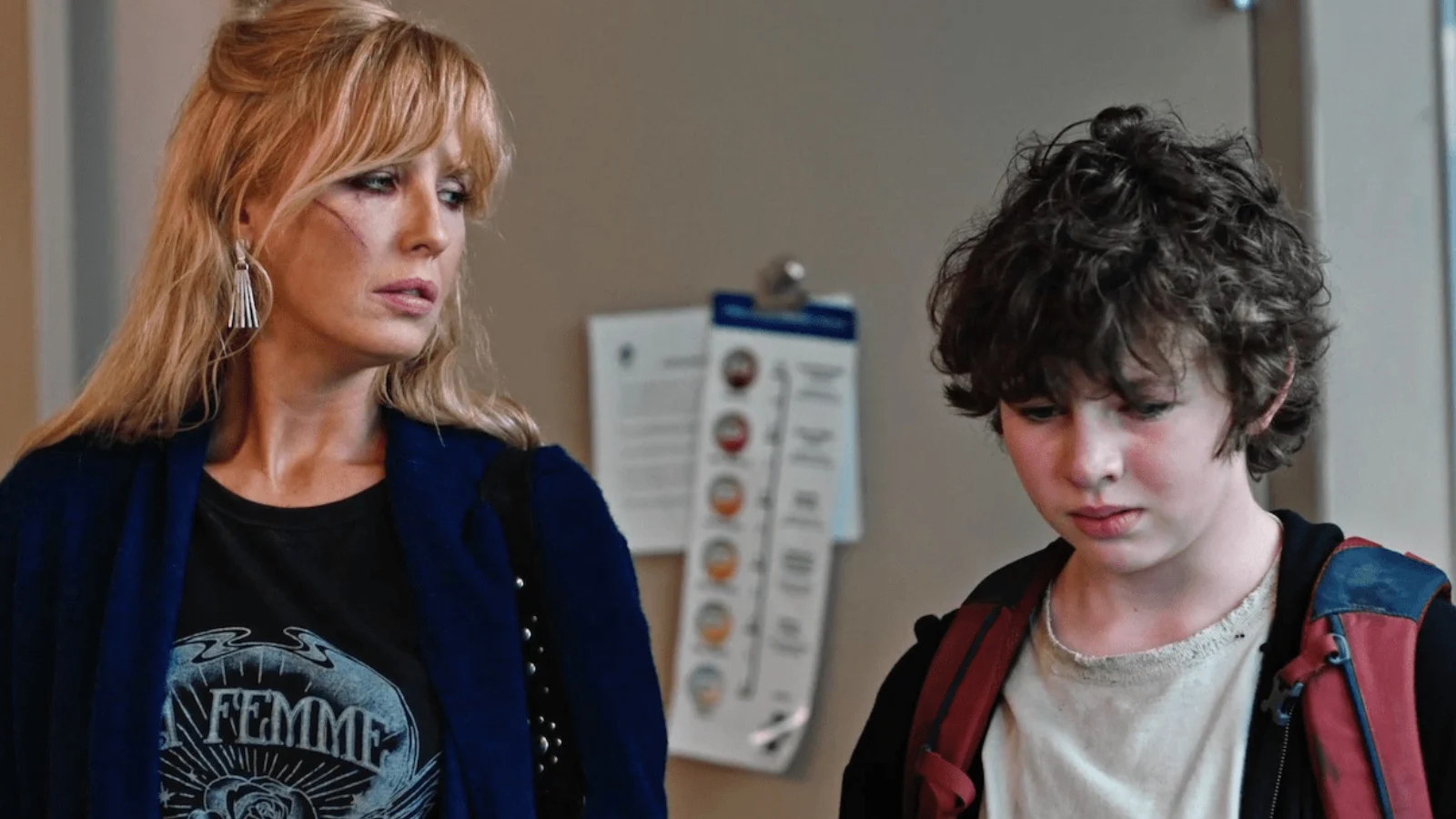
The confrontation quickly escalated.
Feeling betrayed and excluded, Carter accused Beth of being a liar.
The accusation landed with particular force because it wasn’t really about the cattle.
It was about belonging.
Throughout his time on the ranch, Carter has struggled to find his place. Although Beth and Rip have provided him with a home, he has often existed in an uncertain space between child and adult, family member and outsider.
Episode 4 brought those insecurities to the surface.
Carter made it clear that his frustration stemmed from feeling as though he was constantly being protected rather than trusted. In his eyes, Beth’s decision was another reminder that she still did not fully see him as an adult—or even as a true member of the family.

That emotional wound appears to have hurt far more than the original situation itself.
Many viewers immediately connected with Carter’s perspective.
As teenagers grow older, there often comes a point where protection begins to feel like exclusion. What parents view as an act of love can sometimes be interpreted as a lack of trust.
That tension was at the heart of the episode’s most powerful scene.
For Beth, the situation was equally complicated.
Her instinct has always been to shield the people she cares about from pain whenever possible. Given her own traumatic past, it makes sense that she would want to spare Carter from witnessing something as brutal as the destruction of the cattle herd.
But Carter is no longer the frightened boy who first arrived at the ranch.
He wants responsibility.
He wants honesty.
And most importantly, he wants to be treated as someone capable of facing difficult realities.
That clash of expectations created a conflict neither side was fully prepared for.
Fans have already begun speculating that the argument could mark a major turning point for Carter moving forward.
For several seasons, much of his story has focused on finding stability and acceptance. Episode 4 suggests the next stage of his journey may involve asserting his independence and defining his own identity within the family.
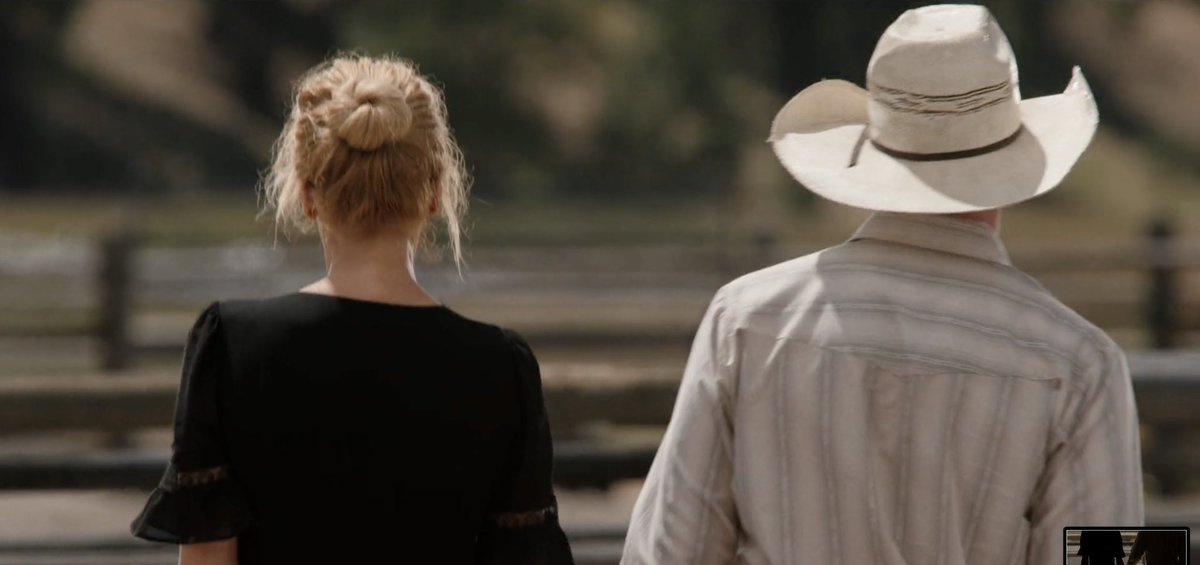
The fact that his anger was directed at Beth makes the moment even more significant.
Their relationship has always been one of the emotional foundations of the series. Seeing that bond crack, even temporarily, signals that both characters may be entering a new phase of development.
Whether the conflict ultimately brings them closer together or pushes them further apart remains to be seen.
What is clear, however, is that Episode 4 delivered the first truly serious fracture between Beth and Carter.
And for Carter, it may be the moment he stops seeing himself as a child seeking acceptance—and starts demanding to be treated as an equal member of the family.