BLACKPINK member Lisa made history this week by appearing at one of the world’s biggest sporting events, but the landmark performance has quickly become the subject of heated debate online.

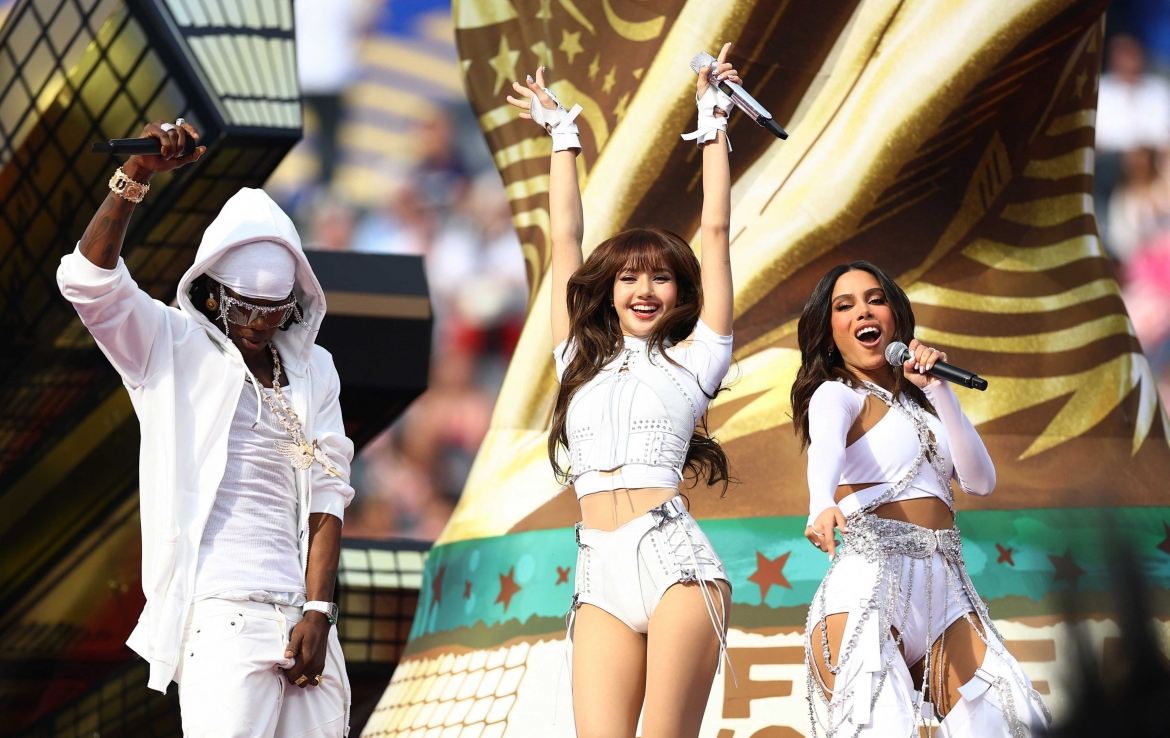
On June 12, Lisa took the stage during the opening ceremony of the 2026 FIFA World Cup at SoFi Stadium in Los Angeles. Performing alongside Brazilian superstar Anitta and Nigerian artist Rema, Lisa helped introduce “Goals,” one of the official songs associated with the tournament.
For many fans, the moment represented a major milestone not only for Lisa personally but also for K-pop as a whole. Numerous supporters celebrated the fact that a member of a Korean girl group was performing live on one of the most watched stages in international sports.
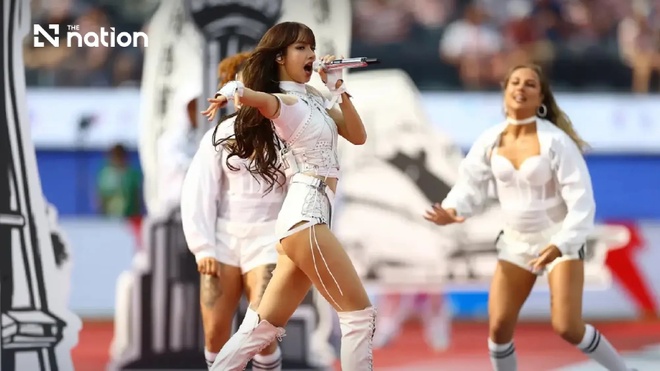
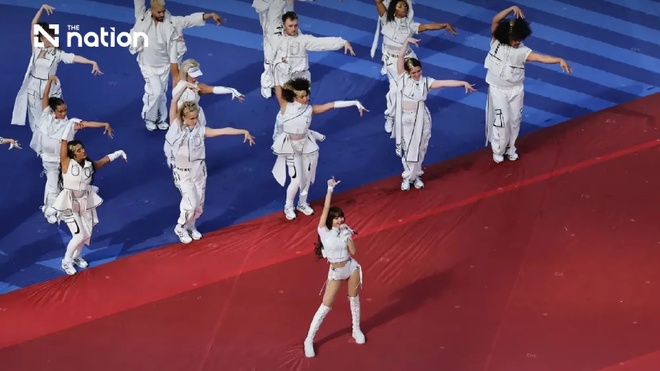
Dressed in a striking white outfit, Lisa opened the performance while delivering vocals and choreography alongside dozens of dancers spread across the stadium field. Images and videos from the event quickly circulated across social media platforms, generating millions of views within hours.
However, as often happens with high-profile appearances, praise was soon accompanied by criticism.
While international fans largely viewed the performance as a significant achievement, some online communities in South Korea responded less enthusiastically. Discussions on various Korean forums quickly turned into debates over both Lisa’s performance and her suitability for an event as prestigious as the World Cup opening ceremony.
Several comments questioned media descriptions claiming that Lisa had “dominated” or “torn up” the stage. Others argued that another World Cup-related performance received less attention despite deserving more recognition.
Much of that discussion centered on songwriter and performer EJAE, who participated in a separate World Cup opening event in Mexico City. EJAE joined legendary tenor Andrea Bocelli in performing the official World Cup theme song “DNA,” a track that attracted attention because it included Korean lyrics written with EJAE’s involvement.
As comparisons between the two performances spread online, many fans pushed back against what they viewed as an unnecessary rivalry.
Supporters of both artists argued that there was no reason to diminish one performance in order to praise another. They pointed out that Lisa and EJAE appeared in different ceremonies, served different artistic roles, and represented Korean talent on separate global stages.
Others criticized some of the harsher comments directed toward Lisa, particularly remarks questioning her popularity or influence. Fans noted that Lisa remains one of the most-followed Asian entertainers in the world and has established a substantial international fanbase through both her solo career and her work with BLACKPINK.
\
The controversy also highlighted the increasingly polarized nature of online reactions toward major K-pop stars. Performances that might once have been celebrated almost universally now often become flashpoints for wider debates involving fandom rivalries, national representation, popularity metrics, and artistic credibility.
Despite the backlash from certain corners of the internet, Lisa’s appearance remains a significant moment in her career.
Performing at a FIFA World Cup event places an artist before a truly global audience, extending far beyond the traditional reach of the music industry. For many observers, simply being selected for such a platform reflects the growing influence of K-pop and Asian artists within international entertainment.
Meanwhile, Lisa continues to pursue solo projects following the conclusion of her individual contract with YG Entertainment, while BLACKPINK’s group activities remain under the company’s management.
Whether fans viewed the World Cup performance as groundbreaking or underwhelming, one thing is clear: it generated exactly the kind of attention that accompanies modern global pop stardom.
In an era where every major performance is dissected in real time across social media, Lisa’s World Cup appearance has become more than just a musical moment. It has evolved into another chapter in the ongoing conversation about fame, representation, and the expectations placed on some of the biggest stars in the world.