New concerns have emerged regarding the financial situation of ADOR after reports revealed that a substantial amount of inventory linked to NewJeans remains unsold amid the group’s prolonged inactivity.

According to a recent report cited by Korean financial media, ADOR held approximately ₩15.1 billion KRW (around $10 million USD) in inventory assets at the end of 2025. Although slightly lower than the previous year’s figure, the amount remains significant and is believed to consist largely of NewJeans-related albums and merchandise.
The issue has attracted attention because NewJeans’ activities have effectively been frozen during the ongoing legal and contractual dispute between the group and ADOR. Without new music releases, promotions, concerts, or merchandise launches, existing inventory has reportedly remained on shelves much longer than expected.
Much of the discussion centers on the group’s hugely successful 2023 mini album, Get Up. The album was a commercial phenomenon upon release, selling more than 1.6 million copies during its first week and establishing NewJeans as one of K-pop’s biggest acts.
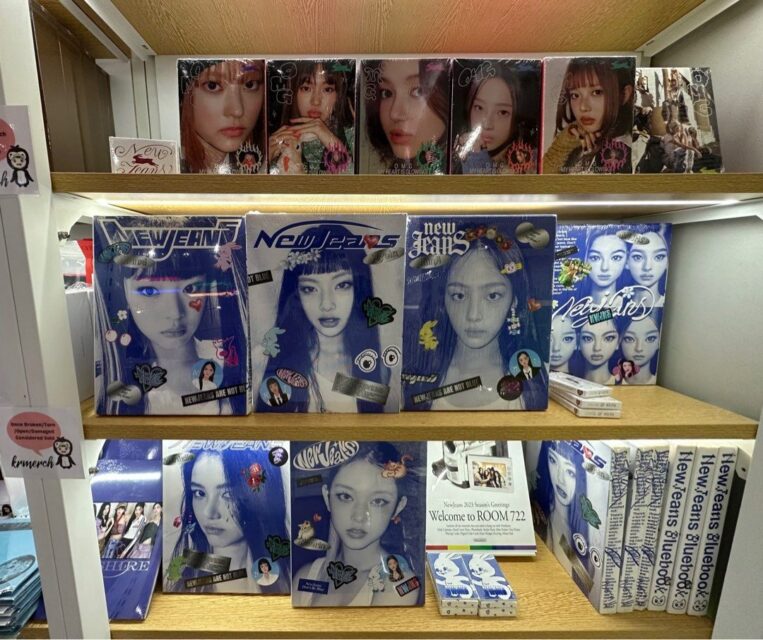
However, despite those impressive sales figures, previous claims during the dispute between ADOR’s parent company and former CEO Min Hee Jin suggested that production significantly exceeded demand. Reports alleged that approximately 3.5 million copies of Get Up were manufactured, with around 1.61 million copies still remaining in inventory as of 2024.
If accurate, those numbers illustrate the challenge facing the company today.
Industry analysts note that unsold inventory can affect financial statements in complex ways. During periods of strong growth, large inventories may temporarily improve reported profitability because production costs are not fully recognized until products are sold. However, if those products remain unsold for extended periods, they can eventually become a financial burden.
That appears to be the concern now facing ADOR.
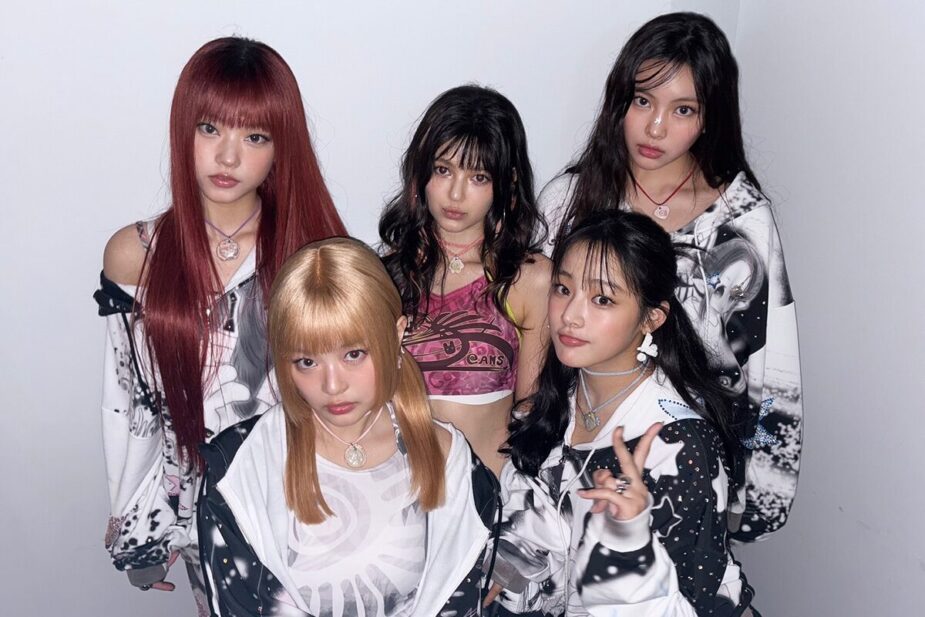
Financial reports indicate that the company’s total assets declined substantially between 2024 and 2025. At the same time, inventory now represents a larger proportion of the company’s overall assets, increasing pressure on management to convert those products into revenue.
Perhaps the most striking figure involves inventory turnover, a metric used to measure how quickly products are sold.
According to the report, ADOR’s inventory turnover rate reportedly dropped from 4.74 times in 2024 to just 0.72 times in 2025. Meanwhile, the average amount of time inventory remained unsold increased dramatically—from 77 days to 504 days.

Such numbers suggest a significant slowdown in product movement.
Industry observers believe the company’s future recovery may depend heavily on resolving ongoing disputes and establishing new business opportunities. Without active artist promotions, album releases, or other revenue-generating projects, moving existing inventory becomes increasingly difficult.
It is important to note that possessing unsold inventory does not automatically indicate a company is in financial trouble. Entertainment agencies often maintain large inventories of albums and merchandise, especially when managing globally popular artists.
Nevertheless, the situation highlights how dramatically circumstances have changed for ADOR since NewJeans’ explosive commercial success just a few years ago.
What was once viewed as inventory supporting rapid growth is now being scrutinized as a potential financial risk. Until the dispute surrounding NewJeans is resolved and the group’s future becomes clearer, questions about ADOR’s inventory strategy and long-term financial outlook are likely to remain a major topic within the K-pop industry.