SM Entertainment is facing renewed scrutiny after fans accused the agency of plagiarizing BTS following the latest release from rookie group NCT WISH.
The controversy began shortly after BTS released their ARIRANG album, which features a track titled “2.0.” While the song itself quickly gained traction among fans, attention soon shifted when NCT WISH unveiled their own album—also including a track with the exact same title.
At first glance, some fans acknowledged that song titles can overlap in the music industry. However, the situation escalated when listeners pointed out what they perceived as additional similarities, including thematic elements and the timing of the release. For many, the combination of these factors felt too coincidental to ignore.
Social media platforms were quickly flooded with reactions. Some fans accused SM Entertainment of deliberately following BTS’s creative direction, suggesting that the newer group was borrowing from an already successful formula. A number of viral posts claimed that BTS had “set the blueprint,” while NCT WISH was accused of replicating it too closely.
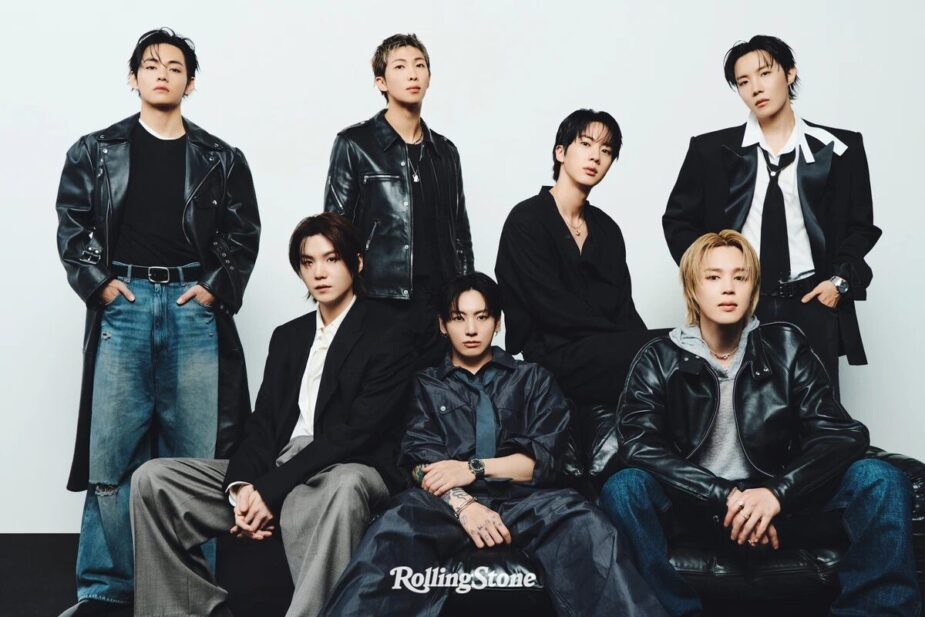
The controversy also reignited past discussions, with critics bringing up previous instances where SM Entertainment artists were accused of drawing inspiration from BTS. For some fans, the situation reflects what they describe as a long-standing pattern, fueling further frustration and debate within the K-pop community.
However, not all reactions have been critical. A portion of fans came to the defense of NCT WISH, arguing that the accusations may be premature or unfounded. They pointed out that music production timelines are often planned months in advance, making it unlikely that the group could have reacted so quickly to BTS’s release. Others noted that teasers for NCT WISH’s “2.0” surfaced not long after ARIRANG dropped, suggesting that the concept may have already been finalized prior to BTS’s comeback.
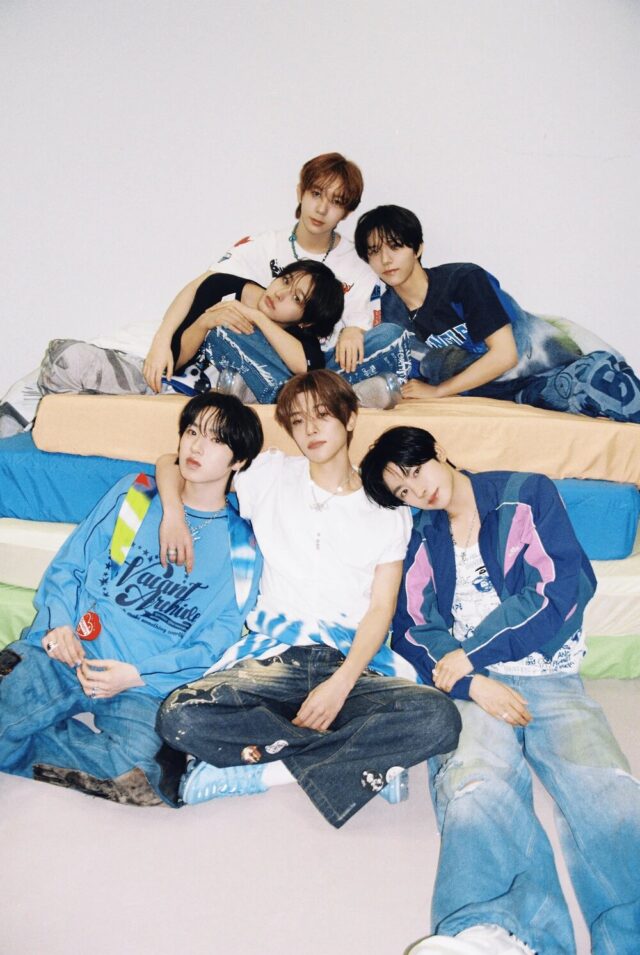
Supporters also emphasized that sharing a song title does not necessarily equate to plagiarism, particularly in an industry where recurring themes and naming conventions are common. Without clear evidence of musical or lyrical duplication, they argue, the claims remain speculative.
As of now, SM Entertainment has not released an official statement addressing the allegations. Meanwhile, neither BTS nor NCT WISH have publicly commented on the controversy.
The debate highlights the intense scrutiny that K-pop artists and agencies face in the digital age, where fans closely analyze every detail—from song titles to visual concepts. It also underscores the powerful influence of BTS, whose global impact continues to shape conversations across the industry.
Whether the situation will escalate further or fade as another fleeting online controversy remains to be seen. For now, it serves as yet another example of how quickly fan discourse can turn a coincidence into a major talking point.