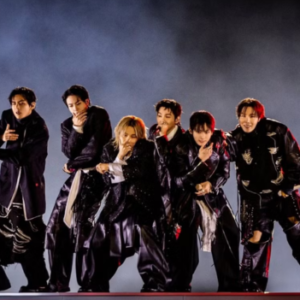
Stray Kids’ newly released pre-release music video has unexpectedly become the center of controversy after online viewers noticed striking similarities to THE BOYZ’s 2024 music video for “TRIGGER.” What initially appeared to be another plagiarism debate has since evolved into criticism aimed primarily at the video’s director rather than the artists themselves.
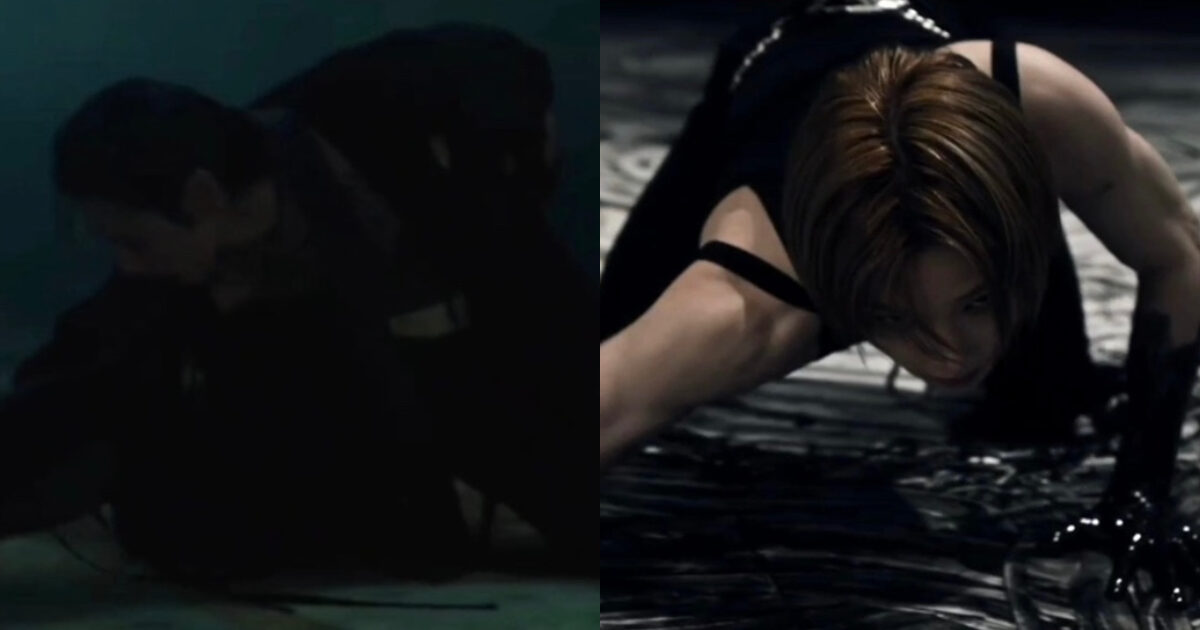
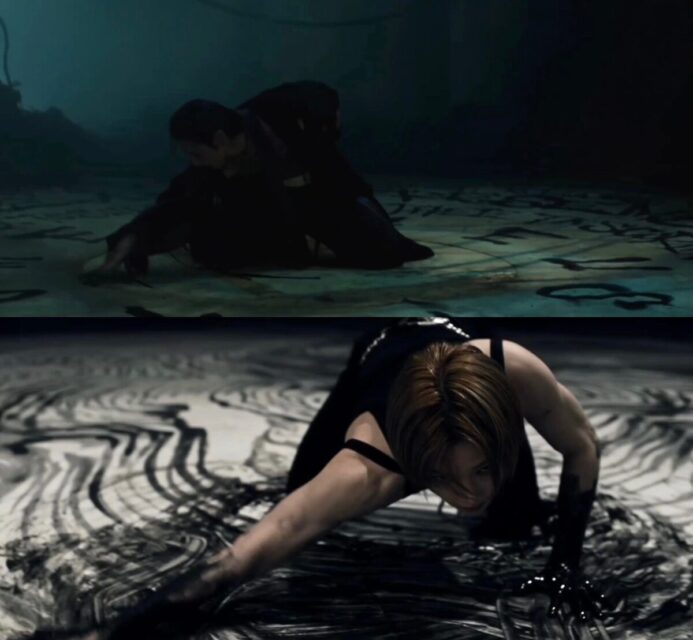
The discussion began shortly after Stray Kids unveiled the music video for “Run It.” Fans on Korean online communities and social media started posting side-by-side comparisons with THE BOYZ’s “TRIGGER,” pointing to what they believed were overlapping visual elements.
According to the viral comparisons, the two videos appear to share similar filming locations, camera compositions, styling, makeup, lighting, and overall visual atmosphere. While individual screenshots attracted attention, many viewers argued that the resemblance became even more noticeable when watching the two music videos in full.
As the discussion gained momentum, netizens discovered that both projects were directed by Son Seung Hee (SAMSON) of HIGHQUALITYFISH, a well-known music video director in the K-pop industry.
That revelation dramatically shifted the conversation.
Rather than accusing Stray Kids of copying another group’s concept, many online commenters instead criticized the director for allegedly recycling his own creative work. The controversy quickly became less about plagiarism between artists and more about what some described as “self-plagiarism” or excessive reuse of previous ideas for different clients.
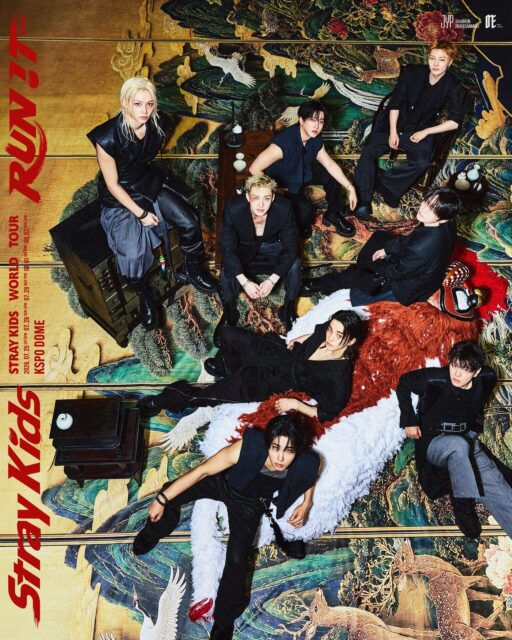
Many viewers argued that while directors naturally develop recognizable visual styles, there is an important distinction between maintaining a signature aesthetic and reusing highly specific concepts, locations, and directing choices for another group’s comeback.
Because THE BOYZ’s “TRIGGER” was released in 2024 and Stray Kids’ “Run It” arrived only two years later, some fans felt the similarities were too recent to ignore.
The criticism intensified after an earlier statement from director Son Seung Hee resurfaced online. In his comments about the “Run It” project, he explained that the team wanted to reinterpret Korean heritage through themes such as yin and yang, creating imagery that he believed only Stray Kids could express.
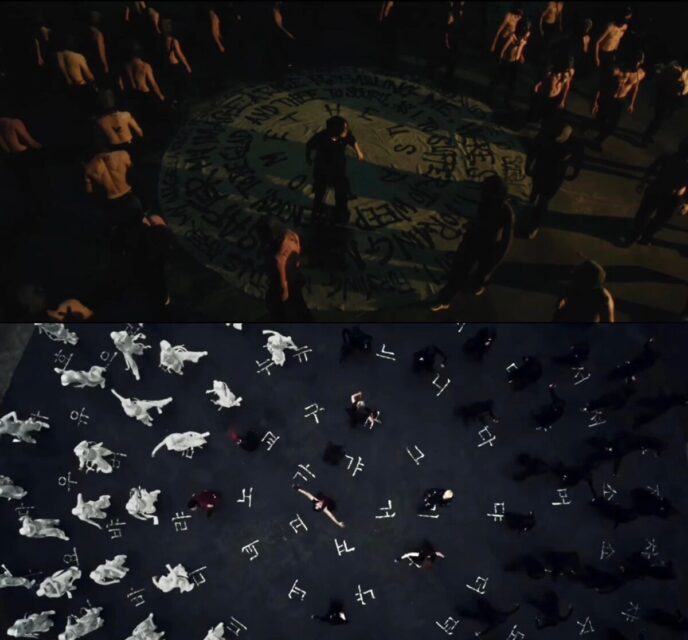
For some critics, those remarks felt contradictory given the ongoing comparisons to THE BOYZ’s previous music video.
As the debate continued, most online discussion focused on the creative production team rather than Stray Kids themselves.
Many fans argued that idol groups rarely control major production decisions such as filming locations, cinematography, editing, set design, or overall visual direction. Those responsibilities typically belong to directors, production companies, and agency staff overseeing the project.
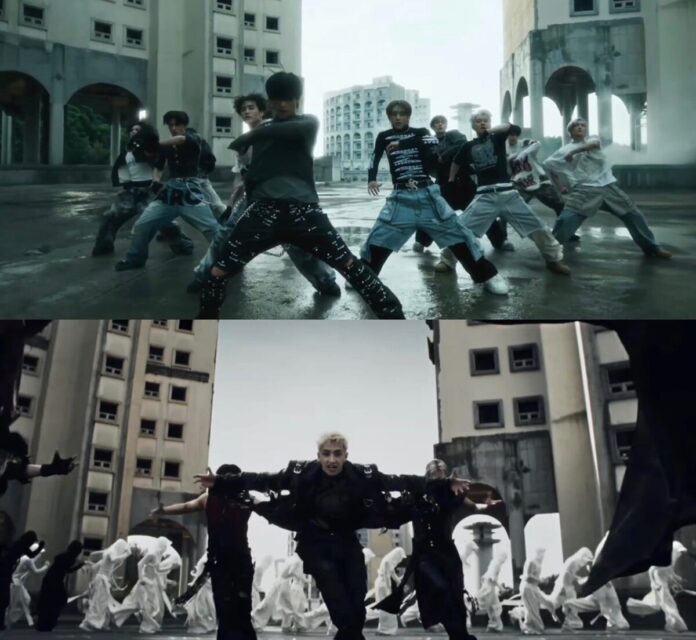
Some netizens also questioned whether JYP Entertainment should have identified the similarities before approving the final version of the music video. They suggested that agencies generally review creative concepts throughout production and could potentially have requested revisions if significant overlap with another release had been noticed.
At the same time, numerous fans defended Stray Kids, emphasizing that performers should not be blamed for creative decisions made behind the scenes. Others noted that similarities in music videos do not automatically prove intentional copying, as many productions share common visual techniques, locations, or cinematic influences.
As of now, neither Stray Kids, JYP Entertainment, director Son Seung Hee, nor THE BOYZ’s agency has publicly addressed the online discussion.
The controversy remains largely driven by fan comparisons and opinions circulating on social media. While the similarities have sparked widespread debate about originality and creative responsibility in K-pop music video production, no official determination or acknowledgment of wrongdoing has been made.