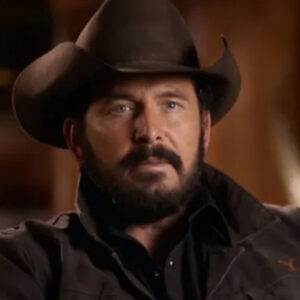
When Dutton Ranch was first announced as the next chapter in the Yellowstone universe, expectations were already enormous. The series carried the weight of continuing the story of fan-favorite characters Beth Dutton and Rip Wheeler while proving it could stand on its own as more than just another spinoff. Yet even before the show premiered, many fans feared the project might be headed for trouble.
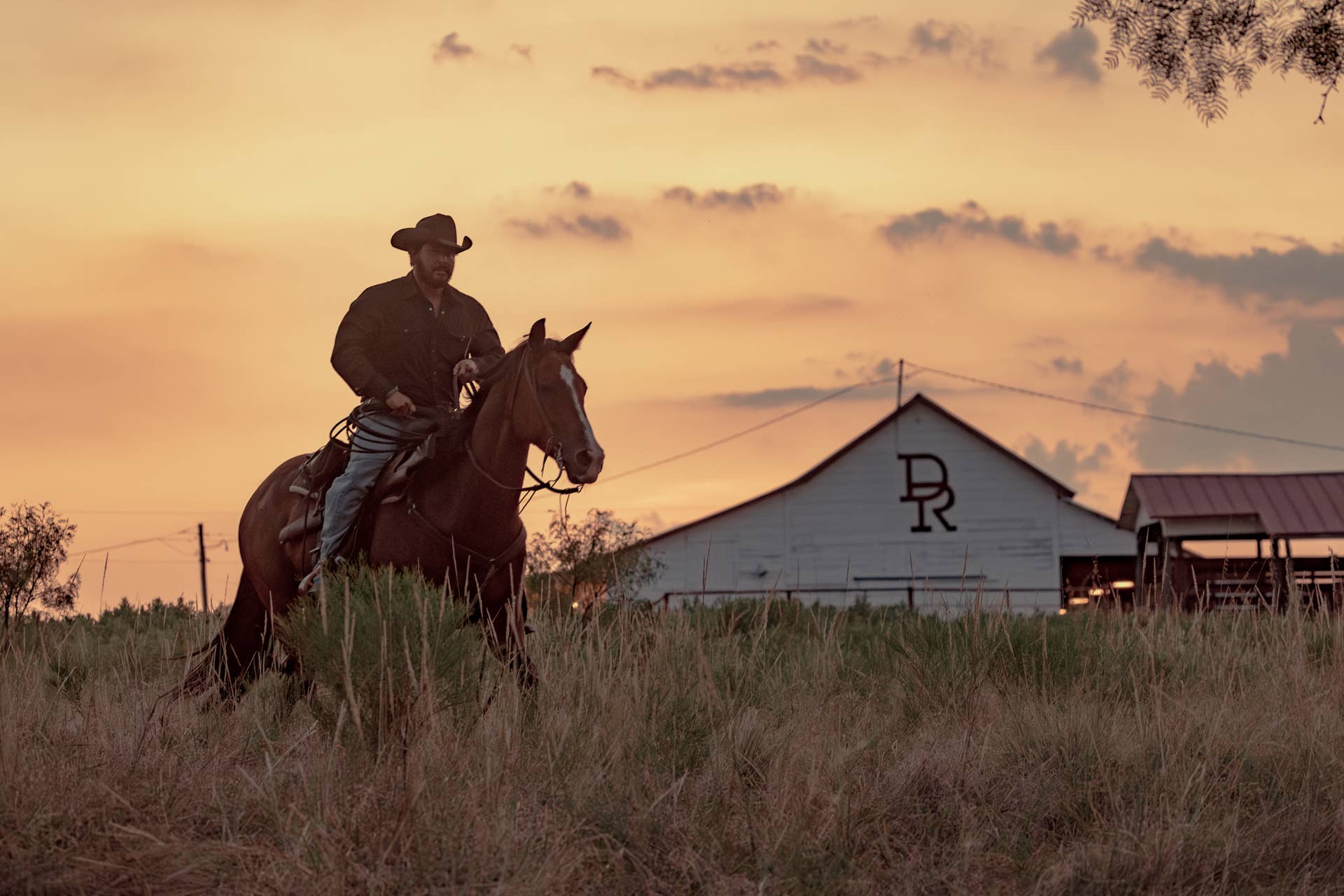
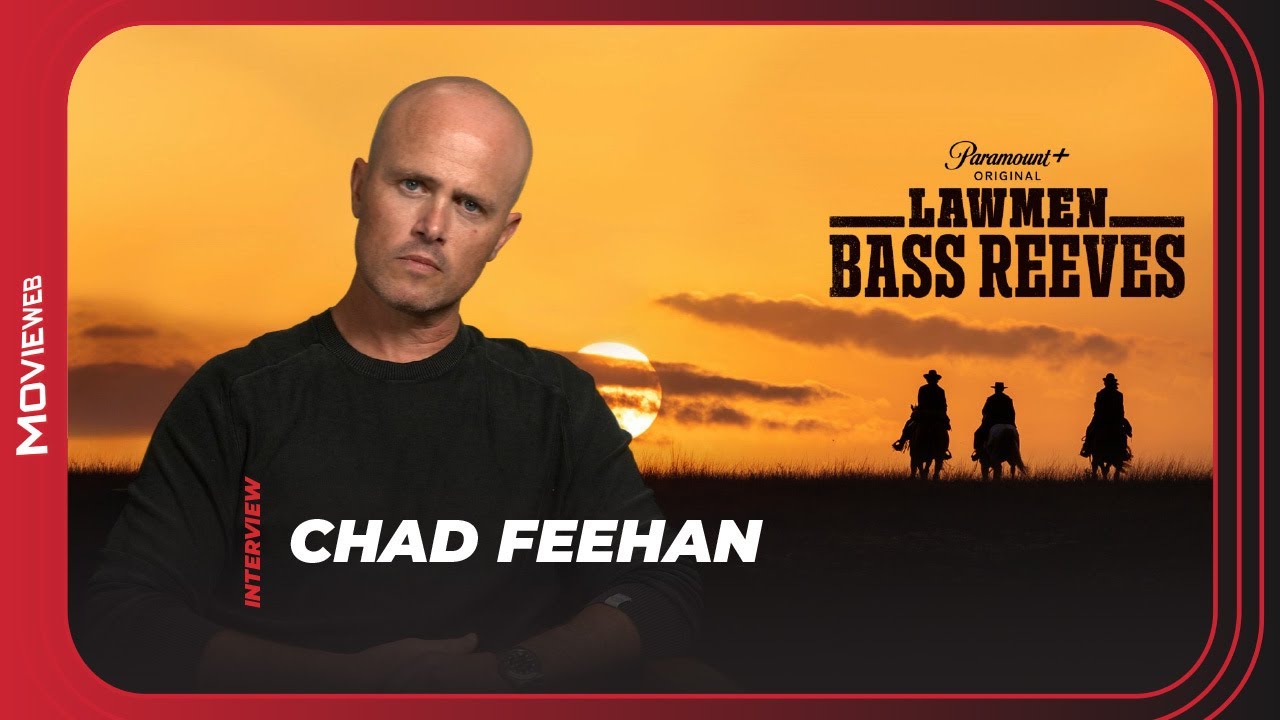
One of the biggest concerns came when original showrunner Chad Feehan departed the series before the first season had even aired.
At the time, the news triggered widespread speculation across the Yellowstone fandom. Showrunner changes are rarely viewed as positive developments, especially for a franchise with such a passionate audience. Many viewers worried that the creative direction of the series could become unstable or inconsistent. Others questioned whether the show would be able to maintain a clear long-term vision without the person originally tasked with guiding it.
The concerns seemed reasonable.
Television history is filled with examples of highly anticipated projects struggling after major creative shakeups. In many cases, sudden departures behind the scenes lead to storytelling problems, uneven pacing, or conflicts regarding the overall direction of the show.
For a franchise as valuable as Yellowstone, any sign of instability naturally attracted attention.
Some fans even predicted that Dutton Ranch could face a creative crisis before it ever had the chance to establish itself.
Instead, the exact opposite appears to have happened.
According to Paramount, Dutton Ranch attracted 12.9 million viewers worldwide during its debut week, officially becoming the biggest original series launch in Paramount+ history. In doing so, it surpassed the previous record held by the hugely successful Yellowstone prequel 1923.
The achievement immediately transformed the conversation surrounding the series.
Rather than discussing potential production issues, fans suddenly found themselves talking about ratings records, audience growth, and the future of the franchise. The show also became the number-one streaming series of its premiere week according to Nielsen data and delivered one of the strongest cable debuts Paramount Network has seen in years.

Much of that success has been attributed to the enduring popularity of Beth and Rip.
For years, Kelly Reilly and Cole Hauser have been among the most beloved performers in the Yellowstone universe. Their relationship has become one of the franchise’s defining elements, and many viewers tuned in specifically to see what would happen next in their story.
The response from fans has been overwhelming.
Social media has been flooded with calls for multiple future seasons. Some viewers are already demanding five seasons, while others are hoping the series continues for a decade or more. The enthusiasm has reinforced the belief that Beth and Rip remain the emotional center of the Yellowstone franchise.
What makes the show’s success even more remarkable is the timing.
Creative departures, production uncertainty, and behind-the-scenes rumors often dominate headlines and damage audience confidence. In the case of Dutton Ranch, however, viewers appear to have judged the series based on what appeared on screen rather than the turmoil that preceded it.
The record-breaking launch suggests that audiences were ultimately more interested in compelling characters and engaging storytelling than industry drama.
In many ways, the early success of Dutton Ranch serves as a reminder that television audiences can be surprisingly forgiving when a show delivers what they want.
The departure of Chad Feehan once looked like a potential disaster. Instead, it has become little more than a footnote in the story of one of Paramount+’s biggest hits.
For now, the numbers tell a simple story: despite concerns about creative instability, Dutton Ranch is thriving. The series has not only survived a major behind-the-scenes shakeup—it has turned into a record-breaking phenomenon, proving that the Yellowstone brand remains one of the most powerful forces in television.