In a refreshingly vulnerable segment that blended humor, self-reflection, and unexpected emotional depth, Super Junior’s Kim Heechul used his appearance on JTBC’s Love War to confront patterns from his own romantic history. The July 7 episode, featuring actor Lee Joon as a special guest, showcased a couple whose clashing personalities created palpable tension—setting the stage for Heechul’s introspective revelations that resonated deeply with viewers.
The episode centered on a man and woman navigating fundamental differences in communication and emotional expression. When the woman inquired about her partner’s feelings ahead of an upcoming trip, his detached, indifferent reply left her visibly unsettled. Observing the exchange, host Lee Hyori expressed confusion, questioning whether most people typically withhold impressions until after the experience or share them openly beforehand. Heechul, ever the sharp-witted commentator, countered that such preemptive light exchanges could actually be quite interesting and meaningful. Yet, the moment quickly pivoted from casual analysis to personal territory when Heechul admitted the man’s aloof demeanor struck a familiar chord.
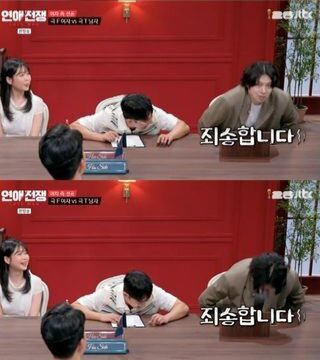
Describing the scene as a form of “mirror therapy,” Heechul revealed how it prompted him to intensely self-examine his past behaviors in relationships. The candid admission highlighted a rare glimpse into the idol’s private growth, far removed from his usual flamboyant, outspoken persona on variety shows. Lee Hyori, picking up on the subtext, gently prodded him with a pointed remark: “You should apologize to your ex-girlfriends.” Without missing a beat, Heechul stood up dramatically, delivering a heartfelt, impromptu apology directed toward the camera—or perhaps toward those he had unintentionally hurt. “I’m sorry. Are you okay? I’m sorry,” he said, his tone mixing sincerity with the theatrical flair fans have come to expect. The raw, unscripted exchange quickly went viral, sparking widespread discussion about accountability, emotional intelligence, and the pressures of maintaining public images while navigating personal lives.
Heechul’s history with relationships has long been a topic of fascination within the K-pop sphere. As a prominent member of Super Junior—one of the genre’s pioneering powerhouse groups—he has cultivated a reputation for bold honesty, sharp humor, and unfiltered opinions. His past public romances and high-profile persona have invited both admiration and scrutiny over the years. This latest reflection arrives amid a broader cultural shift in the industry, where idols increasingly share slices of personal evolution, mental health insights, and lessons learned from youthful missteps. For many fans, Heechul’s willingness to acknowledge past shortcomings felt refreshing and humanizing, transforming a light-hearted variety segment into something more profound.
The episode also underscored the value of observational learning in reality television. Love War, known for pitting couples against relational challenges to test compatibility, often serves as a mirror for both participants and audiences. Heechul’s self-described “mirror therapy” moment exemplified how entertainment can facilitate genuine introspection. Lee Joon’s presence added another layer of star power, with the actor’s own experiences contributing to the dynamic discussions. Hyori’s empathetic yet direct hosting style helped steer the conversation from potential awkwardness into meaningful territory, allowing Heechul space to process aloud what many viewers might recognize in their own lives.
This isn’t the first time Heechul has used his platform for self-aware commentary. Over his lengthy career, he has addressed everything from industry pressures to personal insecurities with a signature blend of wit and honesty. The apology, though playful in delivery, carried weight for fans who have followed his journey through Super Junior’s highs and solo ventures. It sparked supportive responses online, with many praising his maturity while others drew parallels to their own relational growth. At the same time, the segment fueled lighter memes and discussions about variety shows’ ability to elicit real emotions from celebrities accustomed to performing.
In the wider K-pop landscape, moments like these humanize idols who are often placed on unattainable pedestals. Heechul’s reflection arrives alongside other recent stories highlighting the complexities of fame: from idols facing backlash over personal choices to emotional breakdowns on stage, and even legal battles against online hate. These narratives collectively paint a picture of an industry in flux—one where artists seek greater authenticity amid relentless public scrutiny. Heechul’s willingness to stand up and say “I’m sorry” may seem small on the surface, but it models the kind of accountability that strengthens both personal bonds and fan connections.
As Love War continues to explore the messy realities of love and compatibility, Heechul’s participation has added memorable depth to the series. For Super Junior fans and casual viewers alike, the episode offered more than entertainment—it provided a thoughtful reminder that growth often comes from recognizing our reflections in others. Whether Heechul’s words reach his past partners or simply resonate with audiences, they underscore a universal truth: relationships, like performances, benefit from honest communication and the courage to evolve