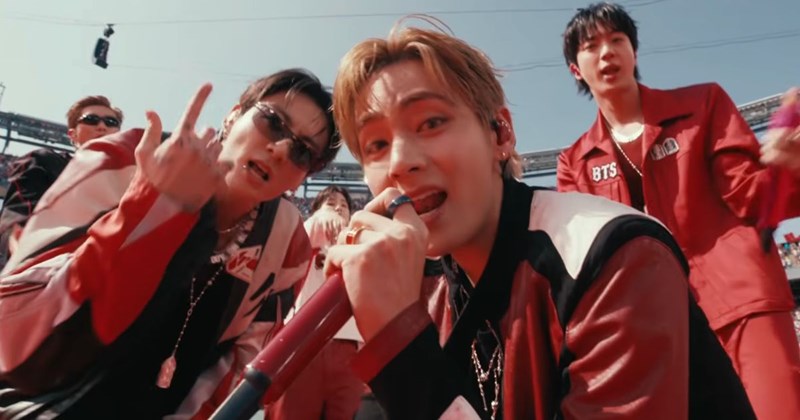
BTS’ highly anticipated halftime performance at the 2026 FIFA World Cup has become the center of another online controversy after it was criticized on a political news podcast hosted by American journalist Megyn Kelly.
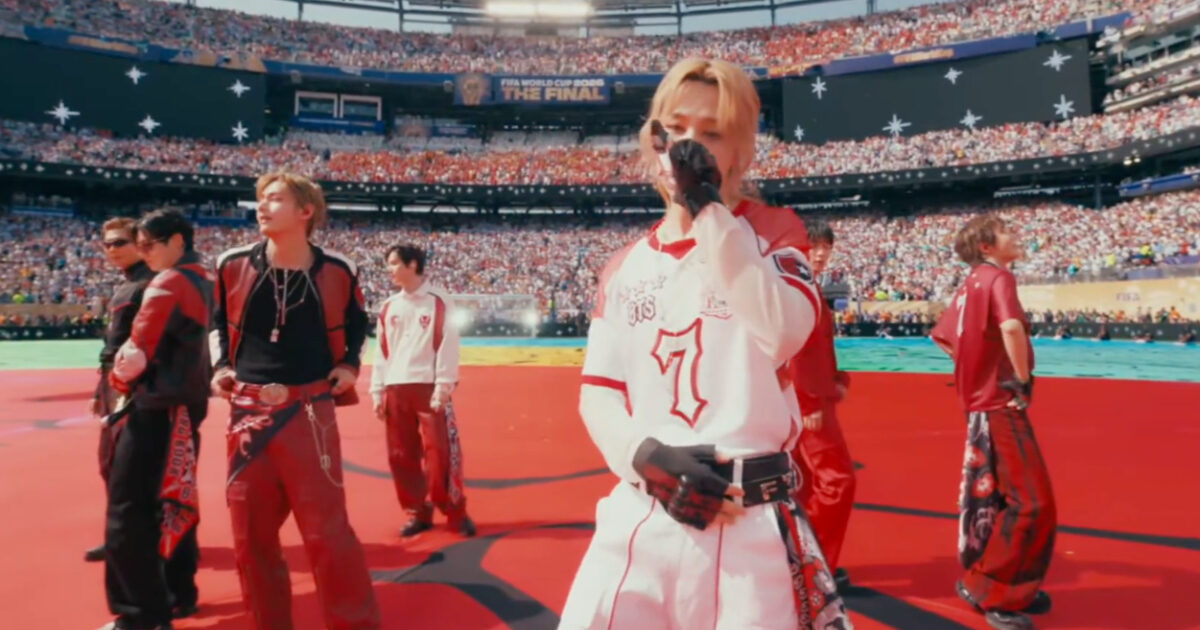
The group’s appearance during the World Cup halftime show generated enormous global attention, but it also received mixed reactions from viewers. While many praised the production and stage presence, others debated aspects of the performance, including the live vocals.
The discussion expanded beyond entertainment media when Kelly addressed the performance on her podcast, offering a blunt assessment that quickly spread across social media.
During the segment, Kelly criticized both the choreography and the group’s performance style.
“The lip-syncing and dancing looked like a college boy band trying to imitate BTS. The acrobats were actually doing a good job. But the band… look how low-energy they seem, even their movements. This is nothing like Michael Jackson at the Super Bowl. They just look tired.”
https://twitter.com/i/status/2079918762745090107
Her comments immediately drew widespread attention, with clips circulating across multiple platforms and prompting thousands of responses from fans and critics alike.
Many BTS fans strongly disagreed with Kelly’s assessment, arguing that the group delivered a demanding performance while balancing choreography, live production requirements, and the enormous pressure of performing at one of the world’s biggest sporting events.
Supporters also pointed out that comparisons to legendary halftime performances, such as Michael Jackson’s Super Bowl show, were unfair because of the different production formats and performance conditions.
Others defended Kelly’s right to express her opinion, saying that high-profile performances are naturally subject to public criticism and that viewers are entitled to discuss whether the show met their expectations.

The debate quickly spread across social media, where users remained sharply divided. Some agreed that the performance lacked energy compared to previous BTS stages, while many others argued that the criticism exaggerated isolated moments and ignored the overall scale of the production.
The controversy has once again highlighted how BTS’ major public appearances often generate intense discussion far beyond the K-pop community, drawing commentary from entertainment outlets, political commentators, and mainstream media alike.
Whether viewers considered the performance impressive or underwhelming, one thing became clear: BTS’ World Cup halftime show continues to dominate conversations long after the final whistle, proving once again that the group’s global influence extends well beyond music.