When Netflix first announced its remake of Little House on the Prairie, the backlash was immediate. Long before a single episode premiered, social media was flooded with criticism from longtime fans who feared the streaming giant would completely rewrite Laura Ingalls Wilder’s beloved classic. Some even argued that the series would destroy the legacy of one of America’s most treasured family stories.
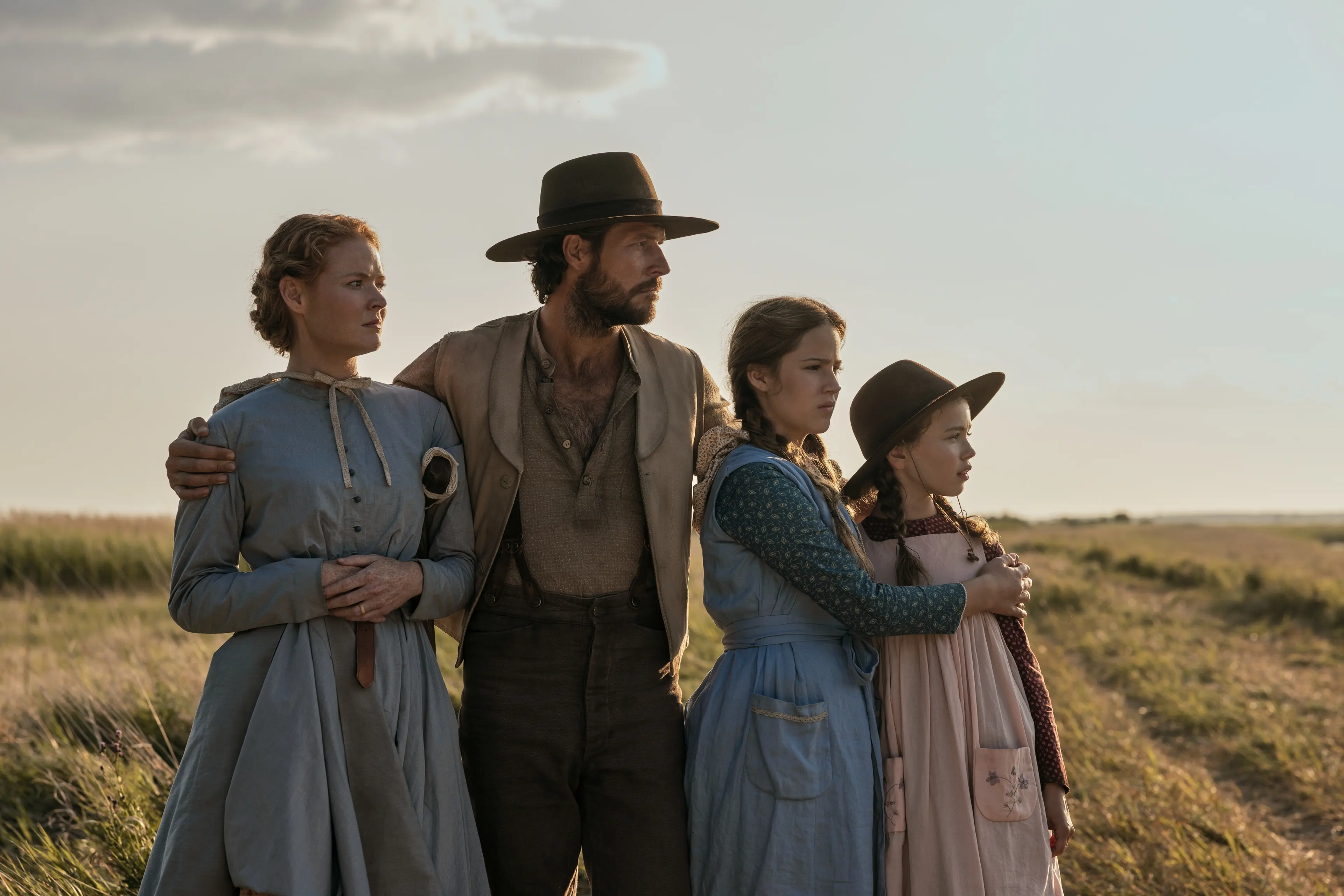
Among the loudest critics was television host Megyn Kelly, who went viral after warning Netflix against what she described as “woke-ifying” the franchise. Kelly publicly declared that if the streamer changed the original story to fit modern political ideals, she would make it her “singular mission” to ruin the project. Her comments quickly spread across social media and became one of the defining talking points surrounding the remake before audiences had even seen a trailer.
Those concerns only intensified after early reports suggested that Netflix intended to present a much more diverse version of Walnut Grove than viewers remembered. Instead of simply recreating the 1970s television series, the creative team promised a fresh adaptation inspired directly by Laura Ingalls Wilder’s books while also reflecting perspectives that had been largely absent from previous versions.
When the series finally premiered on July 9, 2026, it immediately became clear that Netflix had indeed taken a very different approach.
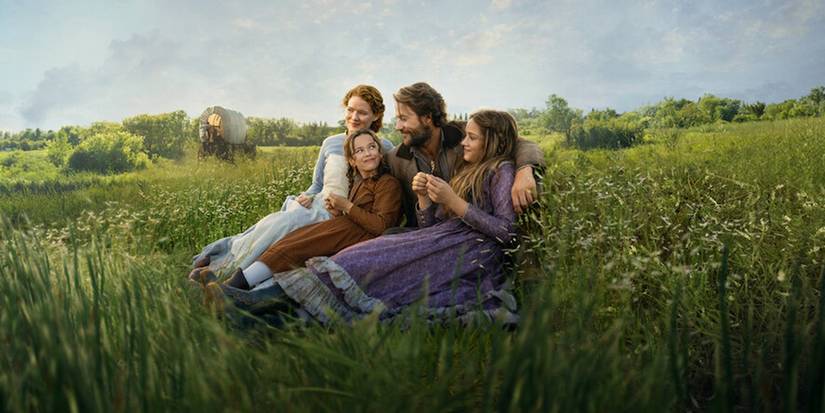
The new adaptation introduces an Osage family as some of the Ingalls family’s closest friends, features a Black doctor and a Black storekeeper as important members of the community, includes a French Canadian woman who openly challenges traditional gender expectations, and even reimagines several familiar characters. Laura develops a close friendship with an Osage child, Mary is portrayed differently than in previous adaptations, and even Jack, the Ingalls family’s loyal dog, has been redesigned into a border collie instead of the bulldog many readers associated with the original books.
These creative decisions instantly reignited debate online.
Some critics argued that Netflix had dramatically modernized the story in ways they believed drifted away from the source material. Others described the remake as a deliberate attempt to reinterpret the frontier through a contemporary lens, placing greater emphasis on racial diversity, inclusion, and perspectives that earlier adaptations rarely explored.
Yet despite the controversy—or perhaps partly because of it—the audience response turned out to be far more positive than many had predicted.
Instead of rejecting the series, viewers praised how the remake managed to preserve the emotional heart of Little House on the Prairie while refreshing the relationships between its characters. Many fans highlighted the stronger family dynamics, richer emotional storytelling, and more nuanced supporting cast, arguing that the updated version felt surprisingly faithful to the themes of kindness, resilience, and community that made the original story so beloved.
Rather than replacing those timeless values, many viewers felt Netflix had expanded them.
The impressive reception was quickly reflected in the streaming numbers.
According to Netflix’s official weekly rankings, Little House on the Prairie debuted with 6.4 million views in just four days, making it the No. 3 most-watched English-language television series worldwide during the week of July 6–12. It ranked behind only I Will Find You, which led the chart with 11.5 million views, and the documentary series Worst Neighbor Ever, which attracted 8.1 million views during the same period.
The performance is even more remarkable considering the show had only been available since July 9, giving it less than half the tracking period enjoyed by many competing titles.
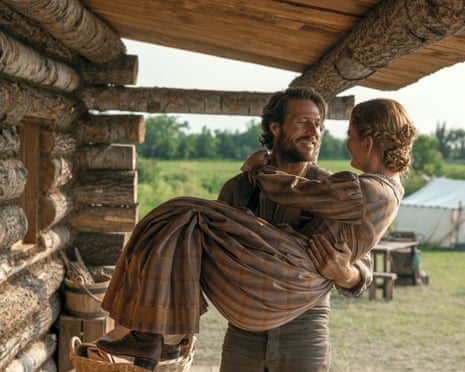
Meanwhile, Netflix has already demonstrated its confidence in the project by renewing Little House on the Prairie for a second season before the first season had even completed its opening week. That early renewal now appears increasingly justified as strong audience interest continues to build.
For many industry observers, the remake’s launch represents a fascinating example of how online controversy does not always predict real-world audience reactions.
Before release, countless discussions focused almost entirely on whether Netflix had changed too much. Headlines emphasized political arguments, while social media debates centered on accusations that the streamer was abandoning the spirit of Laura Ingalls Wilder’s work.
After release, however, the conversation shifted dramatically.
Instead of focusing solely on the changes, many viewers began discussing the performances, emotional storytelling, family relationships, and the series’ ability to balance classic frontier themes with a broader historical perspective. Even people who admitted they had approached the remake with skepticism acknowledged that the finished product was far more heartfelt than they had expected.
That doesn’t mean every critic has changed their opinion. Some reviewers continue to argue that the modernization goes too far, describing the adaptation as a clear attempt to reinterpret the books through today’s cultural lens. Others believe those changes make the world feel more historically complete and accessible for modern audiences.

Ironically, the very elements that once fueled the strongest backlash have now become some of the series’ most frequently praised features among new viewers.
Whether audiences see the remake as a bold reinvention or a respectful modernization, one fact is becoming increasingly difficult to dispute: Netflix has successfully turned one of its most controversial adaptations into one of its biggest television launches of the summer.
Only weeks ago, many predicted the remake would become another failed reboot buried beneath criticism.
Instead, Little House on the Prairie has emerged as one of Netflix’s biggest success stories of July 2026—proving that sometimes the loudest pre-release controversies are only the beginning of a very different story.