“Look straight into the camera…”
Stephen Colbert audience ERUPTS as ICE ‘goon’ becomes national laughing stock — not for what he thought they’d cheer about!
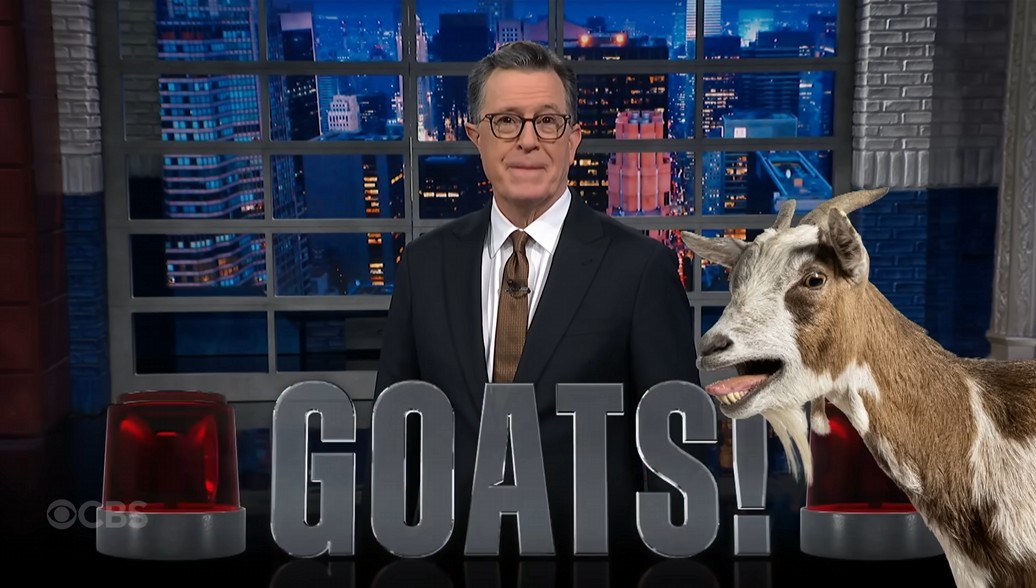
Stephen Colbert’s studio audience didn’t just chuckle — they lost it this week when a clip aired of a high-ranking ICE operative slipping over on literal ice. Yes, you read that right. As tensions over a fatal ICE shooting gripped the nation, the “Late Show” host served up something almost cathartic: comedy gold at the expense of a federal agent. But this wasn’t your typical late-night bit… it was a bizarre, jaw-dropping moment in a story that has torn America apart.
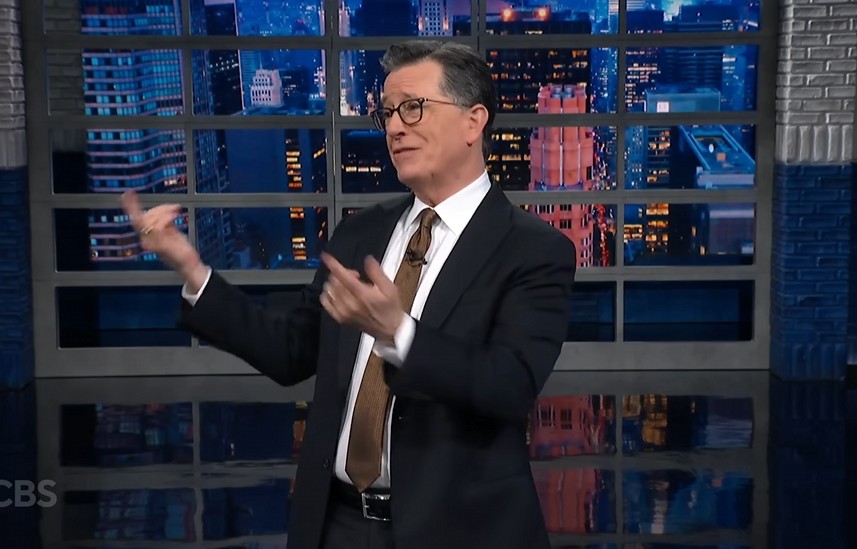
On Tuesday night, Colbert paused the grim news cycle to offer what he called a “bright side” — and the crowd howled with laughter. “Look straight into the camera here,” he said, cueing footage of a U.S. Immigration and Customs Enforcement officer — previously deployed in a deadly Minneapolis operation — losing his footing on actual ice and landing flat on his back like an outtake from a slapstick comedy.
It might seem small — maybe even silly — but for many Americans exhausted by grim headlines and sharp political division, it struck a chord. This wasn’t cheering for bureaucracy or violence. It was laughter at the absurdity of the moment — an instant of humanity caught on tape. And boy, did the audience gobble it up.
Why the world is watching — and raging — over ICE in Minneapolis
Just days before Colbert’s now-infamous clip went viral, the nation was stunned by a much darker episode involving ICE: the killing of 37-year-old Minneapolis mom and poet Renee Nicole Good.
On January 7, 2026, Good — a U.S. citizen, mother of three, and devoted partner — was shot and killed by an ICE agent during a federal enforcement operation in the heart of Minneapolis, just a few blocks from where George Floyd was killed in 2020.
The incident unfolded on a snowy residential street as Good was returning home — just after dropping her child off at school — when masked federal agents surrounded her SUV. Confusion, tension and chaos followed. Video footage shows Good’s vehicle stopped sideways in the street with at least four ICE officers nearby.
According to videos widely circulated online, one ICE agent approached Good’s car and, moments later, fired multiple shots, striking her. She was rushed to a hospital but later died of her injuries.
Feds say self-defense — locals say horror
The Department of Homeland Security and federal officials immediately defended the agent’s actions, claiming that Good attempted to run over officers and that the agent fired in self-defense. President Donald Trump backed this version, framing the shooting as a necessary response to aggression.
But eyewitness accounts, bystander video, and local authorities sharply dispute that narrative. Minneapolis Mayor Jacob Frey has called the federal claims “bullshit,” stating that the video shows Good attempting to leave, not attack, and that the agent was not struck in a way that would justify deadly force.
One of the chilling details shared by the mayor — and picked up widely on social media — is how the officer walked away from the scene seemingly unfazed, even holding a cell phone afterward, an action Frey said “speaks for itself.”
Neighbors and activists have echoed these criticisms, insisting Renee Good posed no immediate threat and was not part of any violent protest. Officials, friends, and relatives painted a starkly different picture from federal spokespeople — one of a woman described by loved ones as thoughtful, gentle, and full of life.
The woman behind the headlines
Who was Renee Good — the name now etched into national controversy?
She was a 37-year-old mother of three children (ages 6, 12 and 15), a writer and poet, and a partner to her wife, Becca Good. Friends and family describe her as warm, compassionate, and creative — someone who once described herself online simply as a wife, mom, poet and explorer of life.
Her wife’s public statement after the tragedy was both tragic and poetic. “We had whistles. They had guns,” Becca wrote, a haunting line that has since spread across newsfeeds and protest signs nationwide.
Good had recently moved to Minneapolis with her family in search of a fresh start. An extended memorial service drew mourners and activists alike, and vigils were held in multiple cities.
Standoff not just in Minneapolis — but across America
The political fallout has been intense. Thousands have marched in protest. Minnesota officials have demanded federal accountability. State leaders even filed lawsuits seeking to end ICE’s deployment in Minnesota altogether.
Even as the FBI continues its investigation, the U.S. Department of Justice has announced there is no basis for a civil rights probe, a decision that has drawn criticism from civil liberties advocates and prompted multiple federal prosecutors to resign in protest.
The resignations, rare and dramatic, spotlight widening discontent within the Justice Department and deep partisan divides over how law enforcement should operate — particularly in civilian settings.
Laughter in the face of outrage
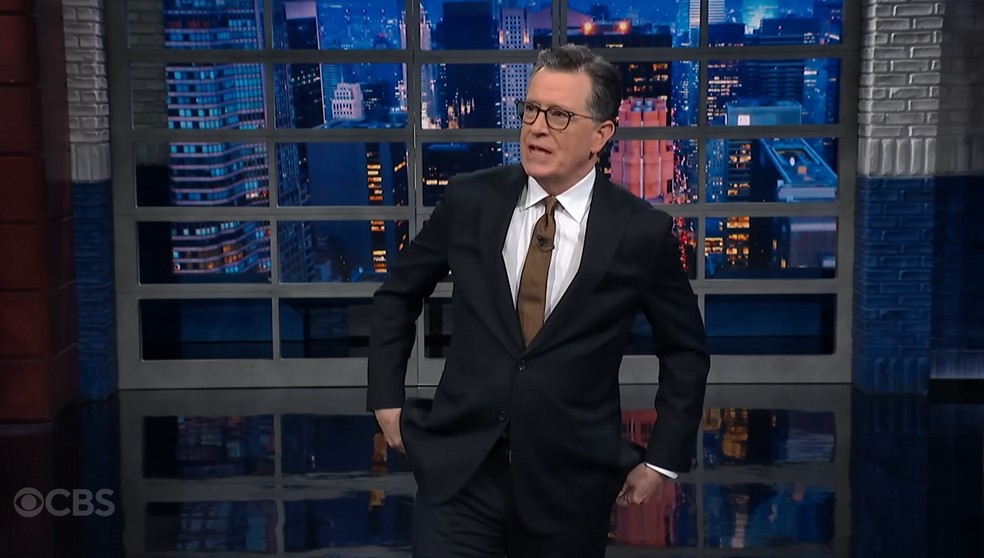
Against this backdrop of grief, protest, political warfare and national scrutiny, Colbert’s ice-slip clip struck a peculiar chord.
It wasn’t mockery of tragedy. It wasn’t derision of victims. It was a moment of levity — a tiny human slip that reminded viewers: even in the darkest times, people crave a release. And that release came not from the tragedy itself, but from the absurdity of watching a powerful figure stumble (literally) on something as banal as ice.
For Colbert’s audience, in that instant, it felt like a symbolic leveling — a reminder that even the hefty boots of federal agents are not immune to a simple slip-up. And the crowd’s reaction — laughter, cheers, applause — was not so much political as relief.
As the nation continues to debate, mourn, litigate, and protest, that brief burst of humor resonated — a tiny bright spot in a story full of shadows.