The screenwriter of the hit K-Drama Perfect Crown, Yoo Ji Won, has finally addressed the mounting controversy surrounding the show, but her belated apology seems only to have intensified public outrage. For several days, Yoo remained completely silent as criticism of the drama’s historical depictions reached a fever pitch. Fans were particularly vocal about perceived inaccuracies and distortions regarding Joseon royal customs and the imagined scenario of a modern constitutional monarchy. Many had expected a clear, heartfelt response, but when Yoo’s statement was finally released, it did little to calm the storm.
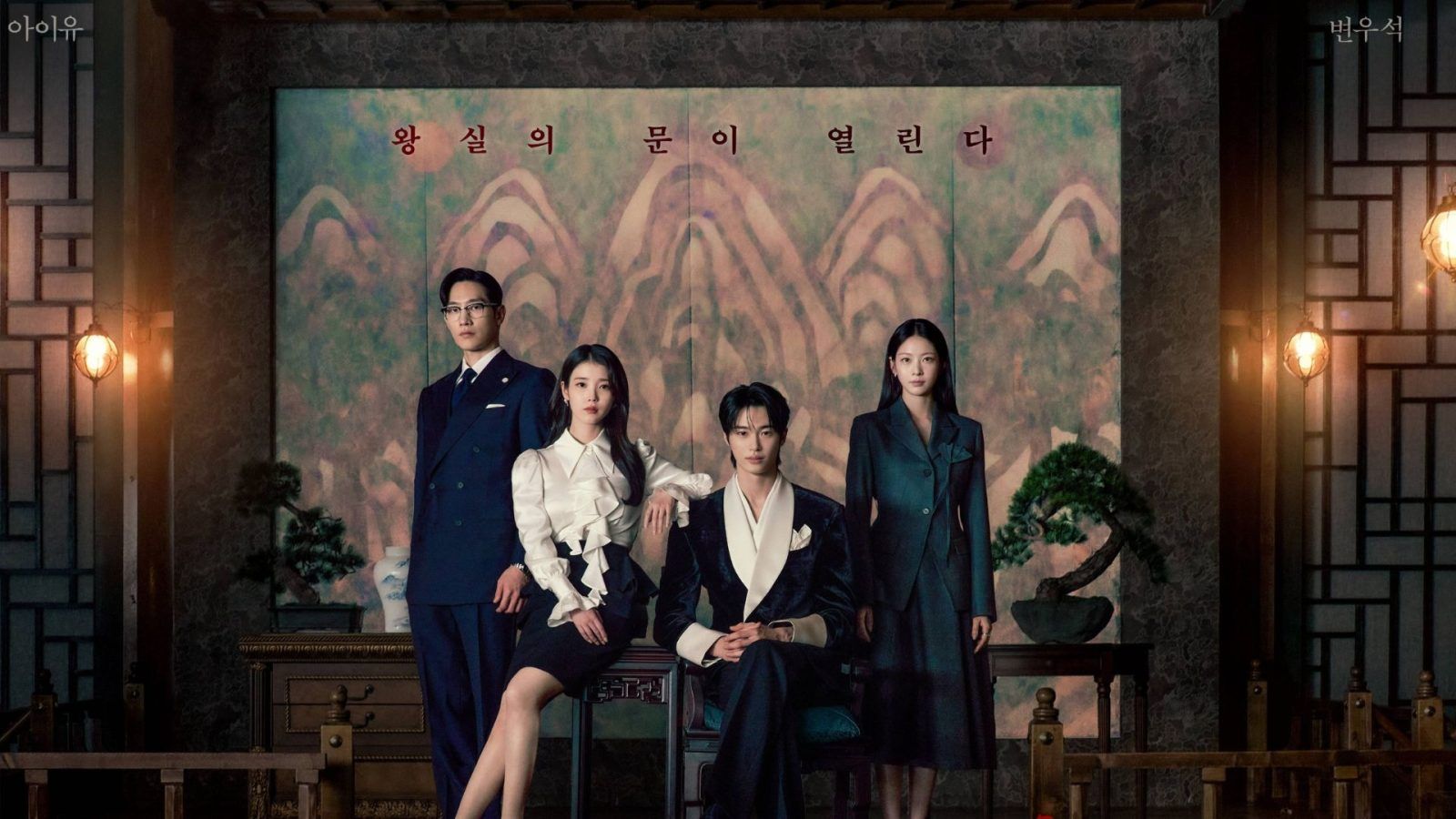
On May 19, 2026 (KST), Yoo Ji Won published her official statement through MBC’s website. In it, she attempted to explain the delay in her response, citing concern that her words might inadvertently cause further discomfort. She acknowledged, however, that the prolonged silence had only amplified viewers’ frustration. Opening her statement, Yoo wrote, “I sincerely apologize for disappointing and worrying viewers because of the controversy surrounding the show’s historical accuracy. I was cautious, worried that speaking out might cause even greater discomfort, and, as a result, it took me time to make this statement. I apologize for causing even more trouble to many people as a result.”
Yoo then described Perfect Crown as a romantic fantasy set within a fictional constitutional monarchy, based on the premise that the Joseon royal family had survived into the modern era. She stressed that the intent was to showcase traditional beauty and royal customs in a contemporary context. Yet, she admitted that her approach suffered from insufficient research and a lack of thorough historical verification. Key scenes, such as the use of the nine-beaded crown during enthronement and the ceremonial shouting of “cheonse,” drew widespread criticism for their inaccuracy. Yoo acknowledged these specific errors and expressed regret for failing to carefully consider the historical context while adapting Joseon rituals to a modern setting. She concluded that she would take all viewer opinions seriously and pledged to reflect on her shortcomings as a writer.
Despite this apology, however, many viewers were unconvinced. Online, netizens expressed frustration that Yoo seemed to reduce the controversy to minor historical inaccuracies when the backlash was, in their view, about something far deeper. Comments quickly proliferated, with repeated calls for the show to be removed entirely. The Korean word used in these posts, roughly translating to “discard,” conveyed a strong demand for Perfect Crown to be taken down and erased from circulation. Some also criticized the commercial aspect of the drama, pointing out related products such as script books and novelizations, and questioning whether an apology alone was sufficient.
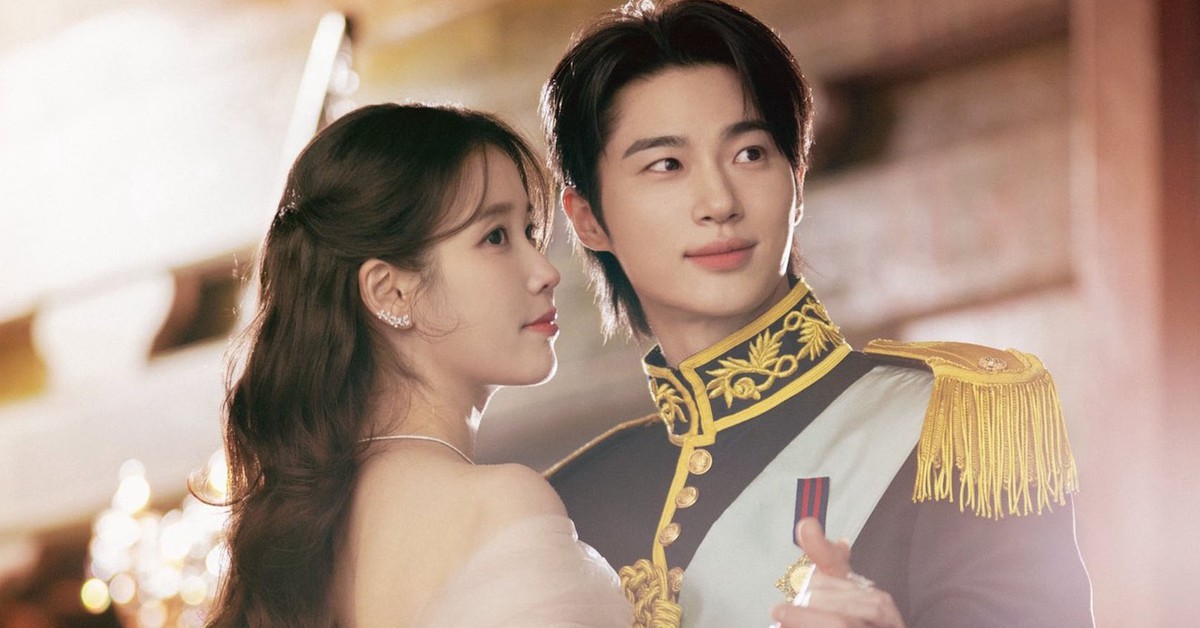
The tone of the response suggested that viewers felt the apology lacked substance and failed to address the core issues. Many were angered that Yoo appeared to focus on only a few controversial scenes, ignoring broader concerns about historical distortion. Comments online emphasized that this was not simply a matter of historical accuracy, but rather a significant distortion of history, which could not be mitigated merely by acknowledging two or three problematic moments. Viewers questioned the very premise of adapting Joseon royal customs into a modern fantasy framework without rigorous verification, noting that the drama spanned from episode one to the finale without clear attention to historical fidelity.
The backlash highlighted a growing distrust between audiences and the production team. Whereas Yoo Ji Won intended to demonstrate care and respect for tradition, many fans interpreted her statement as defensive and insincere. Some commenters even questioned her cultural understanding and ability to responsibly handle such sensitive material. The intensity of criticism made it clear that a simple apology would not suffice; viewers were demanding concrete action, including the removal of the series from broadcast and streaming platforms.
Ultimately, the statement intended to pacify audiences only magnified the controversy. By failing to directly confront the depth of public concern and limiting the apology to selected errors, Yoo Ji Won inadvertently fueled the movement for the K-Drama’s complete removal. This episode serves as a stark reminder that in the age of social media, audiences are not only attentive to the content itself but also to how creators respond to criticism. Perfect Crown now stands at a critical crossroads, with its fate hinging on whether further measures will be taken to address the escalating backlash and restore public trust.

The unfolding situation underscores the delicate balance between creative freedom and historical responsibility in period dramas. While Yoo Ji Won’s intentions may have been to blend fantasy with traditional heritage, the response demonstrates that audiences are increasingly vigilant and uncompromising when they perceive cultural misrepresentation. As the debate continues, it remains uncertain whether Perfect Crown can weather the storm, or whether the series will ultimately be consigned to the very fate its viewers are demanding.