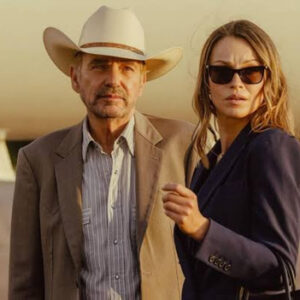
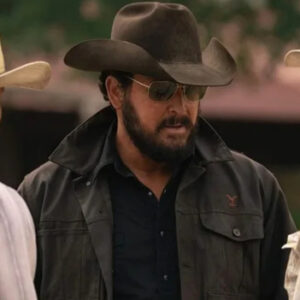
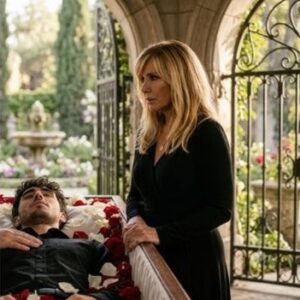
Annette Bening is entering another important chapter in a career that has already stretched across more than 45 years. Long celebrated for her work in feature films, the acclaimed actress has recently become increasingly visible on television, taking on ambitious projects that allow her to explore characters over a much longer period of time. Among her latest roles are an appearance in the Apple TV series Lucky, alongside Anya Taylor-Joy and Timothy Olyphant, and a part in Paramount’s highly anticipated Yellowstone sequel, Dutton Ranch, where she works alongside Kelly Reilly and Cole Hauser. For Bening, however, joining a major television production is never simply about the scale of the project or the popularity of the franchise. Her decisions begin with the story and the writing, but another essential factor is the group of people she will be working with.
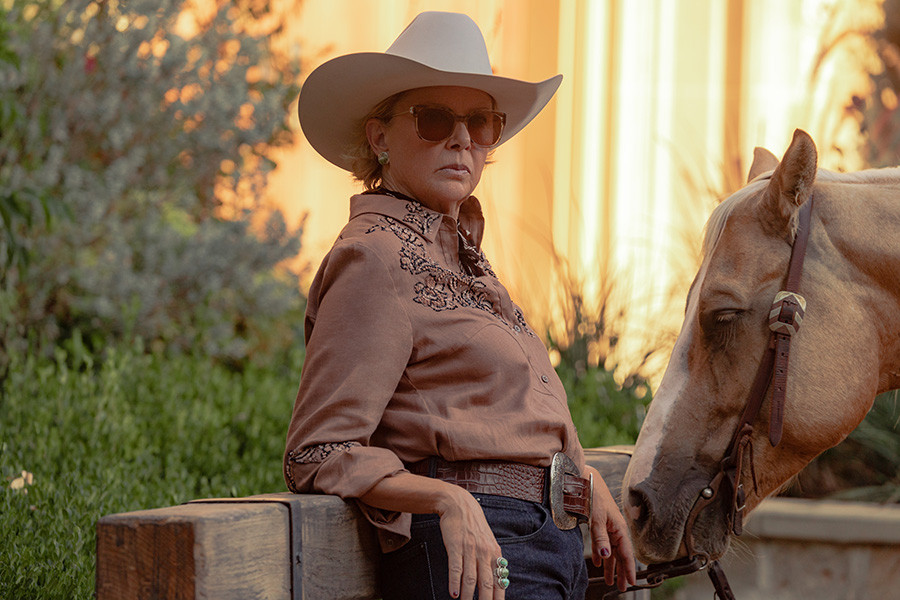
When discussing how she chooses projects after decades in the profession, Bening explains that there is rarely one single reason behind a decision. Instead, several elements have to come together. The writing and the story are usually the starting point because she needs to feel that a character offers something substantial to explore. Television and streaming productions can make that process more complicated because actors are often asked to commit before every episode has been completely written. In those situations, Bening pays close attention to conversations with the creative team. She listens to how the writers, producers and showrunners describe the direction of the story and considers whether the character sounds rich enough to sustain her interest over time.
What particularly attracts Bening is the possibility of discovering something she has not done before. After such a long and varied career, finding unfamiliar territory can be especially valuable. She looks for roles that give her something she can “get her teeth into,” whether that means an unusual character, a different storytelling environment or a new way of working. That approach helps explain why projects such as Lucky and Dutton Ranch have become significant additions to her recent work. Rather than remaining exclusively associated with feature films, she has embraced television as another creative space in which she can continue challenging herself. The change is not simply a move from one screen to another; it gives her a different relationship with both the character and the story.
Bening describes television work as particularly exciting because of the amount of time actors can spend inside a character’s world. A film production may require an intense period of work, but a television series can continue across a considerably longer stretch. She experienced that strongly while working on Dutton Ranch. Spending so much time on the production meant living with the character, the crew and the developing story for an extended period. Instead of knowing every detail from the beginning, she could watch the narrative unfold while she was actively participating in it. That uncertainty became part of the appeal, allowing her performance to develop alongside the evolving material rather than being completely fixed before production began.
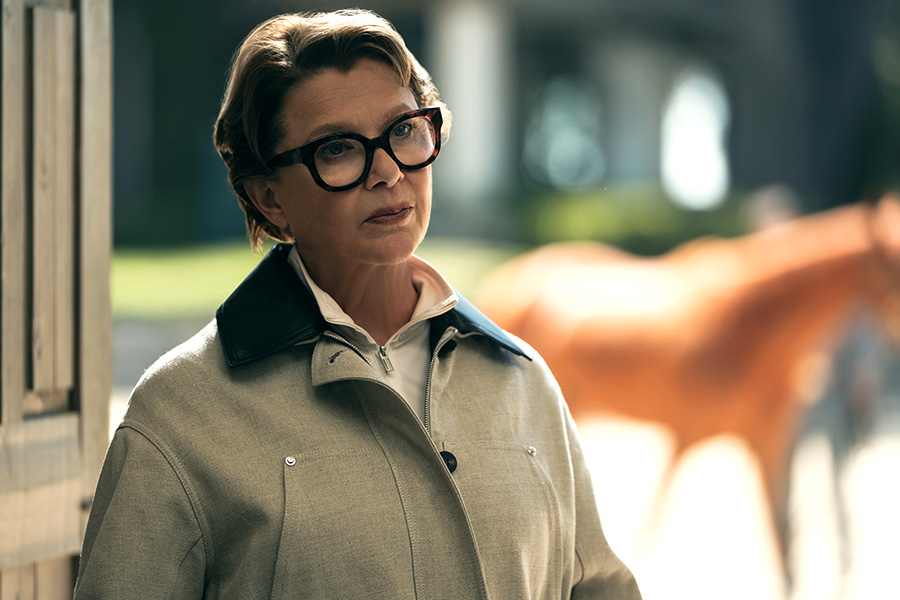
For an actress with Bening’s experience, that ongoing process also creates opportunities for discovery. Every new scene can reveal another side of a character or suggest a direction that was not obvious earlier. She enjoys being able to follow those discoveries and contribute ideas that might make a scene deeper, more complex or simply different from what was originally expected. Television therefore offers her a kind of creative flexibility that she finds stimulating. The longer production schedule means there is time to become immersed in the character while continuing to respond to new scripts, new circumstances and new creative possibilities. Instead of treating uncertainty as a limitation, Bening sees it as part of what makes the format interesting.
Yet the script and the opportunity to explore a character are only part of the equation. One of the most important factors for Bening is collaboration. For her, acting ultimately depends on the people sharing the creative space. A strong scene does not exist in isolation; it emerges from the interaction between performers, directors, writers and showrunners. That is why the identity and approach of her collaborators can influence whether she wants to become involved in a project. On a series such as Dutton Ranch, where she is working alongside established performers including Kelly Reilly and Cole Hauser, those relationships become particularly important because the cast and crew may spend a substantial amount of time together while building the larger story.
Bening says that much of the enjoyment comes from seeing what happens when different personalities, talents and creative strengths meet. Sometimes the crucial relationship is between an actor and a director; at other times, it develops between fellow actors or through conversations with a showrunner. She appreciates what she describes as the mixture of everyone’s interests and abilities coming together in the same production. Rather than viewing acting as an individual pursuit, she values the feeling of creating something collectively as a company. That philosophy helps explain why her fellow cast members and the wider creative team matter so much when she evaluates a potential role. A compelling character may attract her attention, but the opportunity to build something with people she respects can make the experience far more rewarding.

After more than four decades of acting, Bening’s growing presence in television demonstrates that she is still interested in unfamiliar challenges rather than relying solely on the kind of work that established her reputation. Lucky and Dutton Ranch represent different opportunities, but both reflect the qualities she continues to seek: strong storytelling, characters with room for exploration and collaborators capable of making the creative process exciting. Her involvement in the Yellowstone universe is therefore more than another high-profile credit. It represents a new milestone in a long career and highlights why television has become such an appealing medium for her. For Bening, the right project begins with a story worth telling, but what ultimately brings that story to life is the chemistry, curiosity and collaboration of the people in the room.