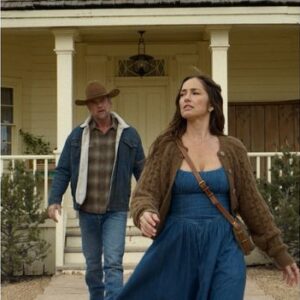
More than 40 years after the original television adaptation ended its legendary nine-season run on NBC, Laura Ingalls Wilder’s beloved semi-autobiographical novels have once again been brought to life on screen. Netflix’s new adaptation of Little House on the Prairie, developed by Rebecca Sonnenshine and executive produced by Trip Friendly — the son of original series producer Ed Friendly — revisits the unforgettable journey of the Ingalls family while introducing the story to a new generation of viewers. Blending family drama, historical adventure and coming-of-age themes, the series follows the family’s difficult search for a new beginning in the aftermath of the American Civil War, while also exploring the deeper conflicts hidden beneath the nostalgic image of frontier life.

The story is told through the perspective of 8-year-old Laura Ingalls, played by Alice Halsey, whose youthful curiosity and fearless personality shape the audience’s view of the world around her. Laura introduces her family’s enormous westward journey, an almost 800-mile trek that takes them away from their home, their memories and everything familiar in Wisconsin’s Big Woods. Along the way are moments of excitement and discovery, but the reality of frontier life quickly becomes clear. As the Ingalls family approaches Independence, Kansas, their dream of a fresh start is threatened by dangerous obstacles, including a terrifying river crossing that highlights just how unpredictable and deadly these migrations could be.
Although the series carries a slower and more traditional storytelling style compared with many modern dramas, that simplicity allows its emotional themes to stand out. At its core, Netflix’s Little House on the Prairie is not only about survival on the American frontier, but also about family bonds, sacrifice and the complicated cost of chasing the American dream. The show explores how decisions made by one person can shape the lives of an entire family, especially during a time when women and children had little control over their own futures.
Charles Ingalls, portrayed by Luke Bracey, is a loving and devoted father who wants to provide a better life for his wife and daughters. However, even though he is portrayed as compassionate and progressive for his era, his dreams and choices still determine the direction of the family’s journey. Caroline, played by Crosby Fitzgerald, and daughters Mary and Laura are often forced to adapt to decisions they did not make themselves. The family’s move west, the construction of their new home, financial struggles, encounters with dangerous individuals and unexpected hardships all reveal the limitations placed on women during the period.
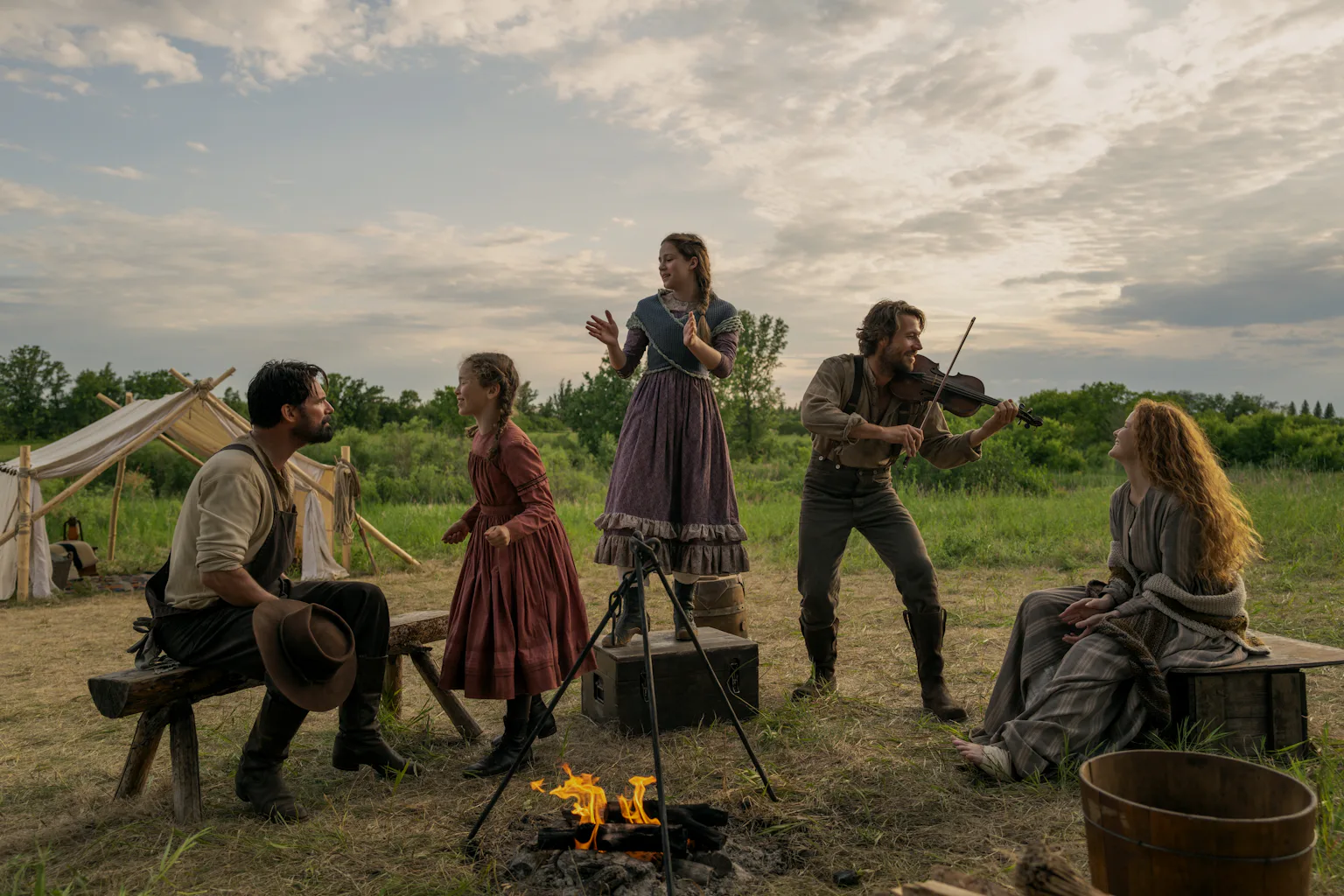
One of the most powerful elements of the series is the relationship between Laura and her older sister Mary, played by Skywalker Hughes. Their bond represents two very different ways of experiencing the world. Laura is adventurous, outspoken and unwilling to simply follow expectations. She constantly asks questions, explores unfamiliar places and embraces experiences that others fear. Much like her father, she possesses a fearless spirit and curiosity that often pushes her into conflict with her mother’s concerns.
Mary, on the other hand, represents responsibility and stability. She is quieter, more cautious and more comfortable with traditional roles, preferring sewing, helping Caroline and maintaining order rather than exploring the wilderness. Because she is the oldest daughter, Mary carries the emotional weight of the family’s struggles and often feels responsible for protecting Laura, even when her younger sister’s boldness frightens her.
This contrast between the sisters becomes especially meaningful in Episode 6, “Peace on Earth,” when the Ingalls family spends their first Christmas snowed in and isolated in Independence. With Caroline nearing the end of her pregnancy and still affected by a disagreement with Laura, Mary takes on the responsibility of creating a memorable Christmas for her younger sister. The episode highlights the often-overlooked pressures placed on eldest daughters, showing how maturity and sacrifice can arrive much earlier than expected.
Beyond the family story, Netflix’s adaptation also examines the darker realities of America’s expansion. Set shortly after the Civil War, the series presents a nation still struggling to define itself. Behind the beautiful landscapes and hopeful pioneer dreams are painful issues involving racism, discrimination, land conflicts and the displacement of Indigenous communities.
The relationship between settlers and the Osage tribe is one of the most significant historical elements explored in the show. While the series presents these issues through a more accessible and softened lens, it acknowledges the devastating consequences of westward expansion and the government policies that took land from Indigenous people who had lived there for generations. The story also addresses prejudice toward Black Americans during this period, offering a glimpse into the experiences of free Black citizens after the Civil War.
Dr. Tann, portrayed by Jocko Sims and inspired by a real Black physician who helped the Ingalls family, represents a rarely highlighted part of American history. Born free in Philadelphia, his character challenges the limited portrayals of Black life often seen in frontier stories and demonstrates the important contributions of Black professionals despite widespread discrimination.
The series also explores how large institutions, including the government and expanding railroad companies, influenced the lives of ordinary settlers. The promise of owning land and building a better future attracted countless families westward, but many were also manipulated by powerful forces that benefited from their hopes and desperation.

Ultimately, Netflix’s Little House on the Prairie presents a story that is both nostalgic and unexpectedly complex. It celebrates family, resilience and community while acknowledging the painful realities behind America’s frontier expansion. For longtime fans of Wilder’s books and the original television series, the adaptation offers familiar emotional connections, while new viewers are introduced to a world filled with courage, hardship and difficult choices.
The first season ends with the Ingalls family finally establishing themselves in Kansas, but their journey is far from over. Independence represents only the beginning of a much larger adventure, and with Netflix already confirming Season 2, the family’s next chapter promises to bring new struggles, new challenges and deeper explorations of the forces shaping their lives.