The return of Euphoria after more than four years was expected to be a major television event, but instead it has quickly spiraled into a wave of controversy. Rather than being celebrated for its storytelling or artistic evolution, the third season has been overshadowed by mounting criticism and behind-the-scenes issues that have turned its release into a media storm.
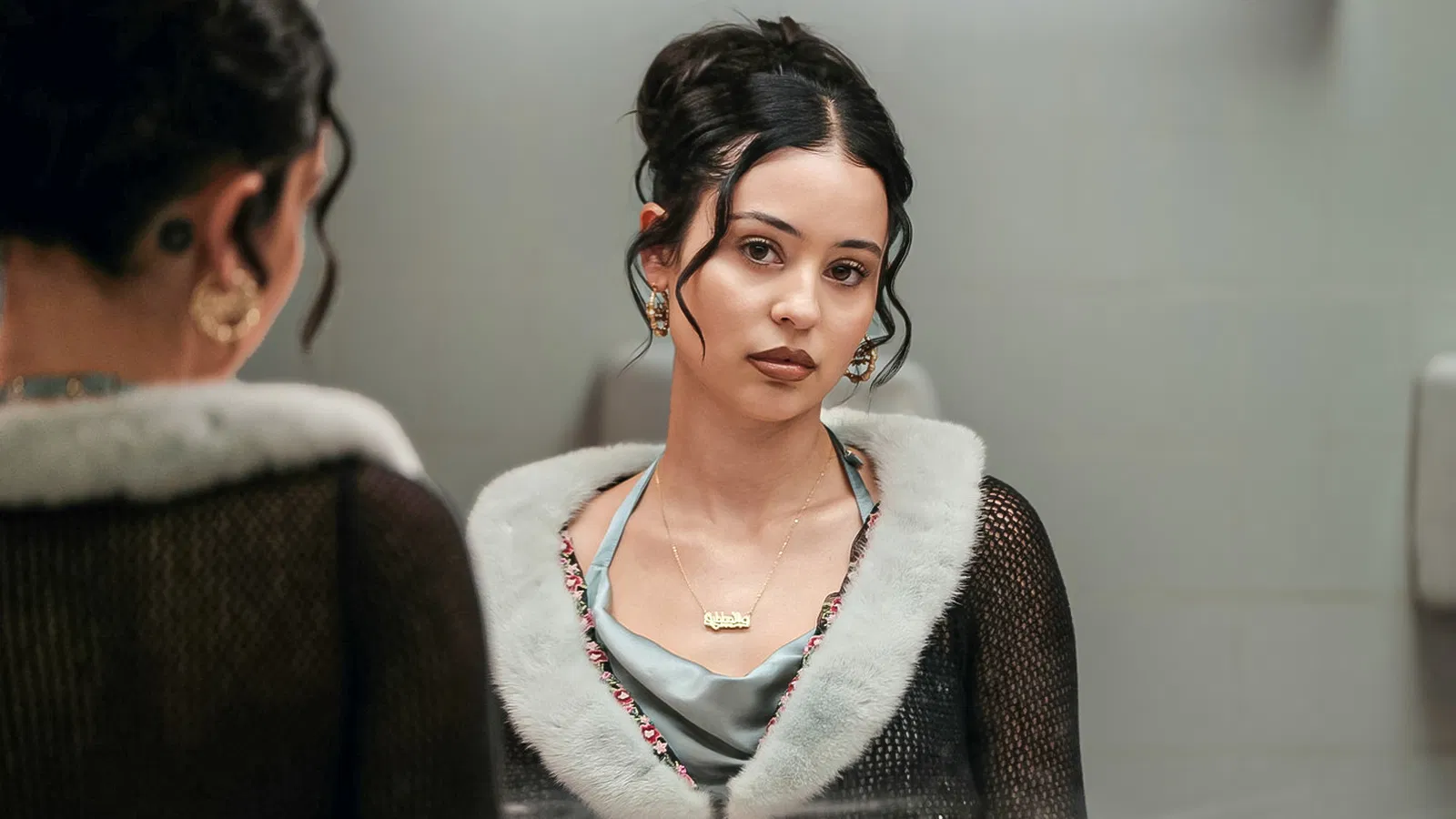
Season three has been a long time coming. The second season aired in early 2022, and since then, fans have waited over four years for new episodes. The delay can be attributed to multiple factors, including the impact of COVID-19, disruptions caused by wildfires in Los Angeles, and the increasingly busy schedules of its cast, many of whom have become major stars. Over time, another unavoidable issue emerged: the cast themselves have aged beyond their original high school roles. To address this, the show introduces a five-year time jump in its storyline. While this decision may have been necessary, it has also raised concerns about whether it disrupts the natural progression of the characters and weakens the emotional continuity that originally defined the series.
Beyond the delay, early reactions to the plot of season three have been particularly harsh. The show has always been known for tackling difficult subjects such as addiction, trauma, sexuality, and identity in a raw yet stylized way. However, critics argue that the new season crosses a line. Instead of offering thoughtful commentary, it appears to lean heavily into more exploitative and uncomfortable territory. Some reviewers have described the storytelling as overly harsh and lacking nuance, accusing it of humiliating its female characters rather than empowering them. The tone, once praised for its artistic boldness, is now being labeled as excessive and unsettling.
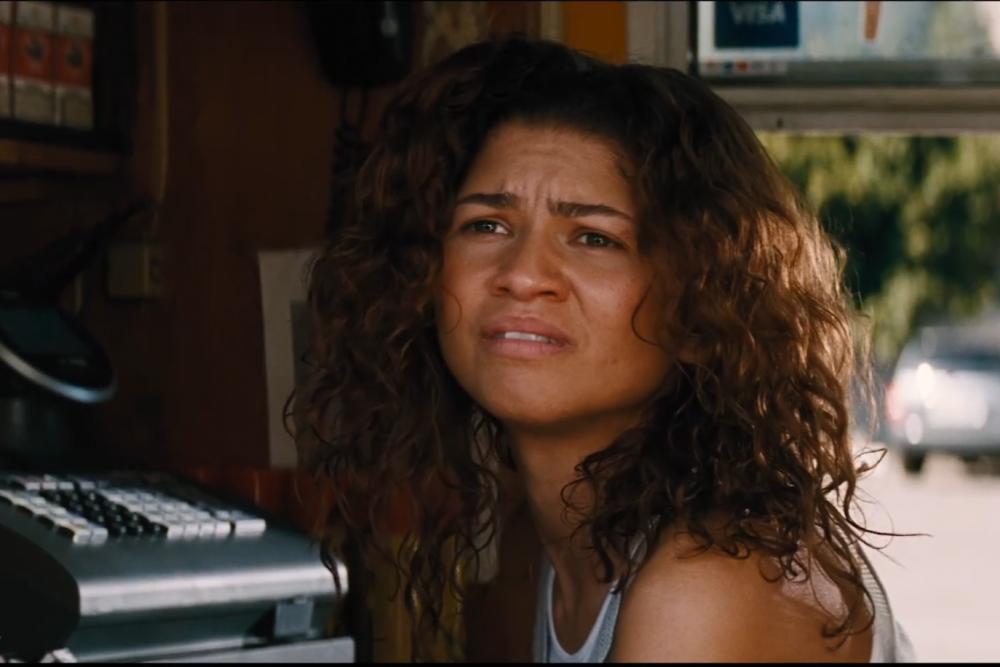
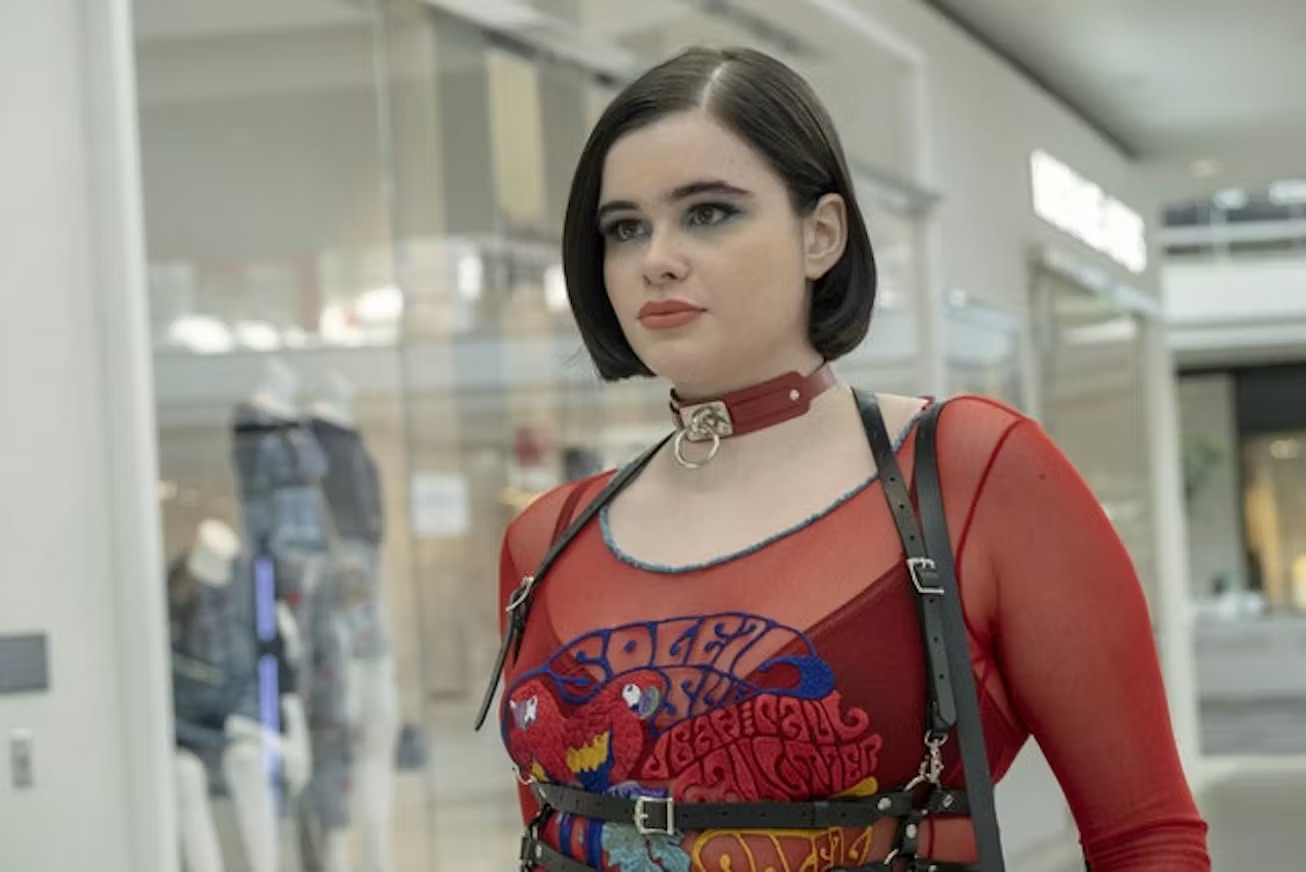
Compounding these issues are reports of tension behind the scenes. Creator Sam Levinson has been at the center of many of these controversies. During the previous season, there were reports of creative disagreements with Barbie Ferreira regarding her character Kat’s storyline. Although Ferreira later denied walking off set, her character does not return in season three, fueling speculation about unresolved conflicts. Additionally, rumors of a feud between Zendaya and Sydney Sweeney have circulated widely, though neither has publicly confirmed such tensions.
Zendaya’s behavior surrounding the new season has only intensified speculation. Despite being the face of the series, she kept a noticeable distance from its promotion. She attended the premiere but left shortly after walking the red carpet and has shared very little about the show on social media. Furthermore, she is no longer listed as an executive producer, which has led many to believe that her involvement in season three is largely limited to fulfilling contractual obligations rather than genuine creative investment.
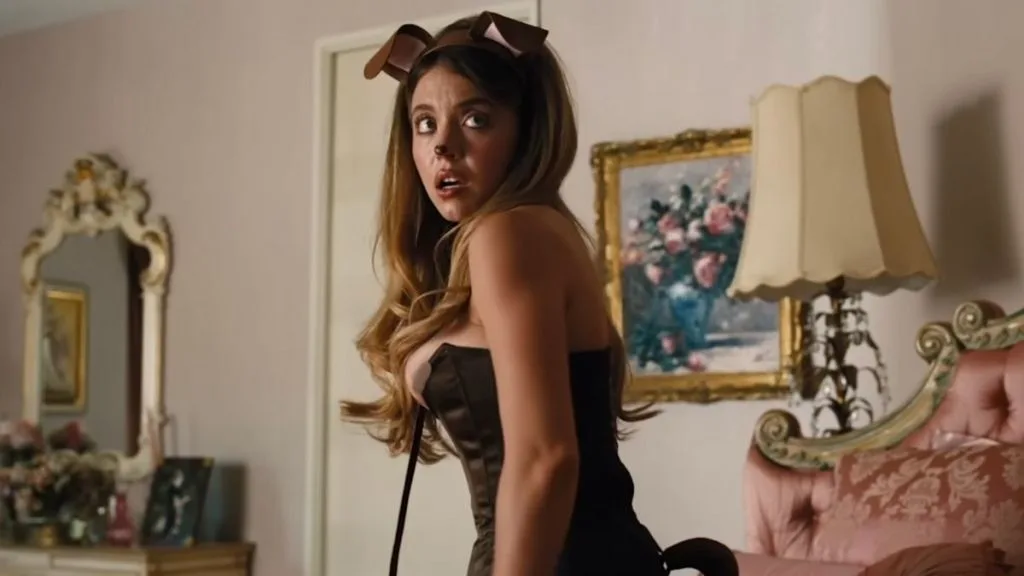
Another controversy that has sparked significant backlash involves one of the show’s more disturbing scenes. In a widely discussed clip, Sweeney’s character Cassie is depicted dressed as a baby while creating explicit content online. This follows an earlier moment where the character appeared dressed as a dog, part of a storyline about earning money for a future with Nate, played by Jacob Elordi. These scenes have been criticized for being uncomfortable and degrading, with many viewers questioning the intent behind such portrayals. Critics argue that these choices reflect a broader pattern in the show’s direction, suggesting an unsettling focus on humiliation rather than meaningful character development.
The controversy extends beyond the cast and storyline to the show’s music as well. Labrinth, whose atmospheric score became a defining element of Euphoria and even earned him an Emmy, has publicly distanced himself from the third season. In a blunt and emotional statement, he expressed his frustration with both the industry and the show, making it clear that he no longer wishes to be associated with it. This reaction came shortly after news broke that he would collaborate with Hans Zimmer on the new season’s music. Labrinth later clarified that he had spoken directly with HBO to ensure that none of his work would be used, marking a significant break from the creative partnership that once helped define the series’ identity.
Taken together, these controversies paint a complicated picture of a show that was once widely praised for its innovation and emotional depth. Season three arrives not as a triumphant return, but as a production weighed down by criticism, internal conflict, and creative uncertainty. Whether the series can recover from this backlash remains to be seen, but for now, its long-awaited comeback has become as much about the drama behind the camera as it is about the story unfolding on screen.