Mel Gibson has officially completed filming his long-awaited sequel to The Passion of the Christ, marking the end of a monumental 22-year journey. The movie, titled The Resurrection of the Christ, has been a passion project for the director since the success of the original 2004 film, and its final scenes were recently shot in Italy. With the filming now concluded, the film is poised to be released to a global audience.

The sequel has attracted considerable attention for multiple reasons. For starters, the project is so expansive that it will be released as a two-part theatrical event. The Resurrection of the Christ Part One is scheduled to premiere on Good Friday, March 26, 2027, while Part Two will follow exactly 40 days later on May 6, 2027, coinciding with Ascension Day. Lionsgate chair Adam Fogelson described the film as “spectacularly epic,” calling it “the most anticipated theatrical event in a generation,” reflecting the immense expectations surrounding it.
However, one of the most significant changes that has caught the attention of fans is the casting decision for the role of Jesus. While many assumed that Jim Caviezel, who portrayed Jesus in the original film, would reprise his role, it has been revealed that Finnish actor Jaakko Ohtonen will take over the character. This decision has surprised many, particularly since Caviezel had become synonymous with the role. According to the production team, they chose to recast rather than employ costly digital de-aging technology to retain Caviezel. A source close to the production explained that it would have been too expensive to use CGI for all the actors involved, making the recasting a more practical option.

This new direction for the sequel has also led to significant changes in the narrative approach. Unlike the first movie, which remained largely faithful to the Gospel, Gibson has indicated that The Resurrection of the Christ will not be a straightforward retelling. He has described the script as an “acid trip,” suggesting a deeply unconventional story that delves into the origins of evil, featuring encounters with fallen angels and intense battles between heaven and hell. In interviews, Gibson admitted that this was an incredibly difficult project to undertake, stating that it had been a challenging process to perfect. “I think if you’re not afraid of something like that, there’s something wrong,” he confessed. This hints that the film will offer a more complex and perhaps controversial exploration of faith and spirituality.
The production’s scale is reflected in its massive budget. Each part of the two-film series is estimated to have cost between $100 million and $125 million, making The Resurrection of the Christ the most expensive project Gibson has ever worked on. In an interview with the Christian Post, the director shared his motivations for pursuing such an ambitious endeavor, citing his lifelong belief in the human need for redemption. “I’ve been taught from a young age that we’re flawed… We’re broken, and we need help,” Gibson explained, which suggests that the film will explore themes of human fallibility, suffering, and salvation.
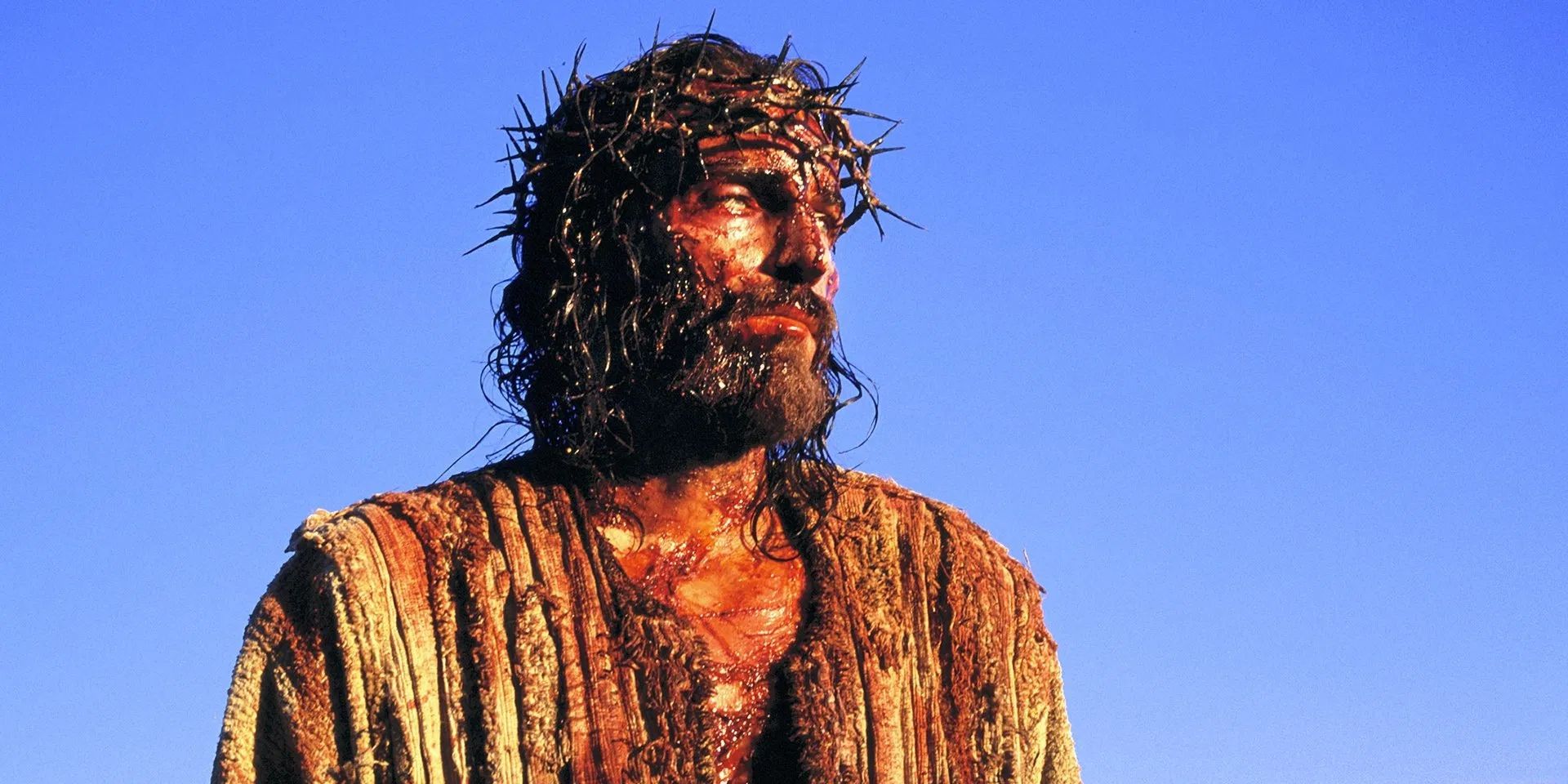
While the original Passion of the Christ was known for its use of ancient languages like Aramaic, there are rumors that the sequel may shift to English to appeal to a wider, more mainstream audience. This could potentially allow for broader accessibility, as the use of languages such as Aramaic was seen by some as alienating for non-Aramaic speakers. Nevertheless, whether the film remains in its original, more traditional linguistic style or embraces a modern approach, it is clear that Gibson’s vision for the sequel is bound to be groundbreaking in many ways.
Given the 22-year history of the film, it is easy to understand why anticipation for The Resurrection of the Christ is so high. Fans and critics alike are eagerly awaiting its release, curious to see how Gibson, known for his bold and often controversial cinematic choices, will tackle the next chapter in this powerful story. Despite the changes, particularly in casting and approach, the director’s dedication to telling stories about the human experience remains central to the film. As Gibson remarked on the long road to completing the film, “Life’s hard. But we’re all going. We’ve all got a boulder we’re dragging.” It seems that this sequel will continue to explore the human struggle for meaning and redemption, making it a truly monumental cinematic event.