On May 19, in Samcheong-dong, Seoul, Director Park Joon Hwa faced the media alone to address the controversies surrounding MBC’s drama “Perfect Crown.” The drama, which aired on Fridays and Saturdays, quickly became both a ratings success and a subject of intense criticism, with concerns ranging from historical inaccuracies to mixed opinions about the acting performances of the lead cast, IU and Byeon Woo Seok. Park’s press meeting lasted nearly fifty minutes, during which he offered extensive apologies and explanations for the issues that had sparked public debate.
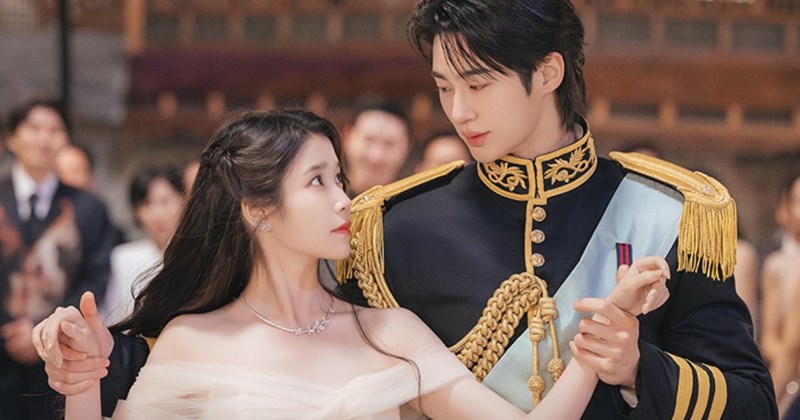
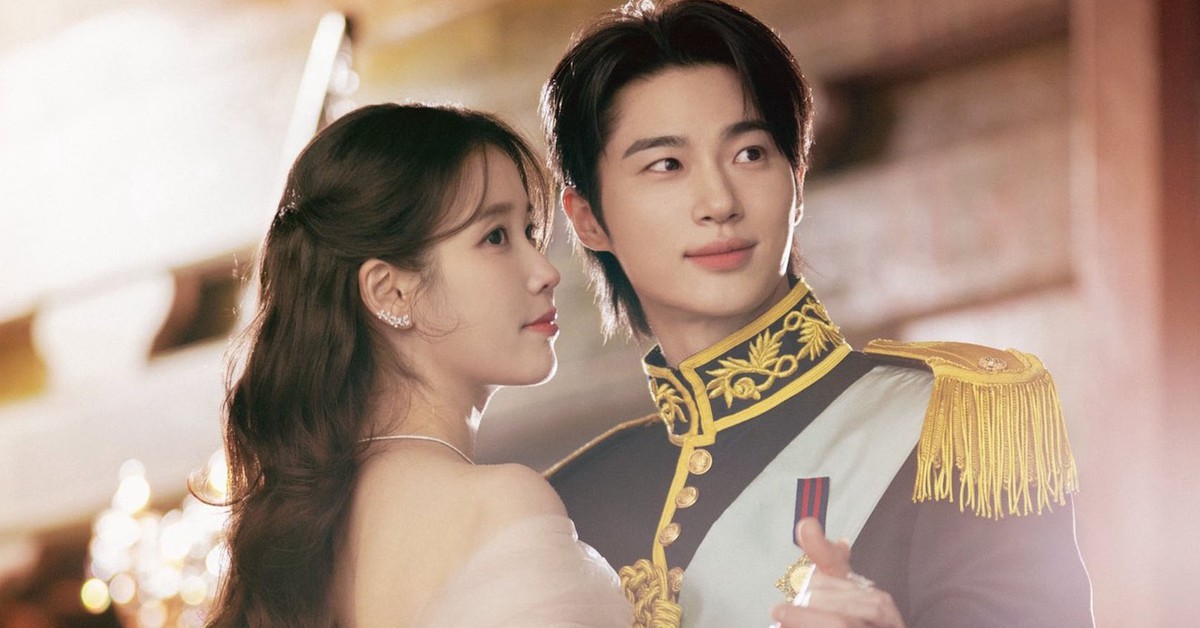
“Perfect Crown” is set in a fictionalized, 21st-century constitutional monarchy version of South Korea. The storyline follows a wealthy chaebol woman who feels constrained by her social status and a prince, the son of the king, who has little material wealth. Together, they navigate societal expectations and their own destinies, exploring themes of romance and class. The drama starred IU, Byeon Woo Seok, Noh Sang Hyun, Gong Seung Yeon, Yoo Su Bin, Lee Yeon, and Lee Jae Won, drawing viewers with its intriguing premise and charismatic cast. Despite its popularity, the series faced persistent criticism regarding historical distortions and other creative choices.
One of the most discussed points of contention involved the depiction of royal traditions. Although the drama is set in a modern monarchy, certain scenes featured the king wearing a traditional royal ceremonial crown during a coronation, and officials using the expression “Cheonse,” which many viewers deemed historically inappropriate. These anachronisms fueled debates online about the accuracy and authenticity of the show’s portrayal of royal customs, highlighting the tension between creative storytelling and historical fidelity.
In addition to these historical concerns, acting performances became a major topic of discussion. While some praised the cast, others expressed disappointment with the lead actors. Park Joon Hwa took the opportunity to acknowledge these differing opinions, emphasizing that both IU and Byeon Woo Seok had worked diligently on their roles. Regarding Byeon Woo Seok, the director remarked that he had seen the actor’s tireless effort to expand his acting range. “I can’t say it was perfect,” Park admitted, “but he genuinely worked hard and wanted to be recognized for it.” Concerning IU, Park highlighted her contribution to the drama’s early success, noting that her performance helped to soften potentially overwhelming scenes and added depth to her character. He described her portrayal as more layered and multidimensional than he had originally envisioned.
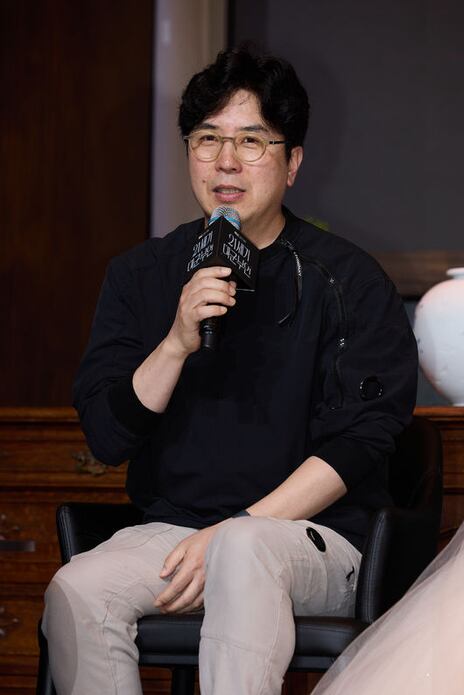
Park Joon Hwa also addressed criticisms of the drama’s script. He spoke on behalf of the writer, who had faced backlash for certain story decisions, explaining that the writer had experienced significant distress over the public response. “She deeply regrets and feels distressed that the project caused discomfort to so many people,” he said, expressing empathy for both the creative team and the viewers.
Throughout the interview, Park repeatedly expressed remorse, bowing his head and taking full responsibility for the drama’s reception. He apologized not only to the viewers but also to the cast, acknowledging that the actors had been affected by the controversies. He emphasized that his goal had been to create a joyful and enjoyable drama, and he expressed deep regret for the discomfort that arose as a result of the production’s shortcomings. At one point, he became visibly emotional, recalling an elderly viewer who was moved by a scene in the drama. “More than any explanation,” Park said, “I just felt deeply sorry for causing discomfort to people who approached the drama with those feelings.”
The press conference came at a time when the lead actors and one supporting actor, Lee Jae Won, had all canceled scheduled interviews, leaving Park Joon Hwa as the sole representative of the production team to publicly address the issues. His appearance underscored the weight of responsibility he felt, as he not only defended the cast’s efforts but also sought to convey his personal accountability for the controversies surrounding the drama.
Despite the challenges, “Perfect Crown” remained a prominent topic in entertainment media, reflecting the delicate balance between creative ambition and audience expectation. Park Joon Hwa’s extensive and emotional address highlighted the pressures faced by directors and writers in navigating public reception while maintaining artistic vision, and it demonstrated a sincere effort to acknowledge the concerns of viewers while honoring the hard work of the cast and crew. In the end, his apology served as both an acknowledgment of missteps and a heartfelt recognition of the audience’s engagement with the story, leaving a lasting impression of accountability and reflection within the South Korean entertainment industry.