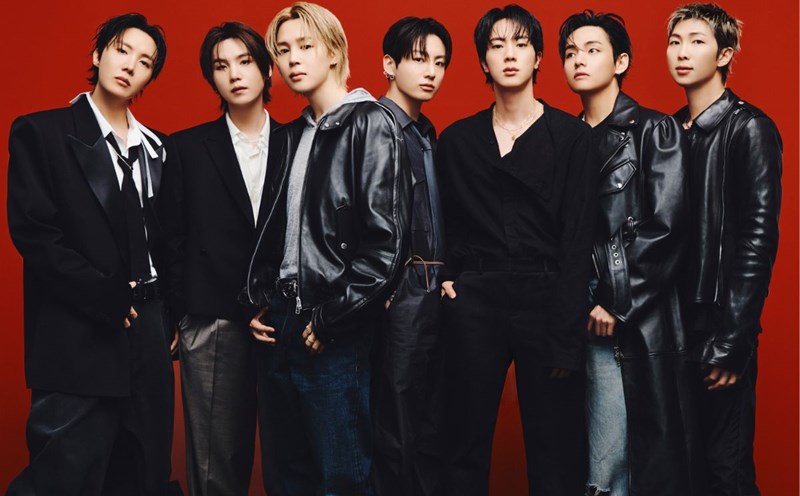
South Korea’s government has stepped in to address issues surrounding the upcoming BTS concert, scheduled as part of the group’s “BTS World Tour ‘Arirang’ in Busan” on June 12 and 13. The performances, coinciding with the anniversary of the group’s debut, are expected to attract a massive influx of both domestic and international fans, creating unprecedented demand for accommodations and straining local infrastructure.
In the weeks leading up to the concerts, reports emerged of dramatic price surges at hotels and guesthouses in Busan. According to a survey conducted in May by the Korea Fair Trade Commission and the Korea Consumer Agency, 135 lodging facilities in the city were examined, revealing that average room rates had increased 2.4 times compared to typical weekends. Motels saw the steepest hikes, with prices climbing 3.3 times their regular rates, while hotel prices jumped 2.9 times. In extreme cases, rooms normally priced at 100,000 won per night were listed at 750,000 won, and high-end accommodations with standard rates of 300,000 won surged to 1.8 million won per night.
Beyond inflated prices, fans expressed frustration at the frequent cancellations of pre-booked rooms. Many lodging operators cited false reasons such as maintenance issues or overcapacity, allowing them to resell the same rooms at significantly higher prices. BTS members themselves highlighted this recurring problem during a live broadcast on May 26, following the American Music Awards. Similar incidents occurred in 2022 during the group’s “Yet To Come in Busan” concert, an event organized to support Busan’s bid to host the 2030 World Expo.
Recognizing the severity of the situation, the South Korean government launched a special task force on June 1, led by the Ministry of Culture, Sports, and Tourism alongside other relevant agencies. The task force proposed implementing a mandatory price declaration system requiring all lodging facilities to publicly register and clearly display their rates during major events. Penalties for violations, including misreporting rates, charging above the declared price, or arbitrarily canceling bookings, were emphasized, with the most severe sanctions potentially including suspension of business operations.
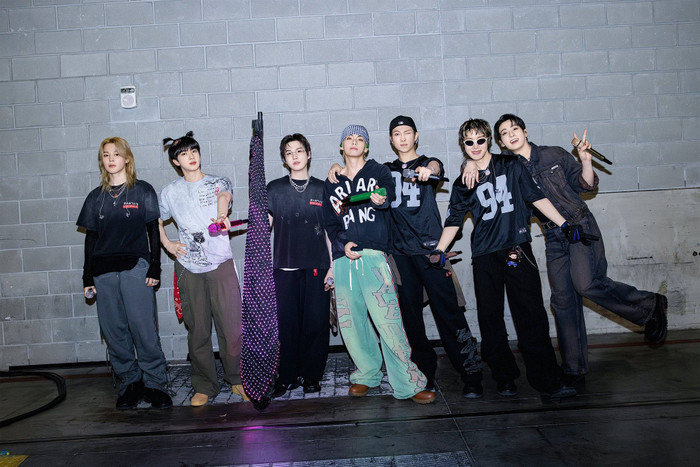
To address the shortage of available accommodations, authorities planned to secure an additional 1,300 beds by repurposing university dormitories, youth centers, religious facilities, and public training centers. The city of Busan also encouraged local residents to offer homestay options, providing a community-based solution to help meet the overwhelming demand from fans.
The massive draw of BTS concerts presents additional challenges in terms of security and crowd management. In March, the free performance “BTS Comeback Live: Arirang” at Gwanghwamun Square in central Seoul drew approximately 50,000 attendees, far exceeding initial estimates of 260,000 in the surrounding area. In response, the government raised the terror alert to a cautionary level and increased patrols to ensure public safety.
Despite these logistical and safety challenges, large-scale music events like BTS concerts offer significant opportunities for national promotion. The Ministry of Culture, Sports, and Tourism, in collaboration with the Korea Tourism Organization, established interactive exhibition booths in the Gwanghwamun area to engage international visitors and showcase Korean culture. The events demonstrate that BTS are not only exceptional performers but also influential ambassadors contributing positively to the country’s tourism sector and economy.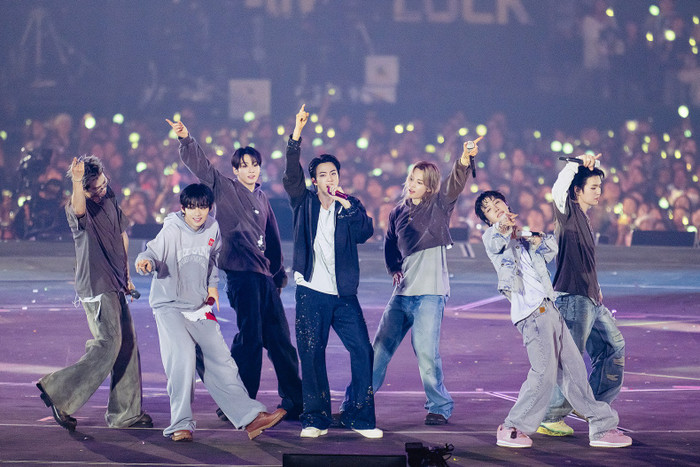
The government’s proactive measures reflect a recognition of BTS’s unparalleled impact on South Korea’s cultural and economic landscape. By regulating accommodation prices, enhancing safety measures, and expanding temporary lodging options, authorities aim to balance the excitement surrounding the concerts with the need for consumer protection and public order. The initiative underscores the importance of strategic planning for mega-events, where fan enthusiasm must be managed alongside commercial and logistical realities.
Ultimately, the BTS concerts in Busan illustrate the dual-edged nature of global pop culture influence. While fans experience once-in-a-lifetime events, local businesses and authorities face unprecedented pressure to maintain fairness, safety, and infrastructure readiness. With carefully coordinated government intervention, these challenges can be transformed into opportunities that highlight South Korea’s organizational capabilities, hospitality, and cultural appeal on the international stage.
The group’s ability to mobilize vast audiences not only cements their status as leading figures in global music but also reinforces the tangible economic and cultural benefits they bring to South Korea. By navigating these complexities, the country demonstrates how strategic governance, community involvement, and the power of entertainment can converge to manage large-scale events while maximizing positive outcomes for citizens, fans, and the broader tourism industry alike.