Danielle, a rising star of the K-pop sensation NewJeans, has taken a bold stand against entertainment giant HYBE and its subsidiary ADOR, igniting a legal battle that has captured the attention of fans and industry watchers alike. The move comes as tensions between the idol group and their management company have escalated, placing Danielle at the heart of a high-stakes dispute over contracts, fairness, and artistic freedom. Her legal team has formally filed a complaint with the Korea Fair Trade Commission (KFTC), alleging coercion, discrimination, and punitive measures designed to jeopardize her career. The complaint claims that the company imposed an outrageous penalty, reportedly amounting to hundreds of billions of won, in an effort to effectively shut her down. Despite the immense pressure, Danielle’s sole aim is clear: she wants to return to the stage with her NewJeans bandmates and continue her career in the spotlight.

On August 6, Danielle’s legal representative, attorney Jung Jong Chae, confirmed that his office had submitted the complaint to the KFTC on her behalf. According to Jung, the commission has already initiated an investigation into HYBE and ADOR, focusing on allegations that the companies abused their dominant position in the market and engaged in unfair trade practices. The complaint underscores that Danielle was treated differently from other members of NewJeans, despite all of them being involved in the same contractual disputes. While her fellow members were allowed to continue their activities, Danielle alone faced contract termination and massive financial penalties.
The complaint paints a picture of what her lawyer describes as a coercive tactic, designed not merely to recover financial losses but to serve as a warning to other artists. By demanding staggering compensation, HYBE and ADOR may have been attempting to make it nearly impossible for Danielle to remain in the K-pop industry. The strategy sends a chilling signal to performers who might consider challenging the authority of major management firms, raising questions about the balance of power between artists and their companies.
But this case is about more than just one idol’s fight. The complaint also raises broader concerns about HYBE’s influence over the K-pop industry at large. Attorney Jung argues that HYBE holds a significant market dominance, meaning its business decisions and enforcement of contractual clauses have far-reaching implications for competition within the sector. Excessive penalties on individual artists not only discourage them from switching management or seeking growth opportunities elsewhere but also put smaller entertainment companies at a disadvantage when attempting to recruit new talent. In effect, the practices highlighted in Danielle’s complaint could stifle innovation and limit competition across the industry.

One particularly controversial aspect of the complaint revolves around standard contract terms commonly used within South Korea’s entertainment sector. Jung points out that penalty clauses often calculate damages based on gross revenue rather than actual profits, potentially resulting in compensation demands that far exceed the company’s real losses. This, he argues, is inherently unfair and can place young performers in untenable positions, forcing them to choose between career survival and standing up for their rights. By challenging these terms, Danielle’s case could set a precedent for how contracts are structured and enforced in the industry, impacting countless other artists in the years to come.
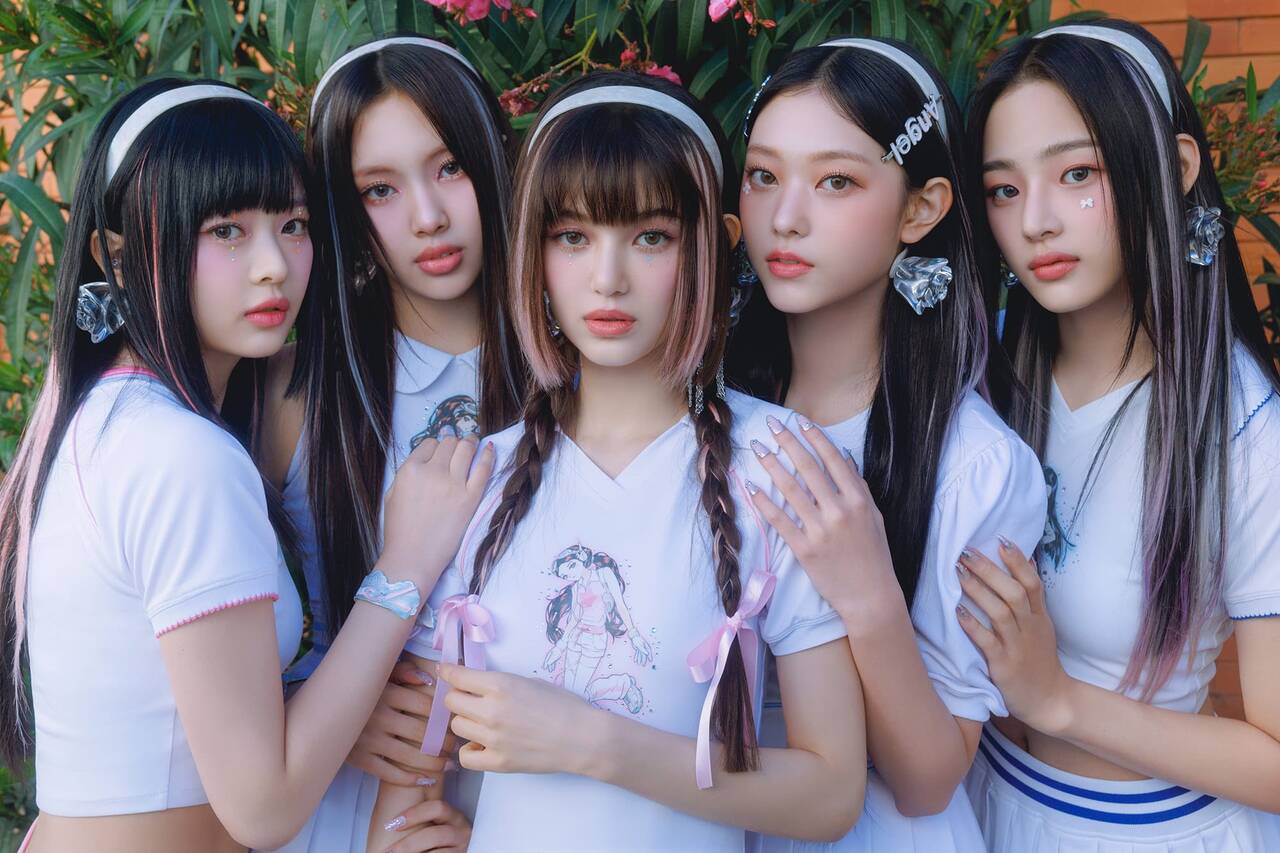
Despite the mounting legal pressure, Danielle’s motivation remains centered on her music and her connection with her fellow NewJeans members—Minji, Hanni, Haerin, and Hyein. Attorney Jung emphasizes that her goal is not to engage in a personal feud with her management but to secure the opportunity to perform alongside the group she helped launch. The case highlights the tension between corporate power and individual artistry, showcasing the challenges young idols face when their ambitions clash with the rules of an industry dominated by a few mega-companies.
The KFTC investigation is expected to draw significant public attention, as it could determine not only Danielle’s future with NewJeans but also the broader regulatory environment governing artist contracts in South Korea. Should the commission find that HYBE and ADOR engaged in unfair trade practices or abused their market dominance, it could force changes in how entertainment companies handle penalties, contract disputes, and artist rights. The case carries the potential to create lasting precedent, redefining the boundaries of fairness and corporate accountability in K-pop.
As fans and industry insiders watch the drama unfold, Danielle’s stance serves as a reminder of the growing awareness among young performers of their rights and the risks of unchecked corporate power. Her legal fight underscores a critical moment in K-pop history, where one artist’s determination to perform on her own terms could influence how idols negotiate contracts, manage careers, and challenge the authority of powerful entertainment conglomerates. Regardless of the outcome, Danielle’s courage in facing HYBE head-on has already made waves, sparking debate and inspiring many within the industry about the importance of fairness, transparency, and artistic freedom.
The investigation is ongoing, and all eyes remain on how the KFTC will navigate these complex issues. Danielle’s pursuit of justice is not only about her own future but also about protecting the rights of artists across South Korea, shining a light on the practices of some of the industry’s biggest players and holding them accountable for actions that could reshape the entire landscape of K-pop. Her battle reflects a growing movement among performers willing to challenge entrenched systems, asserting their right to work, create, and thrive without undue coercion or discrimination.
This is a pivotal moment for Danielle, NewJeans, and the wider entertainment world, with consequences that could resonate far beyond the borders of Korea, impacting how talent, contracts, and corporate responsibility are viewed across the global music industry.