Taylor Sheridan’s career-defining 2016 neo-Western action thriller, Hell or High Water, is set to find a new audience when it arrives on HBO Max on June 1, joining a lineup of notable titles including Midsommar, A History of Violence, and Contagion. While Sheridan has enjoyed immense success with television projects such as Yellowstone and its spin-offs, this gritty crime drama remains the pinnacle of his exploration of contemporary Western storytelling.

The film follows the story of brothers Tanner and Toby Howard, played by Ben Foster and Chris Pine, as they traverse the rugged landscapes of Texas, embarking on a string of bank robberies. Initially motivated by the need to save their family ranch, their mission soon spirals into chaos, fueled by clashing personalities and the pressures of law enforcement closing in. The narrative’s tension lies not in elaborate heists, but in the moral ambiguity and raw realism Sheridan injects into every scene. Their actions force audiences to question where the line between hero and villain truly lies, a hallmark of Sheridan’s storytelling style.
Jeff Bridges, who portrays the weary Texas Ranger pursuing the brothers, delivers one of his most lauded performances, earning an Academy Award nomination. Foster and Pine complement him perfectly, bringing layers of complexity to characters who are both sympathetic and morally compromised. Despite not being a blockbuster hit at the box office, Hell or High Water has become a critical touchstone for the modern Western genre, balancing tension, action, and deeply human character arcs in a way few films achieve.
This film forms the first piece of what has become known as Sheridan’s American Frontier Trilogy, alongside Sicario and Wind River. Across these three projects, Sheridan examines the American West as a territory of moral and social desolation, a place where violence is endemic and justice is rarely straightforward. In Hell or High Water, this thematic exploration is distilled into a story about family, desperation, and survival, anchored by an unflinching portrayal of the Texas landscape and its social realities.
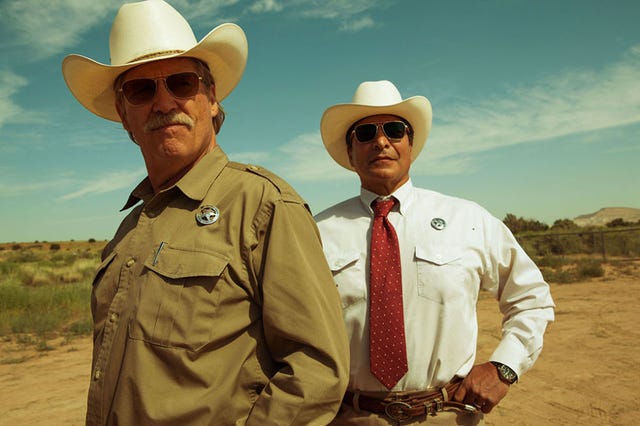
Sheridan’s collaboration with director David Mackenzie, known for the underappreciated Perfect Sense, brings a meticulous, ultra-realistic visual and narrative style to the film. Every frame conveys tension, from the dusty, empty highways to the intimate moments of familial connection and conflict. The film thrives on understated storytelling, allowing audiences to absorb the weight of decisions made by characters navigating impossible circumstances.
Critically, Hell or High Water stands as Sheridan’s most celebrated work. On Rotten Tomatoes, it boasts a 97% approval rating from critics and an 88% audience score, a distinction that surpasses even some seasons of his widely praised television series such as Yellowstone, Tulsa King, and 1923. The acclaim underscores Sheridan’s unique ability to marry genre conventions with social commentary, crafting characters and narratives that resonate long after the credits roll.
The neo-Western’s strength lies in its unflinching depiction of moral gray zones. The Howards’ crimes are framed within a context of economic hardship and family loyalty, complicating viewers’ responses and creating a tension between empathy and judgment. Meanwhile, Bridges’ lawman is not an archetypal hero but a man bound by duty, weary from years of confronting a world where right and wrong are rarely distinct. This nuanced portrayal of both criminals and law enforcers elevates the film above a conventional action thriller into a meditation on survival, justice, and the American socio-economic landscape.
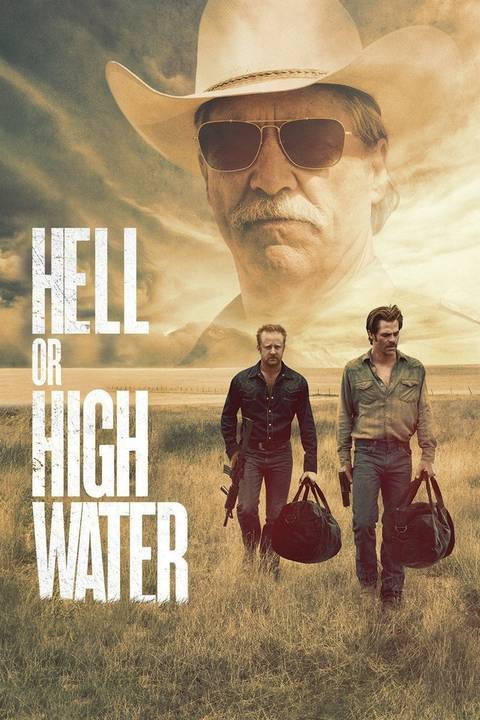
Sheridan’s influence extends beyond cinema into television, where he has created a sprawling empire of interconnected Western narratives. Yet in terms of cinematic achievement, Hell or High Water remains the clearest representation of his artistic vision, a film in which action, character, and landscape converge seamlessly. It is both a high-octane crime story and a contemplative study of desperation, morality, and the unforgiving realities of modern life in the American West.
For fans of Sheridan’s work, the film offers a masterclass in genre filmmaking, blending suspense, drama, and social critique. Its arrival on HBO Max allows both long-time admirers and new viewers to experience a defining moment in contemporary Western cinema, highlighting why Taylor Sheridan continues to shape the narrative of the American frontier, both on screen and in the collective imagination of audiences worldwide.
With Hell or High Water streaming soon, audiences have the chance to witness a film that not only entertains but also challenges the conventions of heroism, morality, and justice in the modern age—a testament to Sheridan’s enduring impact on the Western genre.