Gone are the days of the impossibly flawless and overly romanticized version of pioneer life. Netflix’s new adaptation of Little House on the Prairie attempts to bring a modern perspective to the beloved story, reshaping the Ingalls family into a more emotionally complex and realistic group of people. The reboot keeps the heart of the original series while introducing a family that struggles, argues, questions their choices, and faces hardships in a way that feels more human. Yet, by the time viewers reach the fourth episode, the reason behind the tears is something far more unexpected than anyone could have predicted.
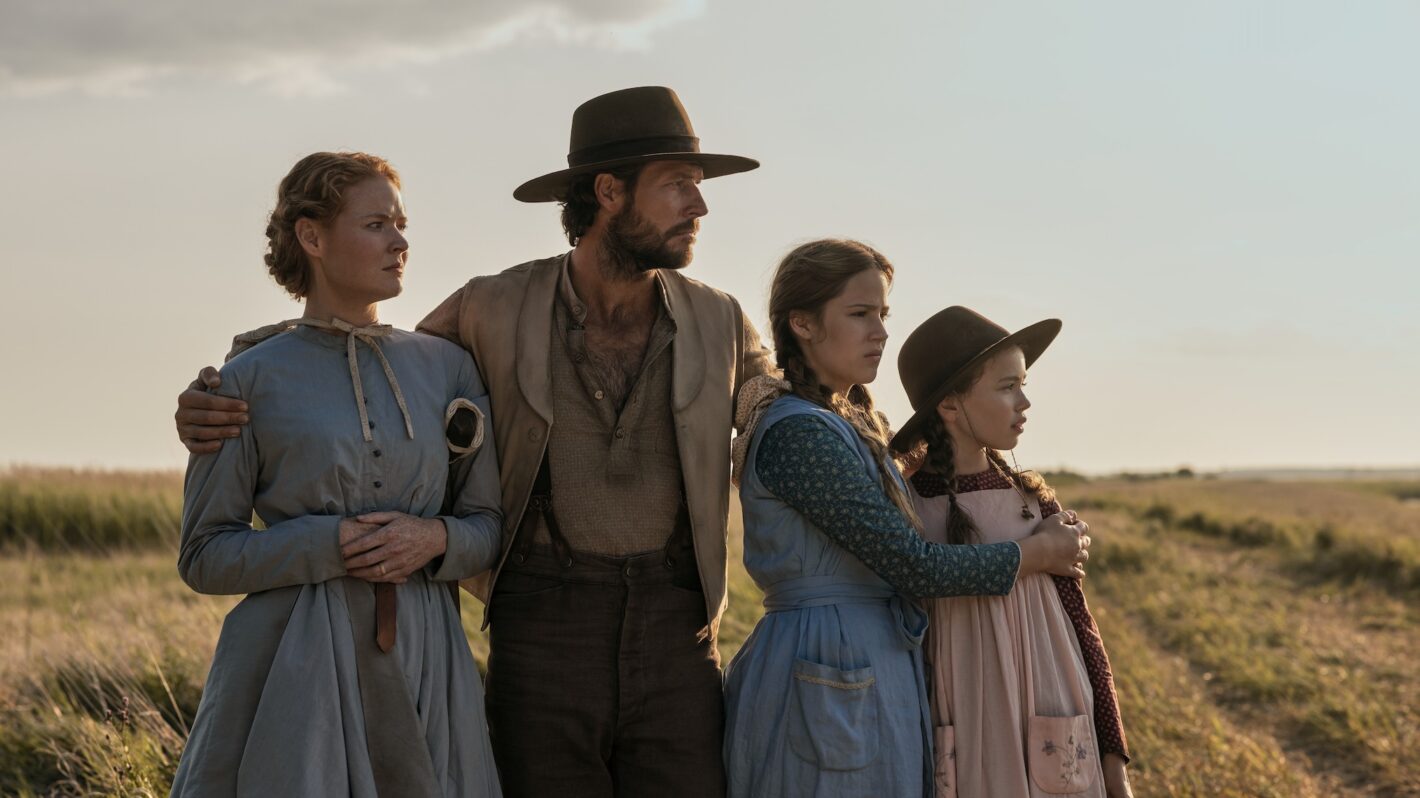
The original Little House on the Prairie was a cultural phenomenon for generations of viewers, even among those who never actually sat down to watch the show. First brought to television by Michael Landon, the series became one of the defining portrayals of American frontier life, remembered for its wholesome atmosphere, strong family values, and emotional storytelling. Based on the books written by Laura Ingalls Wilder, the story followed the real-life experiences of the Ingalls family as they moved across the American West during the 1870s and 1880s, searching for stability while building a new life on unfamiliar land.
The original television version became closely associated with a nostalgic vision of pioneer America — a world of bright skies, simple living, family unity, and moral lessons. However, that version often presented a polished image of the past, leaving little room for uncomfortable realities such as the struggles of women, the complexities of settlement, and the experiences of Native communities affected by westward expansion.
Netflix’s reboot takes the familiar foundation and rebuilds it for a modern audience. While the title and central premise remain the same, nearly everything else has been adjusted to reflect a different era of storytelling. The new series does not simply present the Ingalls family as a perfect symbol of perseverance. Instead, it shows them as flawed individuals trying to survive, make difficult decisions, and understand one another.
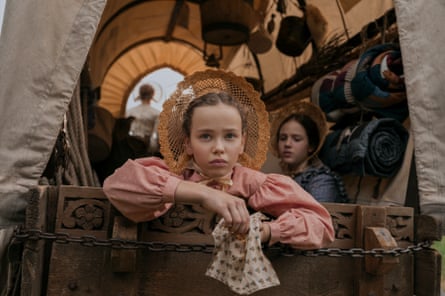
Laura Ingalls, played by Alice Halsey, is no longer portrayed as only the cheerful and innocent child audiences remember. This version of Laura is curious, stubborn, thoughtful, frightened, adventurous, and occasionally reckless. She feels like a real child rather than a carefully written symbol of childhood innocence. Her relationship with her older sister Mary, played by Skywalker Hughes, is also explored with more depth. Their disagreements are not just typical sibling arguments but the result of two very different personalities learning how to coexist.
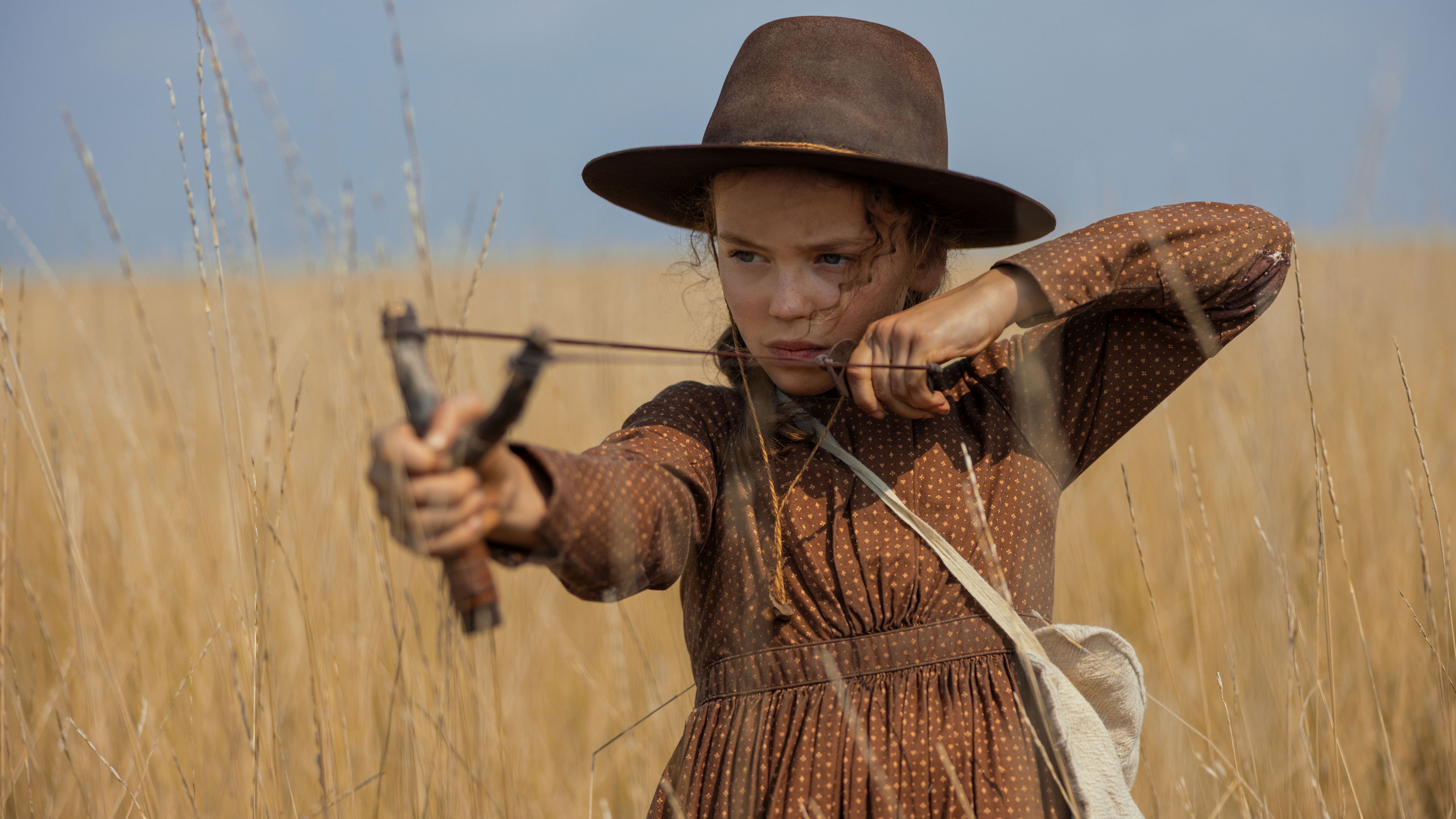
The new Laura also reflects a more contemporary idea of what a young girl can be. She is not limited to traditional expectations of femininity. She wears her cousin’s old cowboy hat, enjoys outdoor adventures, and proves herself capable with a slingshot. The series presents her as a child with imagination and independence rather than someone simply waiting to follow the path laid out for her.
The biggest transformation may come through Caroline “Ma” Ingalls, played by Crosby Fitzgerald. Unlike the traditional image of the endlessly patient pioneer mother, this version of Ma has her own dreams, frustrations, and personal history. She is not just the supportive wife standing behind her husband. She once worked as a schoolteacher, misses aspects of her former life, and sometimes questions whether leaving everything behind was truly the right decision.
Ma is also given a stronger voice within the family. She helps construct their new home, challenges her husband when necessary, and refuses to remain silent when faced with unfair treatment or prejudice in the growing community around them. Her character highlights the reality that pioneer women were not simply caregivers — they were survivors who carried enormous responsibilities and often made sacrifices that went unrecognized.
Pa Ingalls, portrayed by Luke Bracey, is also reimagined. Rather than being driven only by adventure or ambition, this version of Charles Ingalls is shaped by personal loss. The family’s move west is connected to the grief he carries after the death of his brother George, whose suicide leaves Pa blaming himself. Throughout the series, Pa is shown making mistakes because of inexperience or confidence, but he is also willing to admit when he is wrong and apologize. His strength comes not from being perfect, but from his ability to learn and change.
Another emotional storyline comes through John Edwards, played by Warren Christie, a neighboring homesteader who has experienced unimaginable loss after losing his wife and daughters to cholera. His slow connection with the Ingalls family becomes one of the most heartbreaking parts of the series. By the fourth episode, his journey of grief, healing, and finding a new sense of belonging creates the kind of emotional impact that leaves viewers reaching for tissues.
The reboot also expands the stories of Black, mixed-race, and Native American characters, giving them more meaningful roles within the world of the show. Characters such as William Mitchell, Good Eagle, and White Sun provide different perspectives on the settlement era and allow the series to acknowledge parts of history that earlier adaptations largely ignored. While still maintaining its family-friendly tone, the show attempts to present a broader picture of the American frontier.
Ultimately, Netflix’s Little House on the Prairie is exactly the kind of revival audiences might expect from a beloved classic reimagined in 2026. It combines nostalgia with modern storytelling, keeping the warmth and optimism of the original while introducing more emotional complexity. The problems faced by the characters are still often resolved within a few episodes, and the series continues to embrace themes of faith, family, hope, and perseverance.
There are still familiar elements that longtime fans will recognize — cozy cabins, handmade quilts, community gatherings, songs around the campfire, and the comforting atmosphere of a simpler world. But beneath that familiar surface is a story that understands people are not perfect, families are complicated, and even the most cherished memories can be viewed through a different lens.
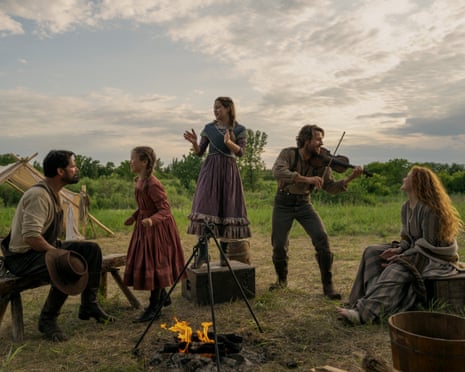
And that may be the biggest surprise of all. The tears viewers shed by episode four do not come from simply revisiting an old favorite. They come from seeing these characters transformed into something more vulnerable, more complicated, and ultimately more human than anyone expected.