Amidst the bustling atmosphere of the 79th Cannes Film Festival, one moment stood out for its sheer emotional gravity. As the ending credits of the film Dora rolled across the screen, a heartfelt tribute to the late actress Kim Sae Ron appeared, leaving the audience in stunned silence. The scene was simple yet profound, a quiet acknowledgment that carried immense weight, especially for those who knew her work intimately. Behind this tribute was director July Jung, who had collaborated with Kim Sae Ron during what many regard as the golden era of her career in A Girl at My Door. Jung, visibly moved, spoke openly about the profound sense of loss that the actress’s passing represented, both personally and for the broader Korean film industry.

July Jung, attending the festival with Dora, which had been invited to the Directors’ Fortnight section, shared her reflections during an interview at the Korean Film Council booth in the Palais des Festivals. She explained that the tribute was not a mere formality but a deeply personal gesture. Kim Sae Ron had played a pivotal role in Jung’s earlier work, and her untimely death was a wound that Jung felt profoundly, both as a filmmaker and as someone who had witnessed the young actress’s immense talent firsthand. The tribute, which appeared during the closing credits, was intended to honor that legacy and to subtly remind viewers of the fragility and fleeting nature of life, particularly for young talents navigating the pressures of the entertainment world.
Dora, which premiered to a standing ovation on May 17, 2026, explores a delicate coming-of-age story set against the backdrop of a seaside villa. The narrative follows the character Dora, portrayed by Kim Do Yeon, as she navigates her first experiences of love while contending with an undefined illness that gradually disrupts her world. The film’s story, while intimate in scope, touches upon universal themes of growth, vulnerability, and the intricate dynamics of generational relationships. It reflects Jung’s continued interest in portraying female-centered narratives, though she emphasized that Dora was intended to explore generational struggles rather than gender-specific issues.
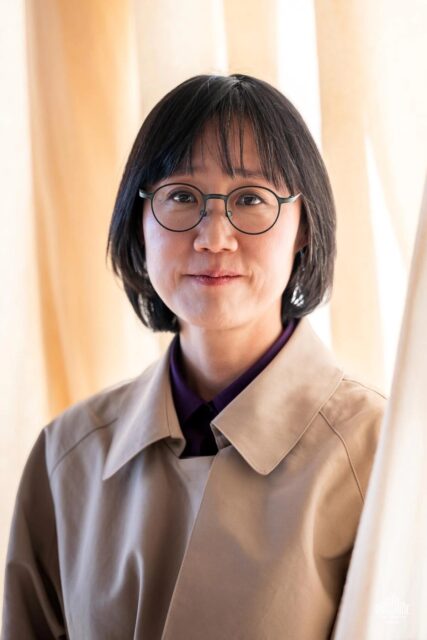
Because I am a woman and a female director, the characters and protagonists naturally tend to be women. It’s not that I specifically think about solidarity or anything like that. One thing I really wanted to do with this film was tell a story about generations, rather than about women or men. My feeling was that I hope younger generations somehow survive and ultimately recover. I believe hope still lies with the younger generation, Jung explained. Her words resonate deeply when considered alongside the tribute to Kim Sae Ron, illustrating how the film intertwines personal loss with broader societal reflections on youth, resilience, and hope.
The inclusion of Kim Sae Ron’s name in the credits under a special thanks section was understated but potent. For Jung, this was not only a professional acknowledgment but a personal farewell. Speaking candidly about the late actress, Jung’s voice trembled as she shared the emotional impact of her absence. “In that sense, actress Kim Sae Ron is an incredibly big and important actress to me and to our production company. The fact that we lost that actress is so difficult. It hurts so much that we, our film industry, and our society ultimately lost her,” she admitted, her words carrying the weight of genuine grief and admiration. The tribute served as a silent yet powerful testament to Kim Sae Ron’s enduring influence and the void left in her wake.
The emotional resonance of the tribute went beyond industry circles. It reflected a broader acknowledgment of the challenges faced by younger generations, particularly those navigating the public eye and societal expectations. By linking her personal mourning to a narrative about youth and endurance, Jung offered audiences a layered experience, one that encouraged reflection on the complexities of growth, loss, and collective responsibility. The tribute to Kim Sae Ron became a focal point for understanding the film’s underlying messages, reminding viewers that stories on screen often mirror deeply personal and societal truths.
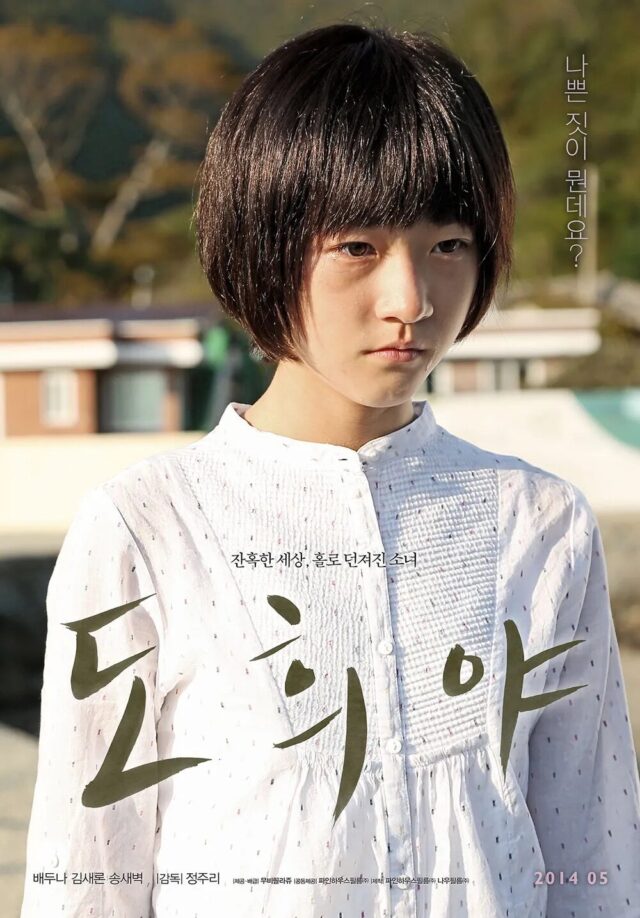
As Dora prepares for its release in Korea in the latter half of 2026, the tribute remains a poignant highlight, encapsulating both the personal sorrow of a director and the larger cultural reverence for a lost talent. Through this subtle yet heartfelt acknowledgment, July Jung and her production team ensured that Kim Sae Ron’s legacy would continue to resonate with audiences, immortalized not just in memory but within the cinematic journey of Dora. The moment at Cannes will be remembered as a powerful intersection of art, grief, and enduring respect, leaving a lasting impression on all who witnessed it.
The film and its tribute ultimately underscore the fragility of life and the impact of artists on both their peers and society. They reveal how cinema can serve as a vessel for mourning, remembrance, and hope, turning private grief into a shared experience that transcends borders and generations. Kim Sae Ron’s presence, felt even in absence, continues to inspire reflection, making the tribute an unforgettable part of Dora’s story and the 79th Cannes Film Festival.