Peter Cullen, the legendary Canadian voice actor whose unmistakable performances gave life to Optimus Prime, Eeyore and many other beloved characters, has died at the age of 85. His agent, Kevin Motley, confirmed that Cullen died Wednesday at his home in Los Angeles. In a statement, his family said he “passed away peacefully, surrounded by his loving family — and held in the hearts of his many friends and countless fans worldwide.” They encouraged those mourning him to honor his extraordinary legacy through compassion, integrity, loyalty and service to others, while remembering the principle Cullen had come to embody throughout his life and career: “be strong enough to be gentle.” It was an especially fitting farewell for the man whose commanding yet compassionate voice made Optimus Prime a symbol of courage for generations.
Born Peter Claver Cullen in Montreal on July 28, 1941, Cullen discovered the possibilities of his voice long before Hollywood knew his name. As a child spending time on a relative’s farm, he learned to imitate cows, calves, chickens and dogs, an early sign of the vocal versatility that would eventually define his career. He graduated with the first class of the National Theatre School of Canada in 1963, studied acting under operatic coach Bernard Diamant and performed Shakespeare in Stratford, Ontario. Cullen also worked in repertory theater and radio before moving into television. His early career included announcing work for Montreal station CKGM, children’s television and comedy programs, followed by appearances and announcing duties on American shows including The Smothers Brothers Comedy Hour, The Sonny & Cher Comedy Hour and The Hudson Brothers Razzle Dazzle Comedy Show.
Cullen’s career would ultimately extend far beyond traditional acting. His voice could communicate heroism, sadness, humor or menace, allowing him to move effortlessly between dramatically different characters. He voiced the sinister supercar K.A.R.R., short for Knight Automated Roving Robot, on Knight Rider, and he supplied the voice of King Kong for the 1976 remake. He also created the disturbing clicking and crackling sounds associated with the Predator creature in the 1987 Arnold Schwarzenegger film. Cullen later recalled that he needed to see the monster before deciding what sounds it should make. The creature’s unusual appearance reminded him of a dying horseshoe crab he had encountered as a child, inspiring the unsettling vocal effects that became one of the Predator’s most recognizable characteristics. His animation work was equally extensive, including Monterey Jack in Chip ‘n Dale Rescue Rangers, characters in Voltron, Ramrod in Saber Rider and the Star Sheriffs, Mario in Saturday Supercade and numerous other roles.
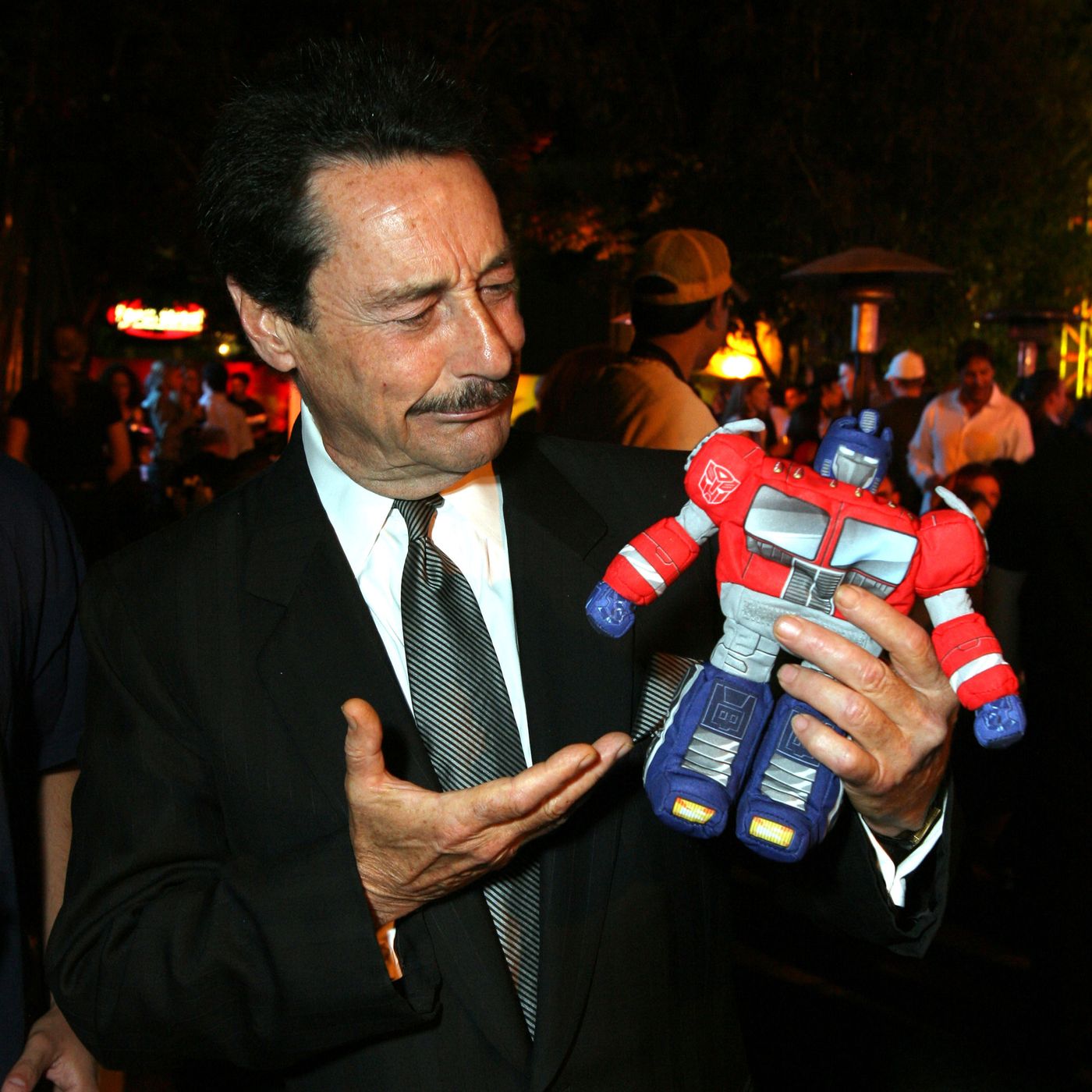
Yet no character became more closely connected with Cullen than Optimus Prime. He first auditioned for the heroic leader of the Autobots for the syndicated animated series The Transformers, which debuted in 1984. Cullen later joked that the description he received was remarkably simple: he was told the character was a hero and that he was a truck. But behind the voice he ultimately created was something deeply personal. Cullen modeled Optimus Prime’s calm authority and strength on his older brother Larry, a decorated U.S. Marine who served in Vietnam from 1965 to 1968. When Larry returned home, Cullen noticed that his brother had become quieter, more mature and deeply composed. To Cullen, Larry represented genuine heroism. When the opportunity came to portray a superhero, Cullen drew upon his brother’s character, and the voice of Optimus seemed to emerge naturally. That private connection became the emotional foundation of one of animation’s most enduring performances.
The role quickly became a cultural phenomenon, although its journey included unexpected highs and lows. Optimus Prime was killed after battling Megatron in The Transformers: The Movie in 1986, and the decision produced an enormous emotional reaction among young fans. The response was so powerful that the character was eventually brought back, with Cullen once again providing his voice. Decades later, when director Michael Bay revived Transformers as a major live-action film franchise, Cullen returned as Optimus Prime in the 2007 blockbuster after roughly two decades away from the cinematic spotlight of the character. Cullen compared returning to the role to putting on an old pair of comfortable shoes. The reunion proved enormously successful: Transformers grossed more than $700 million worldwide, while Revenge of the Fallen earned more than $800 million and later installments Dark of the Moon and Age of Extinction each surpassed $1 billion globally.
Cullen continued voicing Optimus Prime across movies, television programs and video games, including Transformers: The Last Knight, Bumblebee and Transformers: Rise of the Beasts. His work on the animated series Transformers: Prime also earned him a Daytime Emmy nomination. For millions of viewers, however, Cullen’s importance could never be measured simply through box-office totals or awards. His performance transformed Optimus from a toy-based animated character into a figure associated with leadership, loyalty, sacrifice and moral courage. The qualities Cullen borrowed from his brother Larry became inseparable from the Autobot leader. That connection also explains why the phrase “be strong enough to be gentle” carried such significance in Cullen’s life. Strength, in his interpretation, was never merely about power. It was about knowing when to protect, when to show restraint and how to lead others with dignity.
There was also a much softer side to Cullen’s remarkable career. Beginning with The New Adventures of Winnie the Pooh in 1988, he became the voice of Eeyore, the lovable and perpetually gloomy donkey, and continued portraying the character in numerous television programs, films and videos. Cullen enjoyed the reactions he received when speaking to children in Eeyore’s familiar voice, especially when delivering the character’s famous greeting, “Thanks for noticing me.” His ability to move from the towering authority of Optimus Prime to Eeyore’s gentle melancholy demonstrated an extraordinary range. Beyond entertainment, Cullen also supported educational and community-minded initiatives. He became involved with NASA and the Optimus Prime Spinoff Award, an initiative recognizing young people studying subjects connected to space, science, technology and mathematics. In that sense, the heroic values associated with his most famous character extended beyond the recording booth and into his public life.
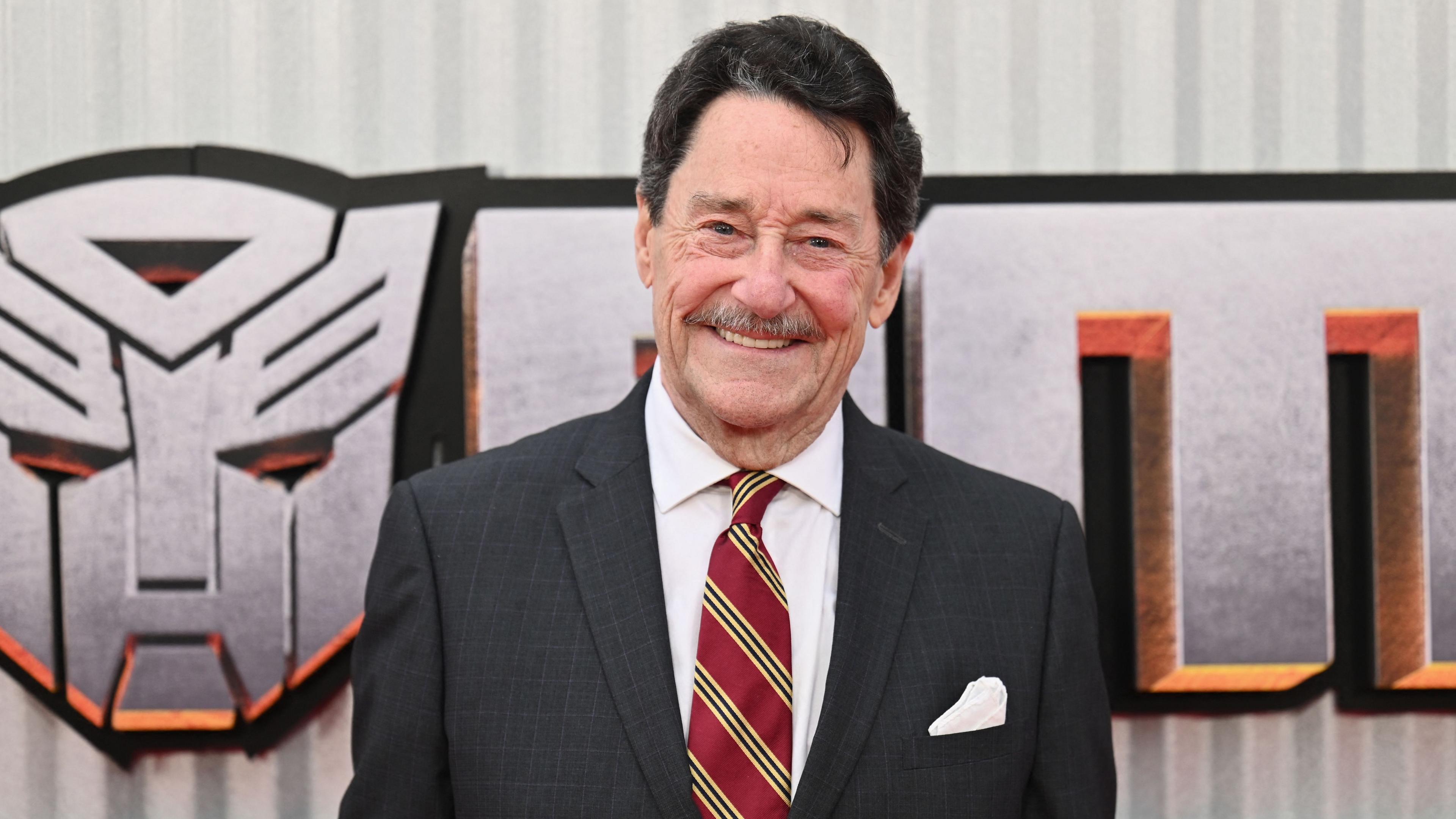
Cullen is survived by his children Angus, Claire, Pilar and Clay, as well as a vast community of colleagues, friends and fans who grew up hearing his voice. Looking back on Transformers, Cullen once described the scale of the phenomenon as almost impossible to comprehend and expressed gratitude that something he had done became such an enduring part of people’s lives. That gratitude now forms part of the legacy he leaves behind. From K.A.R.R.’s mechanical menace and Monterey Jack’s animated adventures to Eeyore’s melancholy warmth and the Predator’s terrifying sounds, Cullen demonstrated a rare ability to make characters memorable through voice alone. But Optimus Prime became something more: a role shaped by Cullen’s admiration for his brother and by a deeply held belief about what true strength should look like. After decades of unforgettable performances, Peter Cullen leaves behind not simply a collection of famous voices, but a promise carried through generations — that the strongest leaders can also be the gentlest.