BTS’s recent Busan concert has come under fire from furious fans, with a wave of complaints spreading online describing what many are calling a chaotic and poorly managed event, marked by delays, confusion, and serious crowd control concerns.
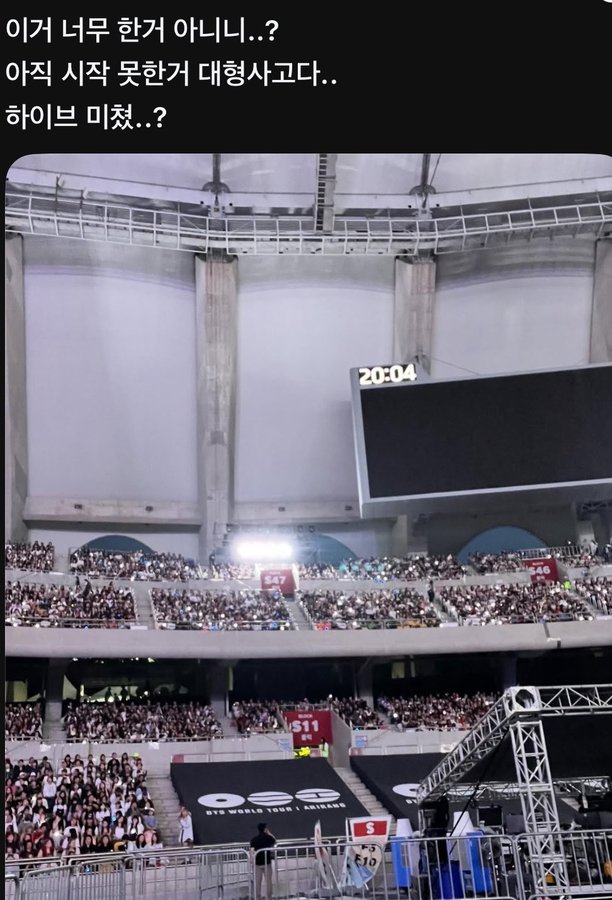
According to numerous attendee accounts circulating on social media after the show, the day was plagued by a series of organisational issues that began long before the group even stepped on stage. One of the most widely discussed problems was the delayed start time. The concert had reportedly been scheduled to begin at 7pm, but attendees claim the performance did not get underway until well after 8pm, leaving thousands of fans standing around for over an hour longer than expected.
For many concertgoers, the delay was not just an inconvenience but a major disruption to their travel plans. A significant number of attendees reportedly rely on public transport, including last trains departing the area shortly after the scheduled finish time. Fans expressed frustration online, questioning what those needing to catch the final train home were supposed to do when the show itself started so late. Some said the delay effectively trapped them between either leaving early and missing the performance or staying and risking being stranded.
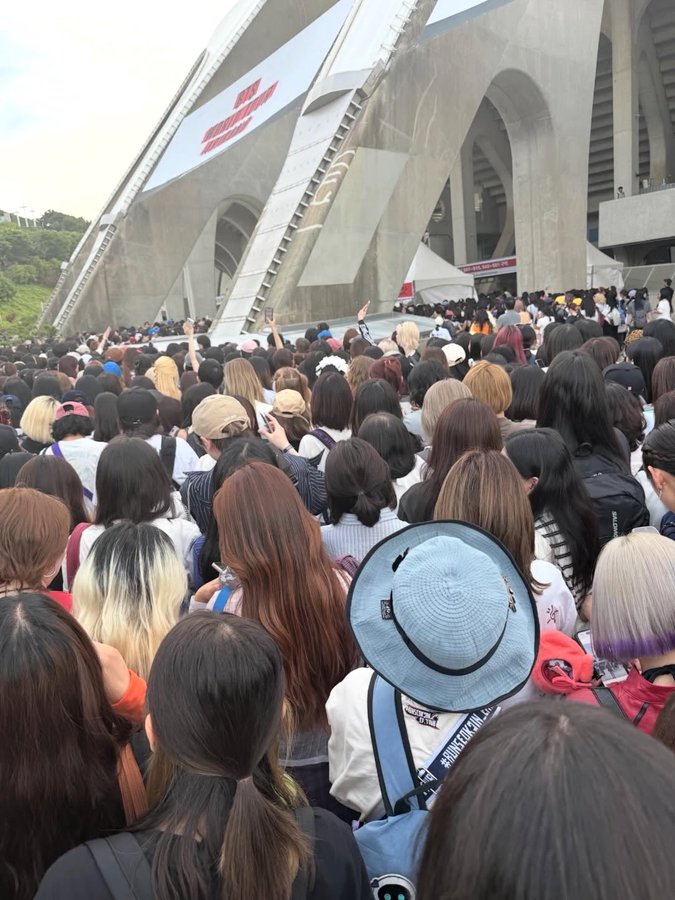
However, the complaints did not stop at timing issues. Crowd management has become one of the most heavily criticised aspects of the event, with attendees describing scenes of intense congestion around the venue. Multiple posts allege that the crowd became so densely packed in certain areas that pushing and shoving occurred as people tried to move through entrances, queues, and surrounding walkways.
Several fans claimed the situation felt unsafe at times, with some even suggesting it was fortunate that a serious crowd crush incident did not take place. These claims have fuelled wider concern online about whether adequate safety measures were in place to handle such a large-scale gathering, particularly given BTS’s global popularity and the enormous turnout the concert would naturally attract.
Adding to the frustration were reported issues involving entry procedures. A facial recognition system, referred to by fans as Face Pass, has been singled out repeatedly in complaints. Attendees described long bottlenecks and confusion during the admission process, with some saying the system slowed everything down rather than making entry smoother. According to fan accounts, there appeared to be insufficient staff guidance at key checkpoints, leading to uncertainty about where people were supposed to go or how the system was meant to function in real time.
One attendee described the process as “error-ridden,” claiming they struggled to enter the venue even after hours of waiting. They alleged that the lack of clear instructions and support from staff left many fans frustrated and confused, particularly those unfamiliar with the technology being used for entry.
Compounding the chaos were reports of shortages relating to event benefits and merchandise distribution. Several attendees claimed that entry wristbands and promotional giveaway items ran out before everyone in line was served. This reportedly led to disappointment among fans who had expected to receive these items as part of their concert experience.
On top of that, further confusion allegedly arose when queues for merchandise purchases became mixed with lines for pickup items. According to attendees, this merging of different queue systems created additional delays and disorder, with fans unsure of where they were supposed to stand or which line they were actually in. The result, many said, was a disorganised and stressful environment that took away from the excitement of the event.
Some concertgoers also pointed out that this was not the first time such concerns had been raised. Comparisons were made to a previous BTS Busan concert, which also faced criticism over overcrowding and logistical challenges. Fans questioning the situation asked why, despite earlier warnings and past experiences, improvements had not apparently been implemented to better manage such a large influx of attendees.
Online discussion continued to grow in the aftermath of the concert, with frustration particularly focused on whether organisers had properly prepared for the scale of the crowd. Many fans argued that when dealing with an act as globally popular as BTS, meticulous planning is essential to ensure both safety and a smooth experience for attendees.
![BTS to Mark Debut Anniversary at Home in Korea... Why Busan? [Breakthrough] - MK](https://wimg.mk.co.kr/news/cms/202605/13/news-p.v1.20260513.a8269a7343794f2da6456bebb4c6652a_P1.jpg)
Others highlighted the emotional toll of the experience, with some fans describing exhaustion from long waits, confusion at entry points, and the stress of navigating overcrowded areas. While no official reports of serious injuries have been confirmed in relation to the allegations circulating online, the concerns raised have sparked renewed debate about crowd safety standards at major entertainment events.
As criticism continues to spread, fans are calling on organisers and event management teams to review what went wrong and implement stronger systems for future concerts. Suggestions from attendees include clearer queue separation, improved staffing at entry points, better communication about delays, and more robust crowd control planning designed to prevent congestion before it escalates.
For now, the situation remains a hot topic among fans online, with many still sharing personal accounts of what they experienced on the day. While the concert itself was expected to be a major celebration, the aftermath has instead been dominated by questions over organisation, safety, and whether lessons will be learned for future large-scale events.