A resurfaced episode of the MBC criminal analysis program, Hidden Eye, has sparked widespread outrage online due to a controversial choice in visual content. The episode, which originally aired last December, included a photo of Stray Kids’ Hyunjin that was presented as the childhood image of a victim in one of the cases being discussed. This decision immediately drew strong reactions from fans and the broader public, many of whom found the use of an idol’s image in such a context deeply inappropriate and disrespectful.
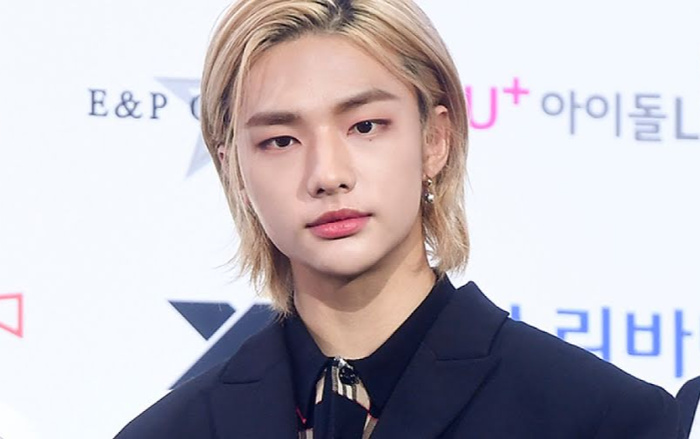
Fans of Stray Kids expressed their disappointment and anger across social media platforms, noting that it was particularly insensitive to use the photo of a living celebrity in a show that discusses serious and often tragic criminal cases. Comments ranged from disbelief at the editorial choice to sharp criticism of the show’s production ethics. One fan remarked, “Using any random photo on a criminal analysis show, of all shows? Is this right?” Others went further, questioning the judgment of the staff responsible for content review, emphasizing that given the sensitivity of such programming, mistakes of this nature should have been caught prior to broadcast.
The public’s reaction highlighted a broader concern about ethical standards in media production. Many netizens pointed out that with the widespread availability of stock photos and AI-generated images, there was no reason to use a real person’s photograph, especially in such a sensitive context. Critics emphasized that modern production practices increasingly rely on digitally created content to avoid precisely these kinds of issues, raising questions about why the show’s team did not follow this widely accepted approach. Comments like, “Everyone knows they are the most sensitive about stock photos more than anyone else…they probably had tons of people review it before airing it, why are they doing this?” underscored the sense of confusion and frustration among viewers.

The controversy also brings attention to the responsibilities of broadcasters when handling content related to criminal cases. Shows that analyze real-life incidents, especially those involving death or violence, carry a duty to approach their material with sensitivity. Using a real person’s likeness in a context implying victimhood, even inadvertently, can have legal and ethical ramifications. It can also cause emotional distress to fans of the celebrity and to the public, who may perceive such use as trivializing or exploiting the subject matter.
This incident has led to calls for clearer guidelines and stricter oversight within broadcasting companies to prevent similar mistakes. Viewers suggested that media producers implement more rigorous verification procedures for imagery and content used in programming. Given the rapid dissemination of media online and the potential for widespread backlash, adherence to ethical production standards has become more critical than ever. The situation illustrates the delicate balance that must be maintained between creating compelling content and respecting the rights and reputations of individuals.

In addition to the ethical concerns, the episode has prompted discussions about the potential legal consequences of misusing someone’s image. While the show may not have intended harm, the use of Hyunjin’s photo without consent could raise issues of privacy infringement or defamation, depending on jurisdiction and specific circumstances. Legal experts and commentators have highlighted that public figures, while accustomed to media exposure, retain certain protections against unauthorized and potentially harmful use of their image, particularly in contexts that suggest involvement in criminal events.
The response from the broadcasting community has been mixed, with some defending the show as a production error and others acknowledging that the mistake reflects broader lapses in editorial judgment. Regardless of intent, the incident has sparked a renewed conversation about accountability in media and the importance of maintaining a high standard of ethical responsibility. Many viewers and fans have suggested that the network issue a formal apology and review its internal content review processes to restore public trust.

This controversy also underscores the power of fan communities in monitoring and influencing media conduct. With the growth of social media and online fan forums, audiences have a more immediate platform to express concern and demand accountability. The strong reaction to the use of Hyunjin’s image demonstrates how fan vigilance can bring significant attention to issues that might otherwise go unnoticed, potentially prompting media companies to reconsider their practices and policies.
Overall, the resurfacing of this Hidden Eye episode has drawn attention to the ongoing challenges of media ethics, the importance of sensitive content management, and the need for broadcasting companies to exercise greater care in their production decisions. As fans continue to voice their concerns and the public engages in broader discussion, the incident serves as a cautionary example of how quickly a seemingly small editorial choice can escalate into a major controversy, highlighting the responsibility of media producers to respect individuals and adhere to ethical standards in all aspects of content creation.