A BTS fansite operator recently shared a harrowing experience at the group’s ongoing Arirang world tour, detailing instances of assault, intimidation, and privacy violations at one of the concerts. The fansite, which boasts over 265,000 followers, publicly described the events following their encounter with the concert’s security team, which left the fan and the wider fandom shocked and outraged.
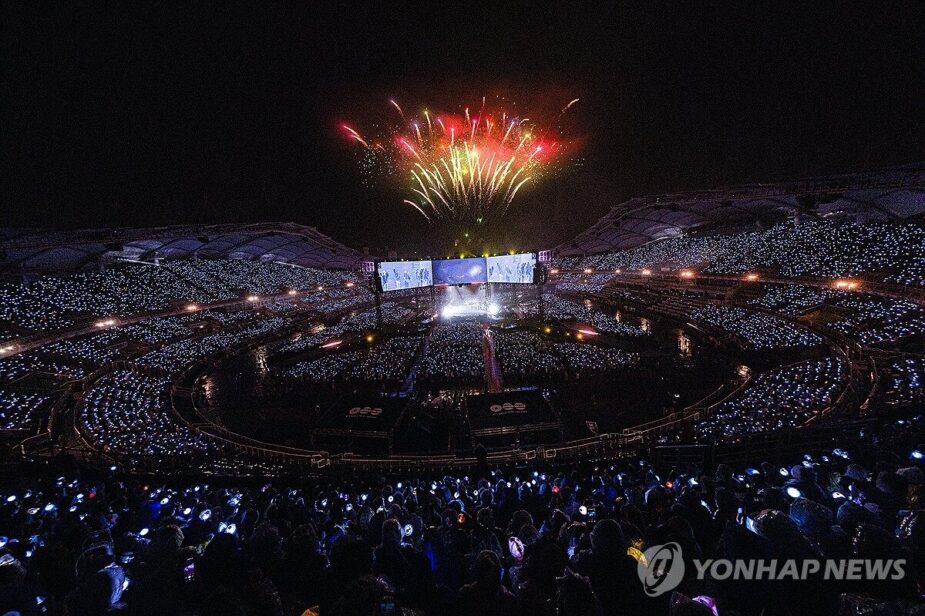
The incident took place at BTS’s “Arirang” concert held at Goyang Stadium, where the fan was reportedly found with a camera, a direct violation of the venue’s no-camera policy. According to the fansite’s statement, the individual fully cooperated with security personnel, deleting any photos taken and complying with their request to leave without resistance. Despite this compliance, the fan alleges that the treatment they received was far from standard protocol.
Rather than following a professional removal procedure, the fan claimed that the security team, described as U.S.-based personnel, engaged in what they referred to as “insane bullying and humiliation.” The account included physical assault, specifically being grabbed by the neck, which the fansite emphasized is considered a criminal act in any country. Such aggressive measures went well beyond enforcing the venue’s policies, raising serious concerns about the conduct of the security staff.
In addition to the physical attack, the fan described severe breaches of personal privacy. The security team allegedly confiscated the fan’s SD card without consent and took unauthorized photographs of the individual’s identification card. The fansite highlighted that this act treated private information as a trophy for the security personnel to boast about, further intensifying the feeling of intimidation and violation. The fan also noted the use of extreme verbal threats, aimed at forcing compliance with these actions, which contributed to an atmosphere of fear and humiliation.


This account rapidly spread across social media, attracting widespread attention from the K-pop community and prompting a heated discussion online. Fellow fans expressed disbelief and condemnation of the reported treatment. Many Korean netizens accused the entertainment company HYBE, BTS’s managing agency, of a repeated pattern of excessive and violent responses by their security teams. One comment criticized the company for continuing these practices despite prior complaints and media coverage, questioning how the agency could operate world tours without improving the professionalism of their security operations.
The online response emphasized that the behavior described was not merely a policy enforcement issue but an instance of outright violence. Several commentators expressed anger at the idea that fans could be subjected to such treatment for minor infractions, arguing that crossing the line in this manner goes beyond acceptable crowd management. Netizens highlighted the repeated complaints from various fandoms under HYBE’s management, framing this latest incident as part of a longstanding problem.
The fansite’s post underlined the personal impact of the experience, using terms like “inhumane” and “horrifying” to describe the emotional and psychological toll of the encounter. The individual expressed that, even though they had broken the camera policy, the extreme response they endured was disproportionate and damaging. The public acknowledgment of this treatment served as both a warning and a plea for accountability from the agency and concert organizers.
The situation has also sparked conversations regarding fan safety at large-scale K-pop events, particularly in relation to the role of security teams and the expectations of professional conduct. Many in the community have called for clearer regulations and oversight to prevent similar incidents in the future. This includes recommendations for training security personnel to handle policy violations without resorting to physical violence or intrusive measures.
Moreover, the incident has reignited broader debates about the treatment of fans in the K-pop industry. Fans play a crucial role in the success of artists, yet stories like these illustrate the potential risks they face when attending concerts. Advocates argue that the industry must balance enforcing venue rules with respecting the rights and dignity of attendees, ensuring that safety measures do not become a source of harm.
In conclusion, the fansite’s public statement highlights serious concerns regarding both the specific conduct of the security team at the Goyang Stadium concert and the larger pattern of aggressive behavior reported by fans under HYBE’s management. The viral nature of the story underscores the importance of addressing these issues transparently, reinforcing professional standards for security staff, and safeguarding the welfare of fans attending high-profile events. This episode serves as a reminder that fan experiences are an integral part of the live music environment and must be treated with care, respect, and accountability to prevent further incidents.