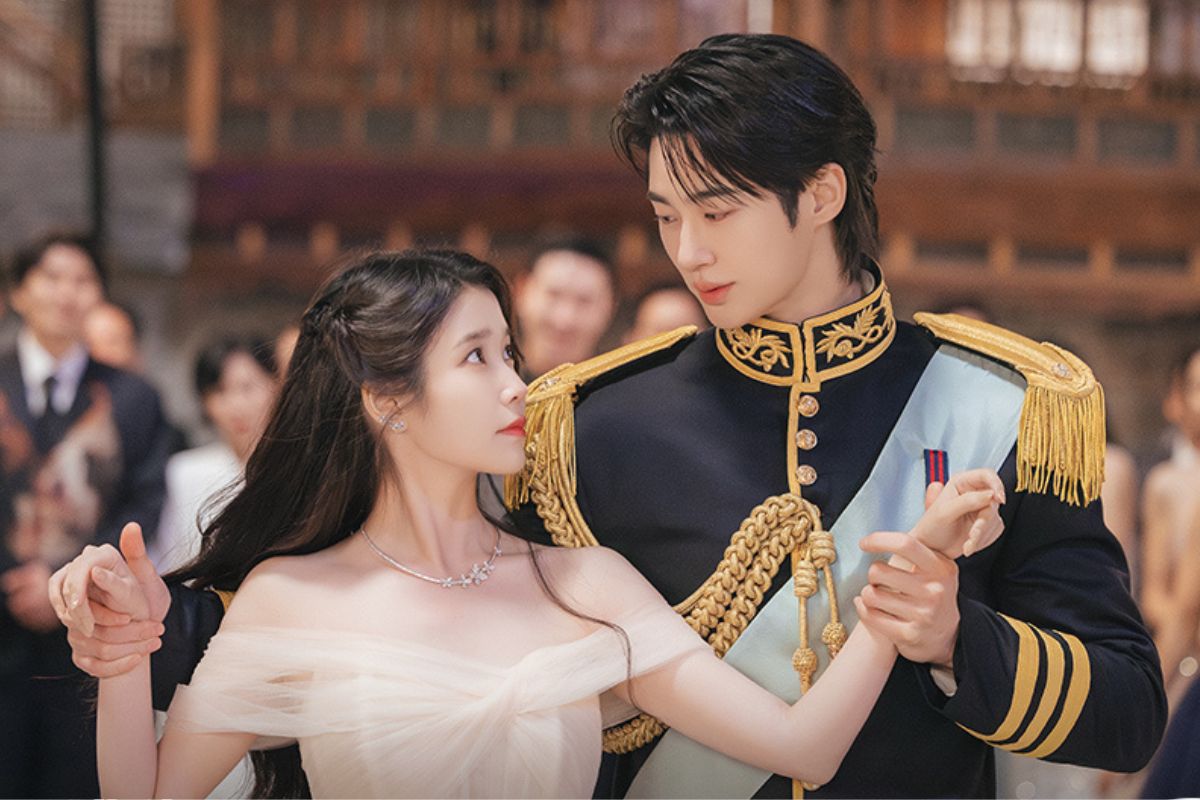
The fantasy drama Perfect Crown concluded with a record-breaking rating of 13.8%, marking a high point in viewership for the series. Yet, the celebratory atmosphere surrounding the production was overshadowed by intense public backlash just before the finale. The controversy centered on historical inaccuracies portrayed in the show, which prompted both lead actors, IU and Byeon Woo Seok, to issue public apologies, taking responsibility for the disputes their performances had generated.
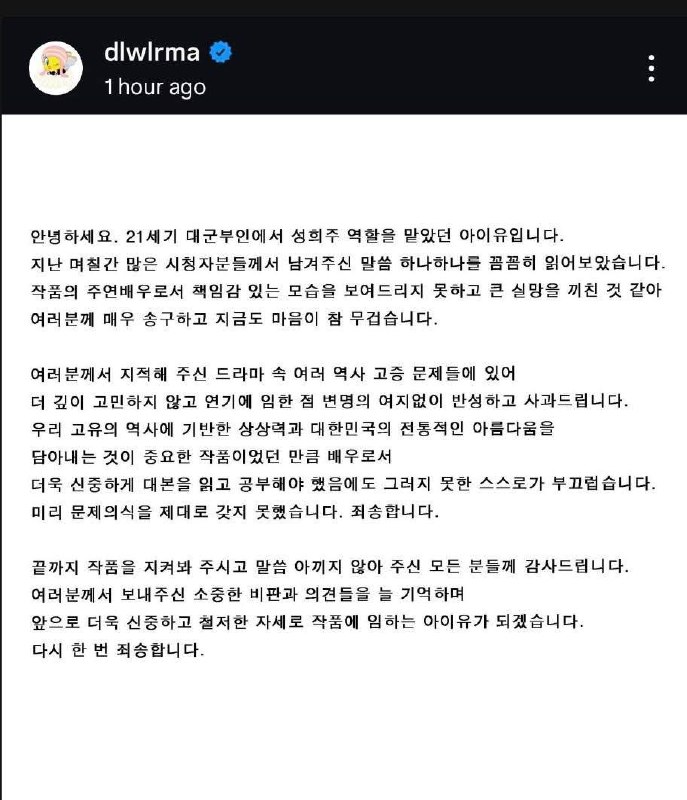
IU, who portrayed Seong Hee Joo, shared a heartfelt message on her personal Instagram account. In her statement, she expressed deep regret over failing to approach her role with the necessary responsibility and sensitivity, acknowledging the disappointment she caused among viewers. She admitted that she did not fully consider the historical discrepancies highlighted by critics and apologized for participating in a project without giving due attention to these issues. IU emphasized that the series, while a work of imaginative fiction, drew upon Korea’s historical and cultural heritage, and that she should have studied the script more diligently. She thanked her audience for following the show and providing candid feedback, promising to take their criticisms to heart and approach future projects with greater care and conscientiousness.
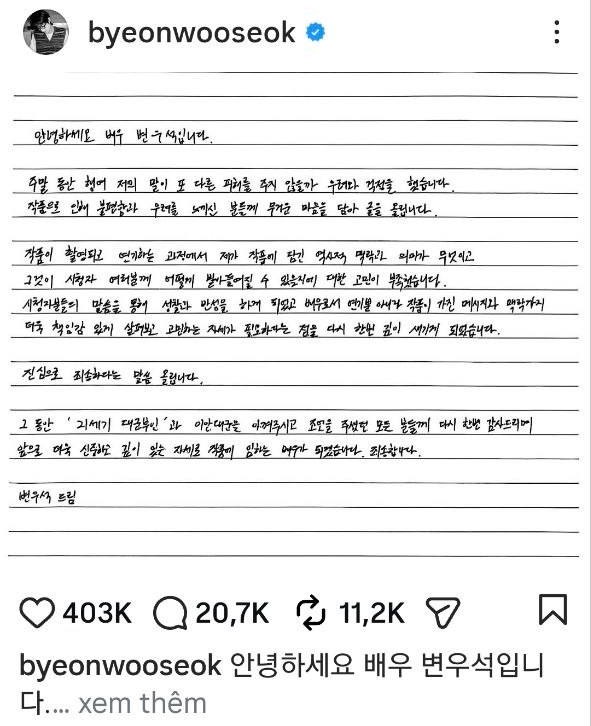
Simultaneously, Byeon Woo Seok, who played the role of Grand Prince Lee Ahn, issued a handwritten apology on his personal platform. He described his anxiety over potentially causing further harm and disappointment with his actions and words. Byeon reflected on his shortcomings in understanding the historical context and significance behind his character, acknowledging that he fell short in delivering the narrative responsibly. He expressed a commitment to learning from the feedback, pledging to adopt a more conscientious approach in his future roles and to better respect the historical and cultural weight embedded in his work.
The backlash was fueled by multiple errors in the show that touched upon national pride. Despite being set in a fictional constitutional monarchy of the 21st century, Perfect Crown faced sharp criticism from historians and viewers alike for its factual inaccuracies. A particularly controversial scene involved the coronation of Lee Ahn. During this event, the court officials were shown shouting “cheonse” instead of the historically correct “manse.” In Korean tradition, “Cheonse” was a term used by vassal states, while “Manse” was reserved for the sovereign ruler, and this misrepresentation was perceived as diminishing the nation’s independence. Further scrutiny revealed that the king’s crown in the scene contained nine jewels instead of twelve, again a symbolic misstep that referenced a subordinate ruler rather than a fully sovereign monarch.
Additional points of contention arose in scenes involving Seong Hee Joo and the empress dowager. The tea ceremony performed by Hee Joo was modeled after Chinese customs rather than traditional Korean royal rituals. Critics highlighted the use of a Chinese teapot valued at approximately 126 yuan and a Jinhao fountain pen priced at roughly 10,000 won, calling attention to the seemingly careless selection of props that undermined the authenticity of the royal setting. Moreover, the plot’s treatment of the hierarchy, such as having the empress kneel to apologize to the grand prince, sparked widespread disapproval, with thousands of complaints submitted to the Korea Communications Standards Commission, citing violations of national dignity and cultural respect as outlined in Article 25 of broadcasting regulations.
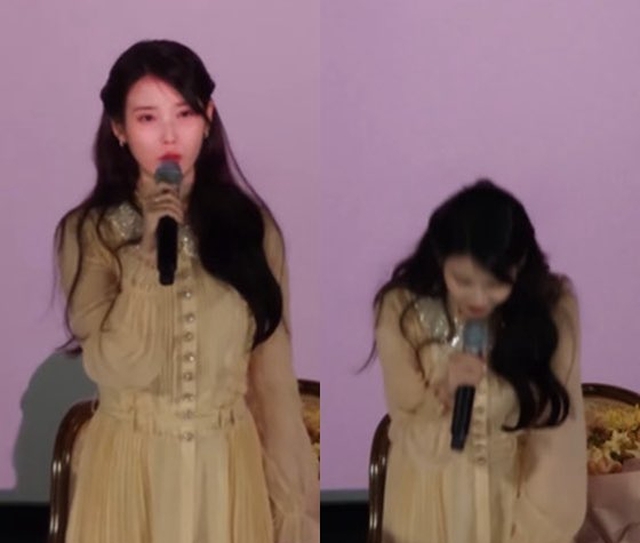
Prior to the actors’ public statements, IU had also addressed fans during a private screening of the final episode on May 16, which she arranged at her own expense. At this event, she expressed regret and acknowledged her missteps, highlighting her willingness to listen to criticism and accept responsibility. She made it clear that the feedback from viewers was valid and necessary for her personal growth, though these gestures were not sufficient to fully appease public sentiment.
In response to the uproar, the production company behind Perfect Crown announced efforts to correct the errors. They committed to revising the audio and subtitles across streaming platforms and provided updated script materials for print editions, including sticker labels for viewers to correct inaccuracies themselves. Refunds were also offered to dissatisfied audiences. This incident serves as a poignant reminder to the South Korean entertainment industry that even in works of fiction, elements derived from historical and cultural heritage require meticulous research and respect from both the cast and production teams.
Ultimately, the Perfect Crown controversy underscores the delicate balance between creative imagination and cultural fidelity. While the series achieved impressive ratings, it also became a cautionary tale about the importance of honoring national history and traditions in storytelling. Both IU and Byeon Woo Seok’s apologies, alongside the production company’s corrective measures, illustrate the weight of public accountability and the challenges faced by artists in navigating historical representation within contemporary media.