If you think being part of the biggest band on the planet means being treated like royalty, think again. Even giants can be shaken by their own success — and right now that truth is playing out in spectacular fashion around Jung Kook, the Golden Maknae of BTS. For months, fans have been scratching their heads in frustration at a stunning lack of promotional activity from his agency, Big Hit Music — and the silence isn’t just awkward, it’s sparked a firestorm online. Now, the chatter isn’t just about a missed post — it’s about what HYBE might really be scared of.
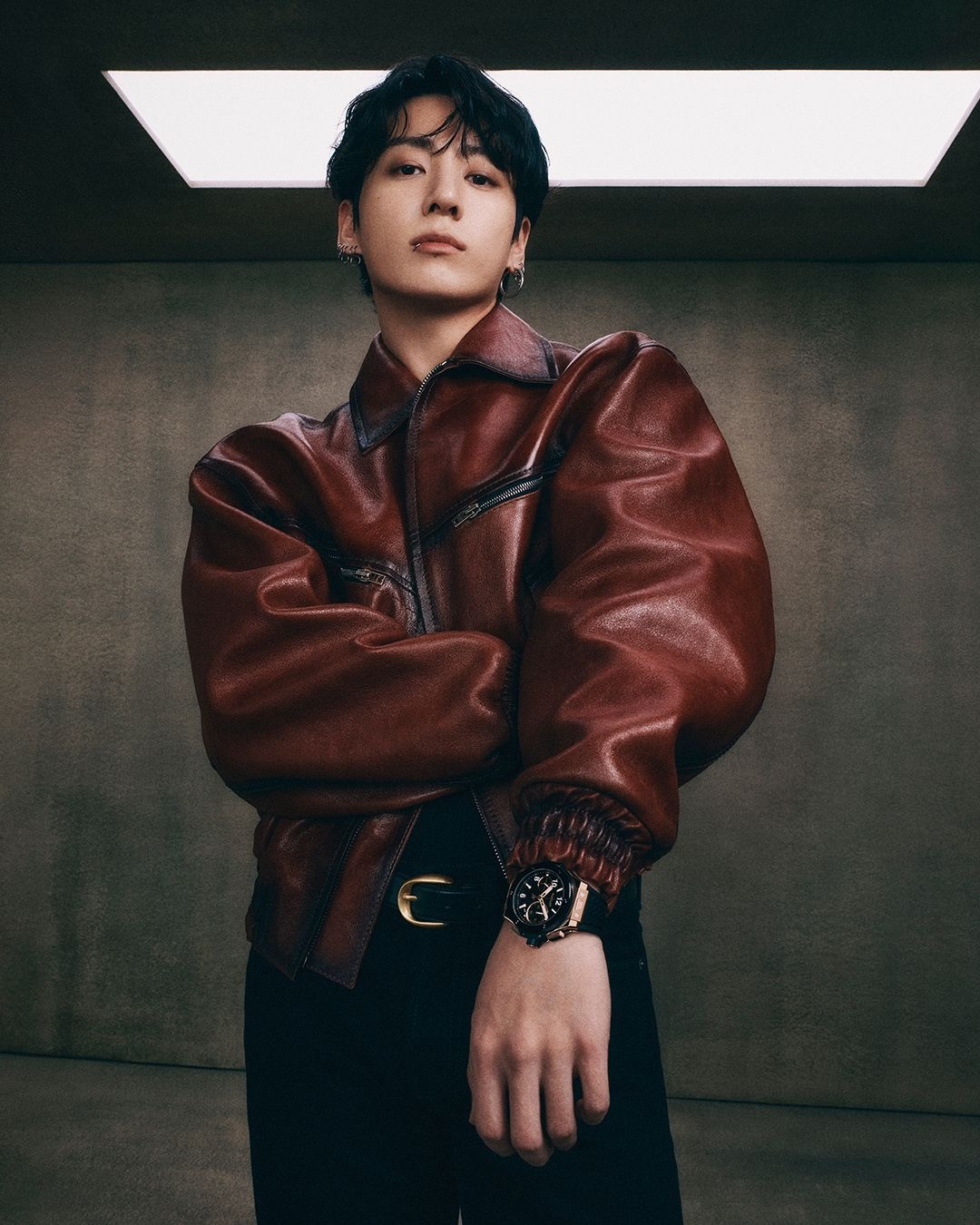
It began with something simple: a Vogue Magazine video featuring Jungkook that dropped online quietly, almost invisibly. There was no fanfare, no official social media blasts from Big Hit’s massive channels, just a link that trickled out into the internet without any fanfare. Many ARMYs didn’t even realise it was released until other fans started sharing it around — or until it popped into their TikTok and Instagram feeds.
That strangely muted rollout unleashed a deluge of complaints from devotees who expected much more from an artist of his profile. After all, this is the guy who smashed global streaming records long before his military service ended, whose music has arguably done more to open the world to K‑pop than most artists on the planet. And yet — crickets from the official channels.
On Twitter and Reddit, ARMYs didn’t hold back. Many laid the blame squarely at Big Hit’s feet, saying the agency’s lacklustre promo was insulting and baffling. Some accused HYBE of not posting member‑related brand deals or solo highlights with the same commitment they once gave BTS group content — especially given Jungkook’s market value and reach.
But — and this is where things get spicy — not everyone agrees that Big Hit is drop‑kicking its biggest star. A sizeable portion of fans have pushed back, saying that label promotion has never been as aggressive on individual member deals compared to BTS group launches. In other words, they argue this isn’t a “mistake” as much as a long‑established pattern: HYBE historically bundles BTS content under a unified umbrella, and solo or personal brand projects have always sat quietly in the background.
That debate illustrates a deeper divide inside the fandom — a schism between those who want traditional, loud, hyper‑targeted promotion, and those who are willing to accept a softer approach as the norm. But while fans argue, industry watchers are whispering about a bigger reason HYBE may be hesitating to throw its full promotional might behind Jungkook — something far less simple than social posts and reels.
Here’s the gist of the industry theory: Jungkook’s influence has grown so explosively, so globally, that HYBE might actually be wary of what could happen if it unleashes him at full throttle. This isn’t about fear of failure — it’s fear of uncontrollable power.
Jungkook has become more than a K‑pop idol; he’s a cultural phenomenon with a reach that stretches well beyond music charts. From record‑breaking streams to headline‑grabbing media attention and hundreds of millions of followers across platforms, he has a magnetic pull that lures eyeballs and dollar signs alike. In some quarters of the company, insiders whisper, that’s precisely the problem. A superstar with too much visibility — someone who could eclipse even the BTS brand itself — might upset HYBE’s carefully constructed balance of power across its roster and financial interests.
Yes, you read that right: sources close to the buzz say the worry isn’t that Jungkook can’t be promoted — it’s that if he is fully let loose by HYBE, his personal brand could become so dominant that it might outgrow the company’s ability to direct or control it. In the ultra‑calculating world of entertainment business strategy, that’s not a trivial fear. When an artist’s pull becomes too strong, it can shift leverage — from the label to the artist — and that can make executives uncomfortable.

Some fans see this as corporate conservatism at its worst. They argue that HYBE should be leveraging Jungkook’s fame to its maximum — why hold back? But others think there’s method in the madness. If the company were to parlay his individual brand into a solo megaphone that drowns out other artists under its wing, it could upset relationships, revenue streams, and even the group’s delicate legacy as a seven‑man constellation. Essentially, they say, HYBE might be playing it safe, not shy.
And online, ARMYs are split down the middle. One side is downright furious — accusing the label of Robbing Jungkook of his spotlight, of missing opportunities to solidify his status as a global solo titan. The other side is oddly calm, even supportive of HYBE’s caution, arguing the company has decades of experience steering careers and might have a strategy that fans simply don’t see yet.
Add in the fact that Jungkook himself has been at the center of unfiltered livestream moments and candid public appearances that sparked their own waves of commentary, and you end up with a picture of an artist whose every move now feels gigantic — whether or not his label tweets about it.
At the end of the day, the silence around a single Vogue video reveals something bigger than optics. It exposes the tension between corporate strategy and fan expectations, between artistic influence and market control, and between a management company’s caution and the boundless passion of one of the world’s most dedicated fandoms.
In an era where one post can spark global headlines, the question isn’t just whether HYBE should promote Jungkook more — it’s whether anyone, even a label as powerful as HYBE, can ever fully harness something as unpredictable as global superstardom.