Actor Jonathan Roumie has spoken openly about the intense physical, emotional, and spiritual impact of filming the crucifixion sequence for Season 6 of the faith-based series The Chosen. According to his account shared at ChosenCon in Charlotte, North Carolina, the experience of portraying the final hours of Christ’s life became one of the most demanding periods of his entire career, affecting him in ways he did not anticipate and leaving a lasting impression on both his faith and personal well-being.
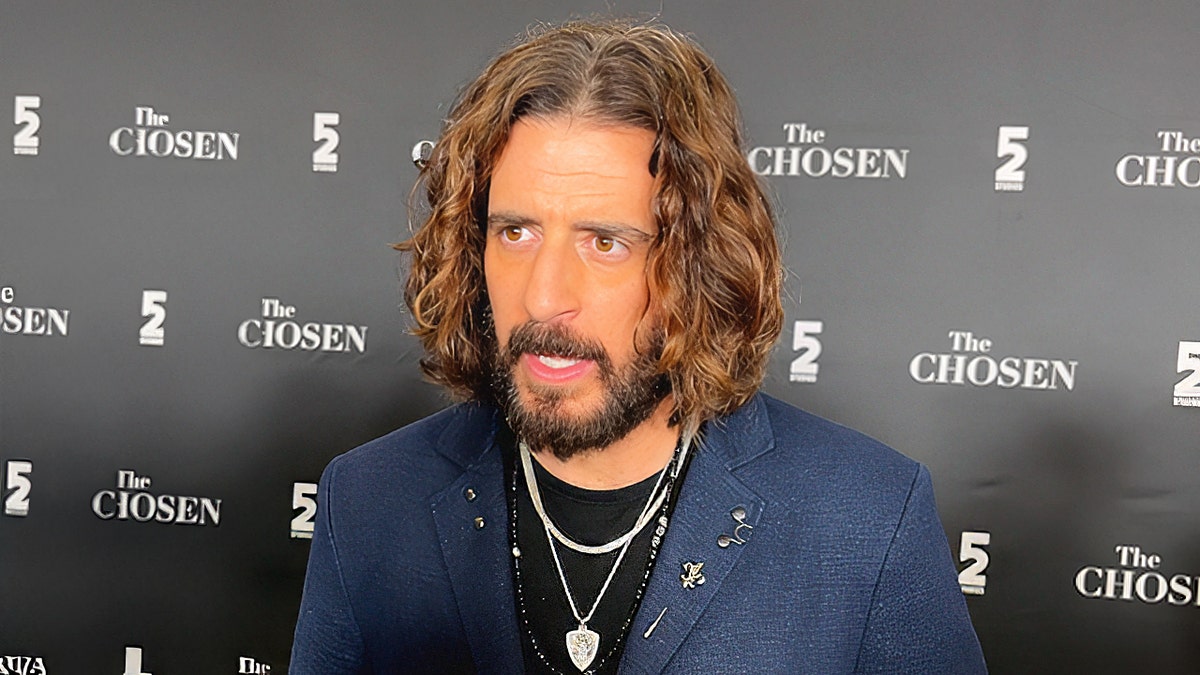
Roumie described the experience as unlike anything he had ever faced before, both as an actor and as a human being. He emphasized that the production of the crucifixion scenes was not only physically exhausting but also emotionally and spiritually heavy. While discussing the role with media outlet Fox News Digital, he explained that stepping into the role of Jesus during the Passion narrative required him to confront deep levels of suffering in a way that felt personally consuming.
During filming, Roumie said he encountered several injuries that added to the difficulty of the experience. On the very first day of shooting related scenes, he suffered a painful shoulder injury after a fall on set. He later reflected on the incident with a sense of irony, noting that the injured shoulder would eventually be used in scenes involving the carrying of the cross. In another separate incident, he sustained a head injury that resulted in lingering cervical issues that affected him for months afterward. These physical setbacks compounded the emotional strain of portraying the crucifixion, making the process even more grueling than expected.
Beyond the physical toll, Roumie described a significant emotional and spiritual burden that came with the role. As a devout Catholic, he approached the portrayal of Christ’s suffering with a deep sense of reverence and responsibility. He shared that he spent considerable time in prayer, asking for guidance in how to authentically represent the emotional and spiritual reality of Jesus’ final moments. At one point, he even prayed to experience a small fraction of what Christ endured, believing that such understanding might help him bring greater authenticity and meaning to the performance.
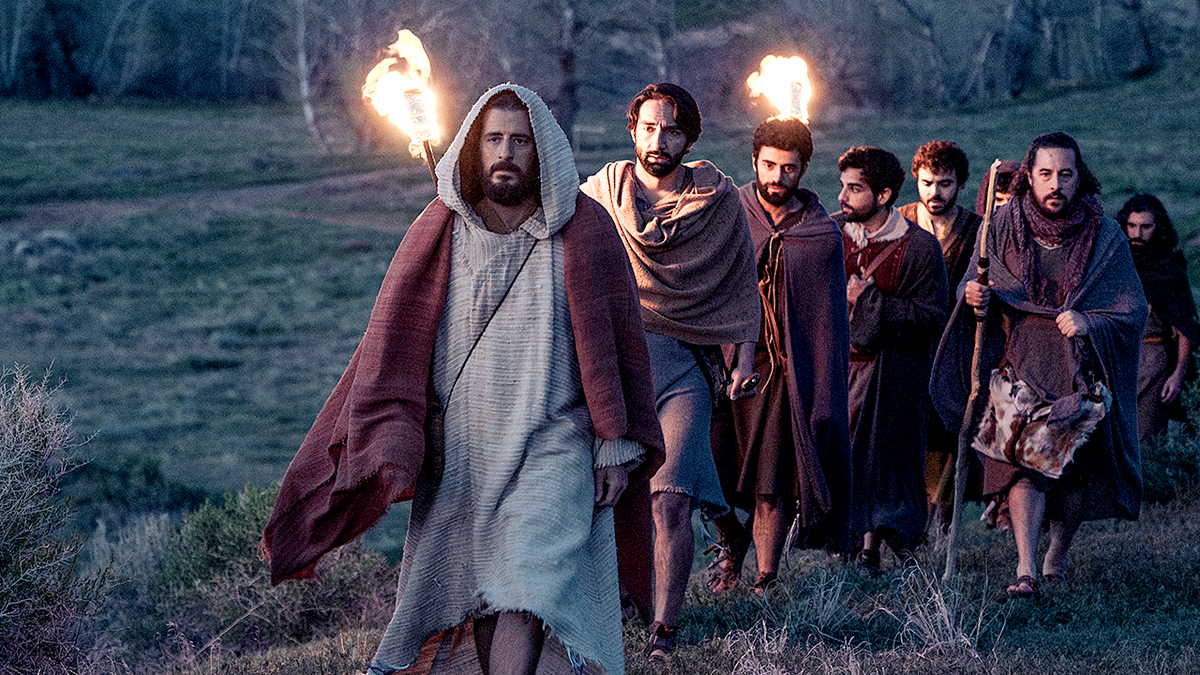
This approach, however, came with consequences that extended beyond the set. Roumie explained that he attempted to “offer up” his suffering during filming, viewing his physical and emotional pain as something that could be spiritually meaningful or transformative for others. He described this mindset as bringing his suffering to what he called an “altar of sacrifice,” with the intention that it might serve a higher purpose. While this perspective gave him strength to continue, he also acknowledged that the intensity of the experience left a lasting mark on him.
Members of the cast and crew also felt the weight of filming these scenes. Roumie noted that the entire production team developed a kind of shared emotional bond through the process, as they collectively worked through highly intense and emotionally charged material. He described this bond in strong terms, suggesting that the experience resembled trauma bonding due to the depth of emotional exposure required during the crucifixion sequences. At times, he even compared the lingering emotional impact of the filming to symptoms similar to post-traumatic stress, indicating that its effects continued long after the cameras stopped rolling.
Despite the heaviness of the subject matter, Roumie maintained that his purpose in portraying Jesus was ultimately rooted in hope and spiritual meaning. He expressed a desire for audiences to see Christ not as distant or detached, but as deeply compassionate, loving, and personally invested in humanity. He emphasized that his portrayal aimed to communicate that Jesus experienced suffering on behalf of others and that his message is fundamentally rooted in love, mercy, and forgiveness rather than judgment or emotional distance.
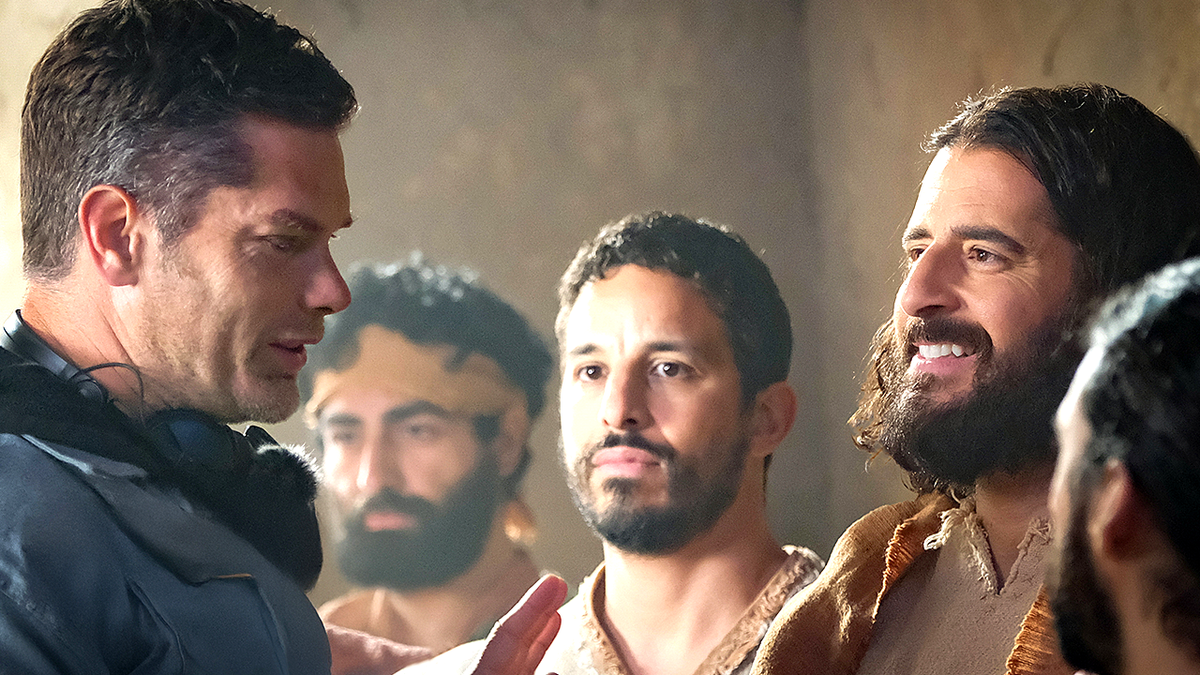
Roumie also reflected on how the role became deeply intertwined with his own life experiences. Before being cast in The Chosen, he had gone through a difficult personal period that he described as a “rock bottom” moment. At that time, he was struggling financially, facing unemployment, and experiencing instability in his personal life. He recounted a moment of surrender during this period, explaining that he prayed and relinquished control over his circumstances, asking for guidance and provision without trying to force outcomes on his own.
According to his account, this moment of surrender marked a turning point in his life. Shortly afterward, his circumstances began to change, and within a few months he was cast in the role of Jesus Christ in The Chosen, a role that would eventually bring him global recognition and a wide audience reach. He has stated that this transition reinforced his belief that letting go of control and trusting in a greater plan fundamentally reshaped his life trajectory.
Even now, after filming some of the most emotionally intense scenes of the series, Roumie has said that the experience continues to influence his mindset and spiritual outlook. He believes that the emotional and spiritual weight of portraying the crucifixion will carry into how he observes and experiences future religious observances, particularly Holy Week. He has suggested that this upcoming period feels different for him than in previous years because of the depth of immersion he experienced while filming.
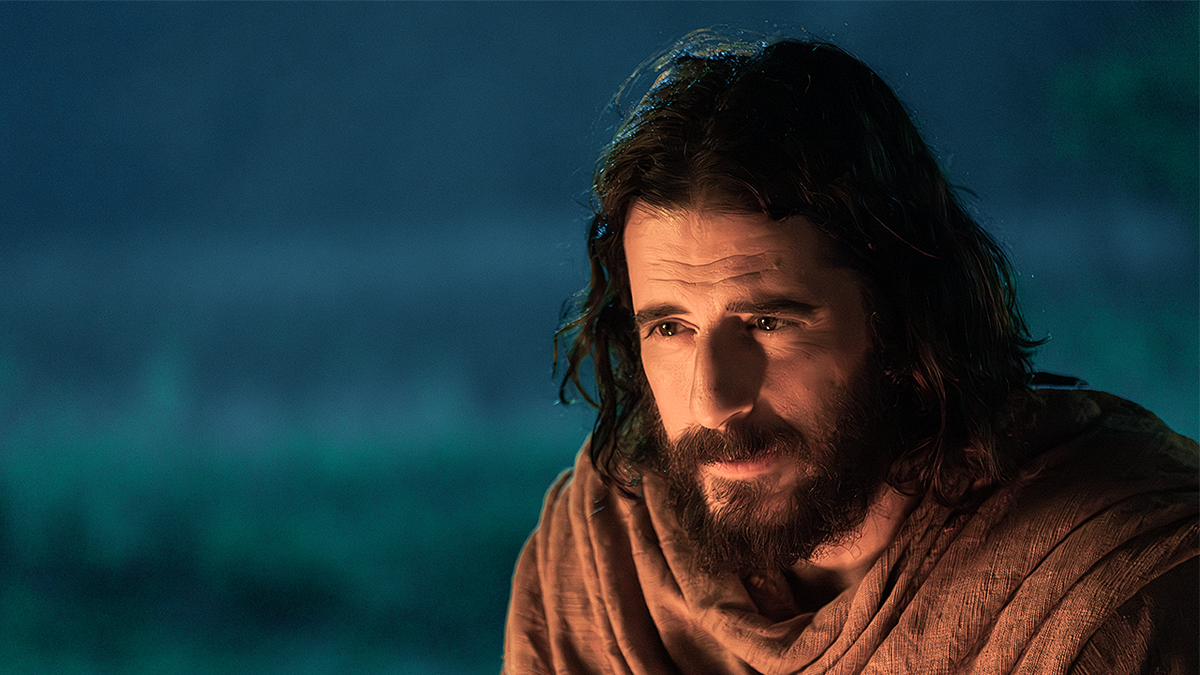
Ultimately, despite the physical injuries, emotional strain, and psychological intensity associated with the role, Roumie has emphasized that his goal remains centered on conveying a message of compassion and spiritual connection. He hopes that viewers of The Chosen will come away with a deeper understanding of the character he portrays and a sense that the message of Christ is rooted in love, accessibility, and a desire for connection with humanity.