HYBE Chairman Bang Si-hyuk is currently embroiled in a significant legal crisis as South Korean authorities have officially requested an arrest warrant against him on charges of transaction fraud and violations of the Capital Markets Act. After over a year of internal investigations and five intensive interrogation sessions, the case has now reached the final stage of legal review, despite Bang’s continued and firm denials of the allegations. Amidst this mounting pressure, however, a surprising “lifeline” has unexpectedly emerged, being viewed by some as the last possible chance for the powerful chairman’s salvation.

A practicing lawyer recently shared insights into the potential outcomes of the arrest warrant application for Bang Si-hyuk. On the 22nd of April, lawyer Moon Yu-jin from PanSim Law Firm discussed the matter via his YouTube channel, addressing the legal implications surrounding the possibility of Bang’s arrest. According to Moon, one of the main reasons why the arrest warrant could be granted is the severity of the crime. The amount of money involved is substantial, with an alarming 190 billion won at stake. Moon emphasized, “Violations of the Capital Markets Act are crimes that shake the very foundation of the market economy, so courts view them with utmost seriousness.” He further pointed out that even when illicit gains exceed 5 billion won, a minimum prison sentence of five years is mandated by law. Therefore, if Bang is found guilty of fraud involving 190 billion won, the sentence is expected to be particularly harsh. The more serious the crime and the higher the anticipated sentence, the more likely it is that a judge would consider an arrest necessary.
Another reason for the potential arrest, according to Moon, is the risk of evidence destruction. Bang Si-hyuk holds a position of immense power as the chairman of HYBE, a massive entertainment empire. If the investigation and trial were to proceed without him being in custody, Moon explained, there is a risk that Bang might use his influence to destroy key internal documents or apply pressure on company employees and staff involved in the case to provide favorable testimonies. As such, the police are expected to strongly argue this point when appealing to the prosecutors and judges.
However, Moon also recognized that the defense team for Bang Si-hyuk is unlikely to make the process easy. A significant factor in the rejection of the arrest warrant could be the absence of a flight risk. Bang is a globally recognized figure, and his face is well-known worldwide, making it almost impossible for him to flee the country unnoticed. In an interesting twist, the U.S. Embassy in Korea recently made an official request for Bang Si-hyuk to be allowed to depart for a U.S. event. Moon pointed out that this request, ironically, serves as proof of Bang’s status as an influential figure who must conduct international business and attend important events.

Additionally, Moon highlighted the prolonged nature of the investigation. The police began their internal investigation over a year ago, and the search and seizure operations at HYBE and the Korea Exchange were completed last summer. Over the course of the investigation, Bang has been summoned no fewer than five times. From the perspective of the prosecutor and the judge, Moon argued, they may question whether there is still any evidence left to destroy, considering that the investigation has been ongoing for more than a year and most of the evidence has likely been gathered. The application for an arrest warrant five months after the last summons also suggests that the police’s momentum in the case has slowed down, potentially leaving room for significant legal disputes.
The allegations against Bang Si-hyuk stem from a report filed in July of the previous year, accusing him and several former HYBE executives of violating the Capital Markets Act. Bang is accused of deceiving investors prior to HYBE’s listing on the stock market in 2019 by claiming that there were no plans for an initial public offering (IPO), only to later sell HYBE shares to a special purpose corporation (SPC) formed by a private equity fund (PEF) set up by former HYBE executives. Furthermore, Bang is under suspicion of deceiving existing shareholders by entering into a shareholder agreement with the PEF, which entitled him to approximately 30% of the PEF’s proceeds from the sale of shares after the IPO. Many of these investors were institutional investors, including the National Pension Service, which reportedly invested in HYBE. It is estimated that Bang secured a total of 120 billion won from the sale, and when combined with funds raised from other investors, the total amount exceeds 190 billion won.
As a result of these allegations, the police applied for an arrest warrant for Bang Si-hyuk on the 21st of April. Additionally, a travel ban was imposed on Bang in August of 2025, and a total of five investigations have been conducted so far. Bang’s legal team maintains that the company followed all relevant laws and regulations during the listing process and that there are no legal issues in question. Currently, the case is under legal review, and a final conclusion is expected soon.
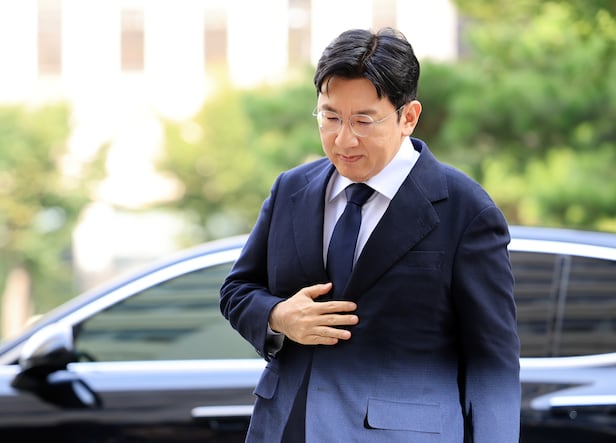
Amidst the escalating tension surrounding the case, the U.S. Embassy in Korea has added another layer of complexity to the situation by requesting that the travel ban on Bang Si-hyuk be lifted. According to reports, the reason for the request is that Bang is scheduled to attend the U.S. 250th Independence Day celebration on July 4th and to support BTS’s concerts in the U.S. as part of their world tour. The police, in response, stated that they had not yet received any official request from the U.S. Embassy regarding the travel ban. However, they added that they would review the request’s validity and act in accordance with the law if it were to be received.
The involvement of the U.S. Embassy in this case is highly unusual, particularly given that it concerns a travel ban placed on a foreign national. The embassy’s intervention has raised questions about whether this represents a form of “K-pop diplomacy” or is simply a strategic move to ensure that Bang Si-hyuk can fulfill his obligations related to BTS’s international activities. The U.S. Embassy’s actions are likely driven by economic and cultural considerations, as BTS is not only a global music sensation but also a major economic force, and any disruption to their tour could result in substantial financial losses for American partners, such as concert organizers and venues.
In this context, the U.S. Embassy may be using its diplomatic influence to help facilitate Bang’s travel, ensuring that he can attend important events and continue his role in supporting BTS’s activities. They may argue that his presence is crucial to the success of BTS’s international engagements, especially considering that these events serve as key points of cultural and economic exchange between the two countries. Furthermore, if Bang is invited to attend the U.S. Independence Day celebration as a guest of honor, this could be seen as a form of diplomatic recognition, underscoring the importance of his contributions to the cultural ties between the U.S. and South Korea.
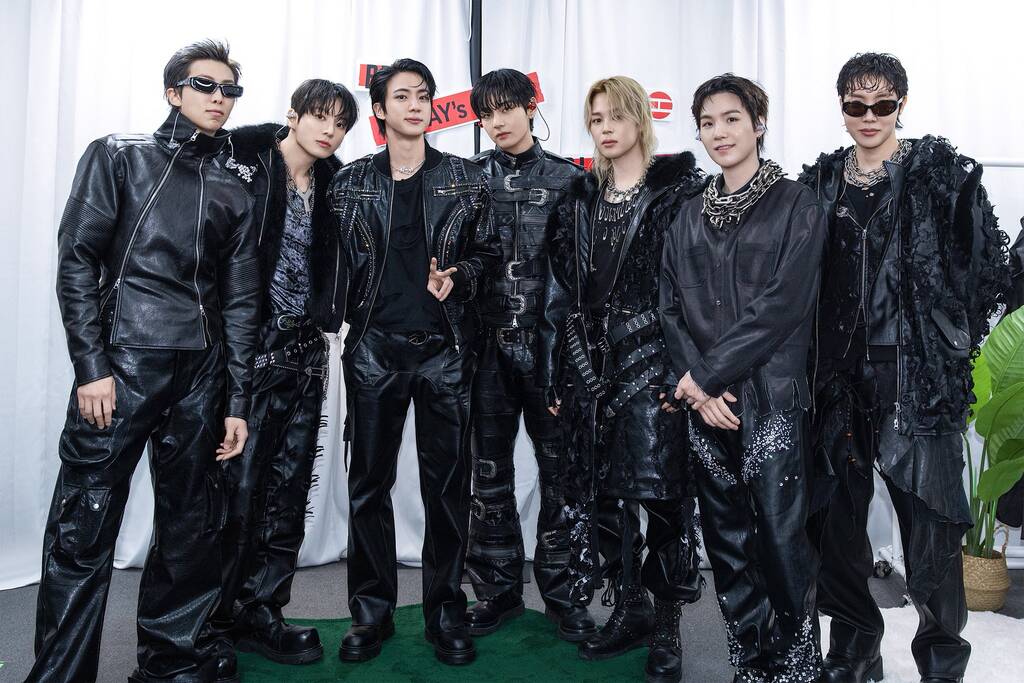
Despite the potential diplomatic implications of the U.S. Embassy’s request, the situation remains a delicate one. The police and courts will ultimately need to balance the legal considerations of the case with the potential economic and cultural ramifications. While it remains unclear how this will unfold, it is evident that the intersection of legal, economic, and diplomatic forces will play a pivotal role in determining the outcome of Bang Si-hyuk’s case.